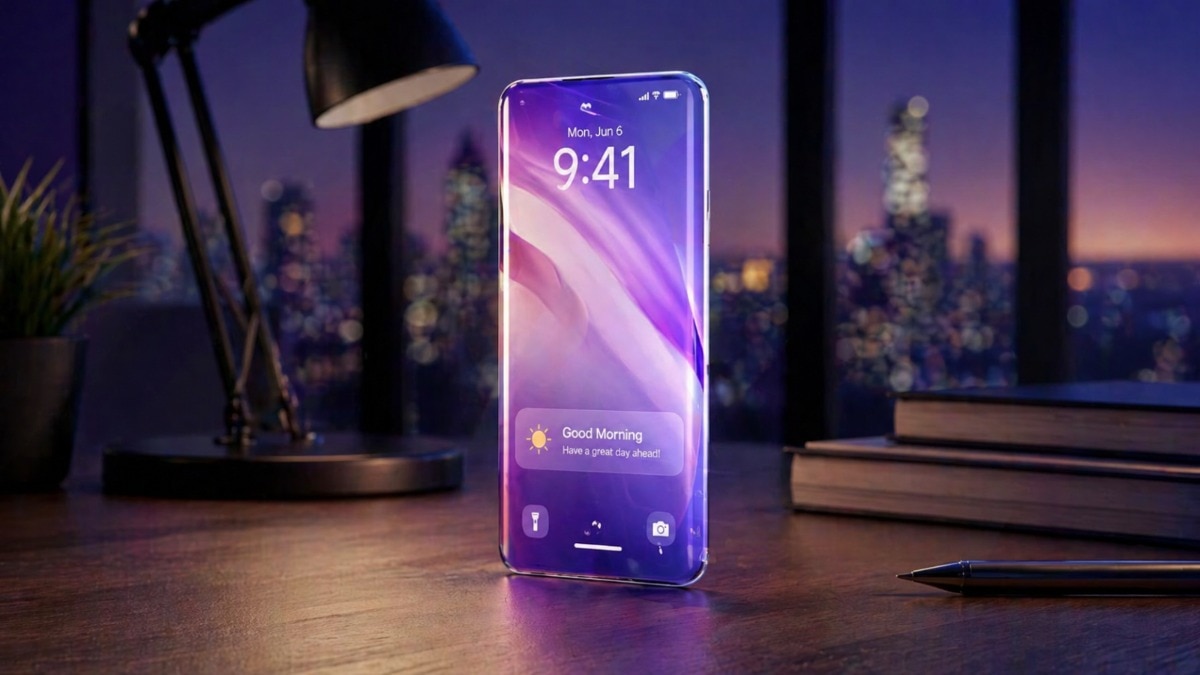
Apple is reportedly developing a 2027 20th-anniversary iPhone with a custom micro-curved OLED display from Samsung, aiming for a thinner, brighter, near bezel-free design. The device may also feature under-display Face ID and possibly an under-display front camera, though reports conflict on the exact configuration. Launch is expected in fall 2027, with only limited detail on whether the changes will apply to the full lineup or just premium models.
This is less about near-term handset demand and more about Apple telegraphing a multi-year design reset that would raise the cost and complexity of catching up. A true near-bezel, under-display architecture would shift the competitive battleground from incremental camera/battery specs to industrial design and display stack integration, where Apple’s willingness to pay for bespoke components can pull margin-rich share toward its ecosystem and away from Android flagships.
The second-order winner is the display and materials supply chain, but only for vendors that can meet Apple’s yield and thickness constraints. If Apple pushes Samsung Display into a custom micro-curved OLED program, that likely pulls forward capex, process tuning, and packaging spend across the panel ecosystem; the flip side is that component ASPs could rise even if unit growth remains flat. The real risk is that complexity increases defect rates and launch slippage, which would compress supplier margins before any volume upside materializes.
Consensus may be underestimating how far out this is and how optional it is. For the stock, the announcement trail can support multiple expansion well before revenue shows up, but the market should discount execution risk heavily because under-display Face ID/camera integration tends to move on a technology curve, not a product calendar. If Apple misses the aesthetic promise in 2027, disappointment could reverse some of the halo around the cycle quickly, especially if the handset upgrade remains more cosmetic than functional.
Near term, the catalyst is not 2027 hardware itself but supplier ordering signals over the next 6-12 months: any confirmed custom panel tooling, yield milestones, or supplier exclusivity would be more actionable than design leaks. Absent that, this remains a long-duration optionality story with limited immediate revenue sensitivity for AAPL, but meaningful relative-value implications across display names and premium Android competitors.
AI-powered research, real-time alerts, and portfolio analytics for institutional investors.
Request DemoOverall Sentiment
neutral
Sentiment Score
0.10
Ticker Sentiment
