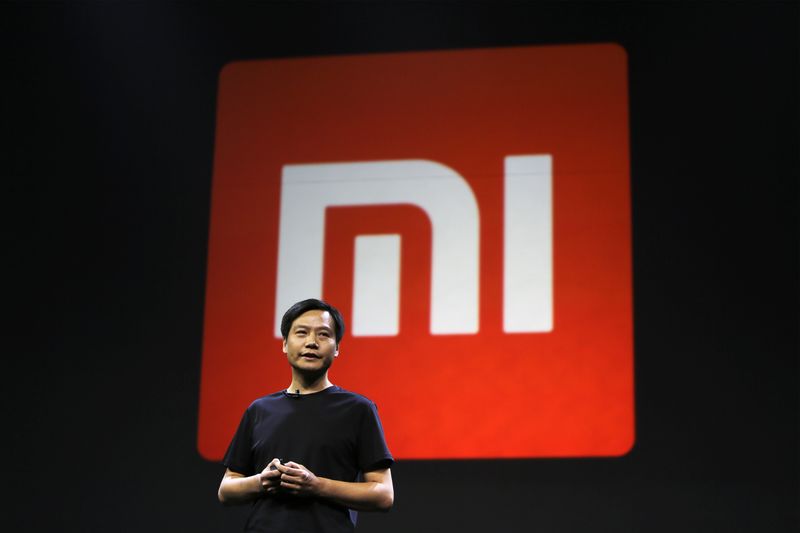
Xiaomi's first-quarter profit slumped 43% to 6.1 billion yuan ($899 million), driven by higher memory chip costs in its smartphone business and tougher domestic competition from Apple and Huawei. Shares fell nearly 3% to HK$28.88, their lowest in nearly a month, despite strong EV sales and continued investment in AI and overseas expansion. The company warned that memory cost relief remains limited due to strong AI-related demand.
This is not just a Xiaomi-specific margin reset; it is a read-through on the AI hardware bill of materials. Memory is becoming a tax on every device maker trying to maintain spec leadership, which means the winners are increasingly upstream suppliers with pricing power and downstream brands with scale procurement discipline. In that setup, Apple is less exposed on unit mix than smaller Android OEMs because its gross margin buffer and supply chain leverage let it absorb input inflation longer without forcing visible ASP increases. The more important second-order effect is that higher component costs can suppress replacement demand exactly when consumer electronics need an upgrade cycle. If memory remains tight because AI datacenter demand is soaking up supply, handset OEMs face a months-long margin squeeze that either flows into lower marketing spend or weaker subsidy support from carriers and channel partners. That tends to reinforce share concentration: premium ecosystems hold share while mid-tier Android vendors get trapped between cost inflation and price resistance. For EVs, Xiaomi's strong traction matters less as an absolute positive and more as a capital-allocation signal. Heavy EV investment in a business with narrowing core-device margins creates execution risk if the company has to fund growth from a deteriorating cash engine; that usually shows up later as slower product cadence or less aggressive pricing, not an immediate blowup. The market may still be underestimating how quickly AI-related component inflation can crowd out consumer hardware capex across the sector. The contrarian view is that this may be a temporary earnings air-pocket rather than a secular deterioration. If memory supply normalizes or smartphone OEMs push through modest price increases into a holiday refresh cycle, the margin pressure can unwind quickly, especially for the largest platforms. But near-term, the path of least resistance is lower for names with weak pricing power and higher fixed investment intensity.
AI-powered research, real-time alerts, and portfolio analytics for institutional investors.
Request DemoOverall Sentiment
moderately negative
Sentiment Score
-0.45
Ticker Sentiment
