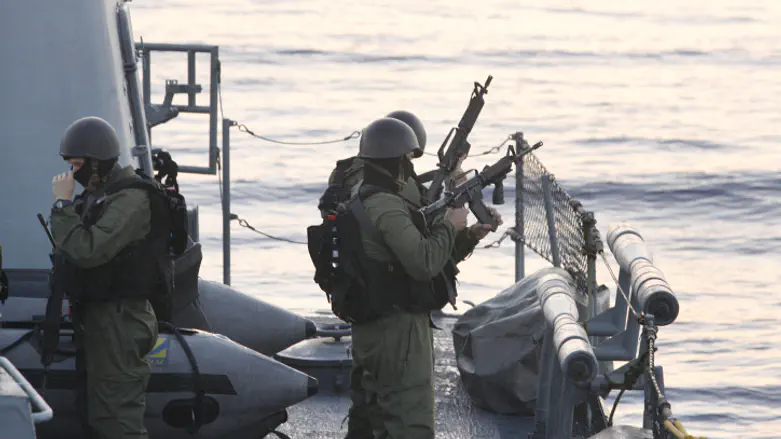
Israel is preparing to intercept 57 vessels carrying hundreds of activists bound for Gaza, with the IDF expected to use Shayetet 13 and naval forces to enforce the blockade. Authorities are reportedly readying a floating detention cell for arrests if the flotilla refuses warnings, raising the risk of a violent confrontation. The situation heightens geopolitical tension between Israel and Turkey and could trigger broader regional risk-off sentiment.
This is a near-term geopolitical volatility event, not a durable macro shock, but the market impact comes from escalation risk in a very tight decision window. The highest-probability outcome is a contained interception with limited follow-through; the tail is an image-driven incident that forces a wider Turkey-Israel diplomatic rupture, which would matter more for regional risk premia than for direct asset damage. In that sense, the first-order effect is headline risk, while the second-order effect is a temporary repricing of anything with Turkey exposure, Levant shipping routes, and defense readiness assumptions.
The most interesting second-order read-through is to logistics and insurance rather than outright freight volumes. Even if no route closure occurs, war-risk premia can widen on East Med and nearby transshipment lanes for days to weeks, especially if social-media footage amplifies perceptions of naval confrontation. That tends to favor marine insurers, security contractors, and defense primes with ISR/naval systems exposure, while pressuring Turkish cyclicals and any names that rely on stable regional tourism or cargo routing sentiment.
The contrarian angle is that the market may overestimate duration and underestimate the political asymmetry: both sides have incentives to avoid a prolonged incident, so any selloff in regional risk proxies could mean-revert quickly if the boarding is clean and casualties are avoided. The real catalyst to watch is not the interception itself but the post-event narrative; if activists are visibly detained without violence, the event likely fades within 24-72 hours. If there are injuries or a vessel is disabled in a way that triggers Ankara retaliation, the repricing could extend into weeks and spill into broader EM risk appetite.
AI-powered research, real-time alerts, and portfolio analytics for institutional investors.
Request DemoOverall Sentiment
mildly negative
Sentiment Score
-0.35
