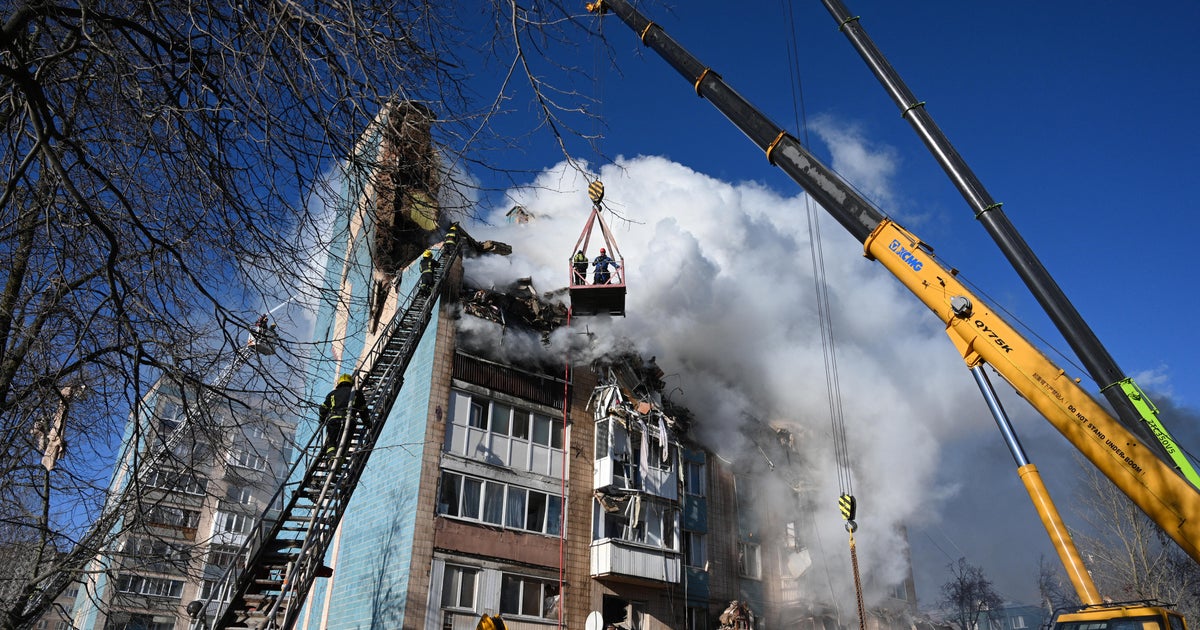
Russia launched a massive overnight assault—President Zelenskyy said 476 drones and 48 cruise and ballistic missiles—killing at least 25 people (including two children) and striking targets from the eastern front around Kharkiv to far-west cities such as Lviv and Ternopil, where two high-rise apartment blocks and energy facilities were hit, causing power outages as temperatures plunge. Ukraine reported six to seven missiles and nearly three dozen drones penetrated air defenses, highlighting vulnerabilities in infrastructure and defense ahead of winter. Zelenskyy, in Turkey to press for increased diplomatic isolation of Russia, said he would seek Erdogan's help and noted signals from the U.S.; U.S. oil sanctions aimed at pressuring Moscow are due to take effect Friday and a U.S. delegation including Army Secretary Dan Driscoll is in Kyiv trying to revive peace talks, while the Kremlin says Putin has no immediate plans to engage.
A massive overnight Russian aerial assault—Ukrainian President Volodymyr Zelenskyy said 476 drones and 48 cruise and ballistic missiles were launched—killed at least 25 people, including two children, and struck targets from the eastern front near Kharkiv to far-west cities Lviv and Ternopil. Ukraine reported six to seven missiles and nearly three dozen drones penetrated air defenses, and two high-rise apartment blocks plus energy facilities in Ternopil were hit, producing regional power outages as temperatures fall. These strikes expose persistent gaps in air defence and critical-infrastructure resilience ahead of winter, elevating humanitarian and operational risk where loss of heat and power becomes life-threatening.
Diplomatically, Zelenskyy’s visit to Turkey seeks to leverage Ankara’s channels with Moscow while the U.S. prepares new oil sanctions due to take effect Friday and a U.S. delegation including Army Secretary Dan Driscoll is engaging to revive talks. The Kremlin said Putin has no immediate plans to engage, creating an asymmetric probability of escalation versus rapid de-escalation. Market signals classify the event as strongly negative with a risk-off tone and a market-impact score of 0.6, highlighting potential near-term volatility in energy, defense, and European assets.
Investors should expect heightened price sensitivity to sanctions implementation and winter energy supply news; infrastructure damage and demonstrated drone/missile effectiveness could accelerate Western defense assistance and spending, supporting selective defense suppliers while increasing downside risk for regional equities and utilities dependent on stable power and gas flows.
AI-powered research, real-time alerts, and portfolio analytics for institutional investors.
Request DemoOverall Sentiment
strongly negative
Sentiment Score
-0.70
