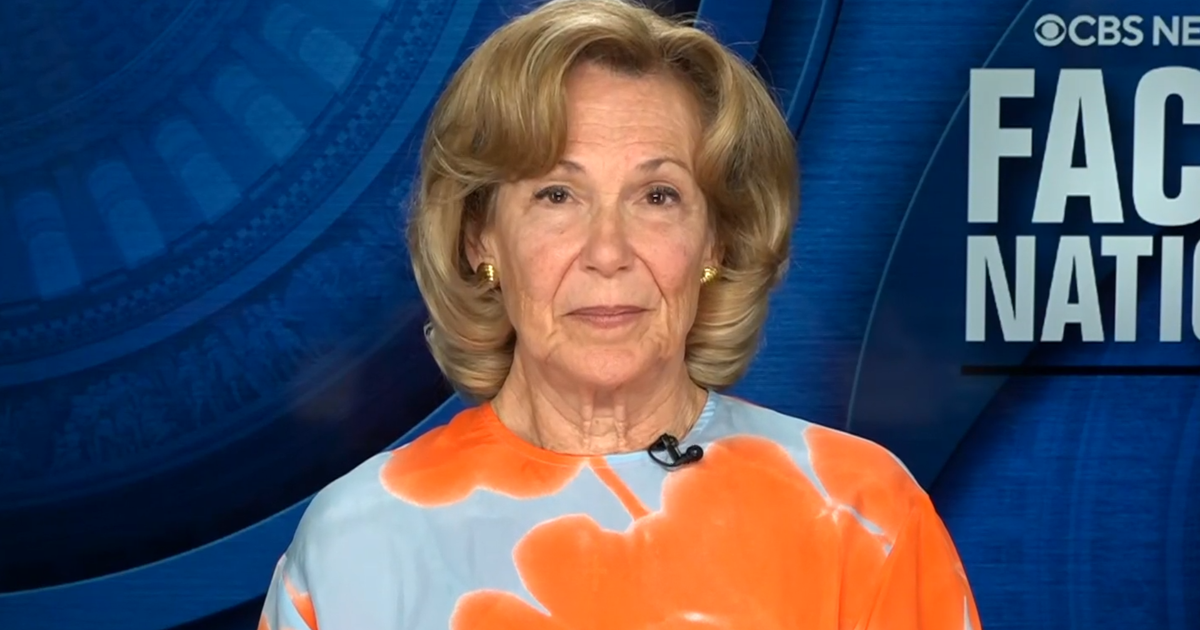
The DRC is facing an escalating Ebola outbreak with nearly 750 suspected cases and almost 200 deaths, though Dr. Birx said the apparent surge reflects delayed detection over several weeks. She said the U.S. has already sent a DART team and CDC personnel, while travel restrictions and diversion of a Paris-Detroit flight highlight the containment risk. The interview underscores heightened public-health risk in an emerging market conflict zone, with potential implications for travel and global health funding.
The market-relevant issue is not the outbreak itself but the state capacity gap it exposes. A slow-detected hemorrhagic-virus event increases the value of fast diagnostics, outbreak surveillance, cold-chain logistics, and border-screening infrastructure; the beneficiaries are likely to be the picks-and-shovels names in lab equipment, rapid test platforms, and public-health contractors rather than headline vaccine stories. Conversely, airlines, airport services, and cross-border logistics tied to Central/East Africa can see episodic friction even if passenger volumes never fully collapse, because one confirmed import case is enough to trigger discretionary routing and compliance costs.
Second-order risk is that the response money arrives too late to matter for the first wave but still creates procurement demand over the next 1-3 months. That favors firms with standing government frameworks and deployed inventory, not small-cap biotech hoping for a one-off EUA headline; the real trade is around budget execution speed. The biggest operational beneficiary may be companies that sell mobile diagnostics, PPE, and hospital containment systems into U.S. state and federal stockpiles, since policymakers will overcompensate for the optics of underpreparedness.
The contrarian read is that the direct U.S. macro or hospital-demand impact is probably overestimated, while the policy and budget implications are underpriced. This is a reputational shock to public-health institutions, which can catalyze renewed funding for CDC/WHO-adjacent programs and African health security capacity after a lag. Over 6-12 months, that means more procurement, more consulting, and more grants; over days, the trade is pure event-driven volatility in travel and select healthcare names, with the downside concentrated in any company exposed to Africa-linked passenger routing or fragile supply chains.
AI-powered research, real-time alerts, and portfolio analytics for institutional investors.
Request DemoOverall Sentiment
mildly negative
Sentiment Score
-0.35
