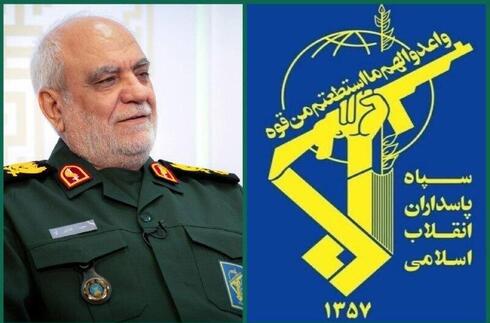
Israel’s security services said they exposed an IRGC-run covert terror network after foiling plots against the Baku-Tbilisi-Ceyhan oil pipeline, the Israeli Embassy in Baku, and other Jewish and strategic targets. Several operatives were arrested in Azerbaijan with explosive drones and fragmentation devices, while senior IRGC figures Rahman Moghaddam, Majid Khademi, and Mohsen Souri were reportedly killed in strikes tied to Operation Roaring Lion. The disclosure underscores elevated geopolitical risk for regional infrastructure, energy transit routes, and overseas Israeli/Western assets.
This is less about the arrest/exposure itself and more about the probability of a delayed retaliatory cycle. When a covert network is publicly rolled up, Tehran typically loses deniability and is forced toward either a hurried substitute channel or a visibly attributable response; both outcomes raise near-term tail risk for shipping, regional infrastructure, and Western soft targets. The market should not price this as a one-day headline event: the more relevant window is 2-8 weeks, when disrupted cells get rebuilt, intelligence services tighten travel/security posture, and insurers reassess transit risk.
The second-order beneficiary is the security stack around chokepoints and critical infrastructure. That includes perimeter security, drone defense, secure communications, and private intelligence services for energy, aviation, and embassies; the economic damage from one successful pipeline or port incident would be much larger than the direct operational disruption. Conversely, any asset tied to regional logistics, maritime throughput, or Middle East tourism is vulnerable to a risk premium even without a kinetic event, because the implied probability of low-frequency attack rises sharply once a cross-border network is exposed.
The energy signal is asymmetric: the story does not justify a structural oil call on supply loss, but it does support a volatility bid and a modest geopolitics premium in Brent/European refined products. The more important move is in implied vol and dispersion rather than outright crude direction, because most scenarios end in elevated security costs and transient disruption rather than durable barrels-off-the-market losses. If there is no follow-on attack within a few weeks, the premium should decay quickly; if there is, the reaction likely accelerates into broader regional de-risking and a jump in defense/anti-drone spending expectations.
Contrarian view: the consensus may overestimate the durability of the threat and underestimate state-capability asymmetry. Public exposure can actually impair future plotting by forcing more resources into operational security and making recruitment harder, which means the best trade may be buying near-term fear through options rather than owning a persistent geopolitical thesis. The highest-risk mistake is to treat this as a binary Israel-Iran escalation story; the more tradable edge is in identifying which private beneficiaries monetize paranoia fastest and which civilian sectors see a delayed but measurable demand hit.
AI-powered research, real-time alerts, and portfolio analytics for institutional investors.
Request DemoOverall Sentiment
strongly negative
Sentiment Score
-0.55
