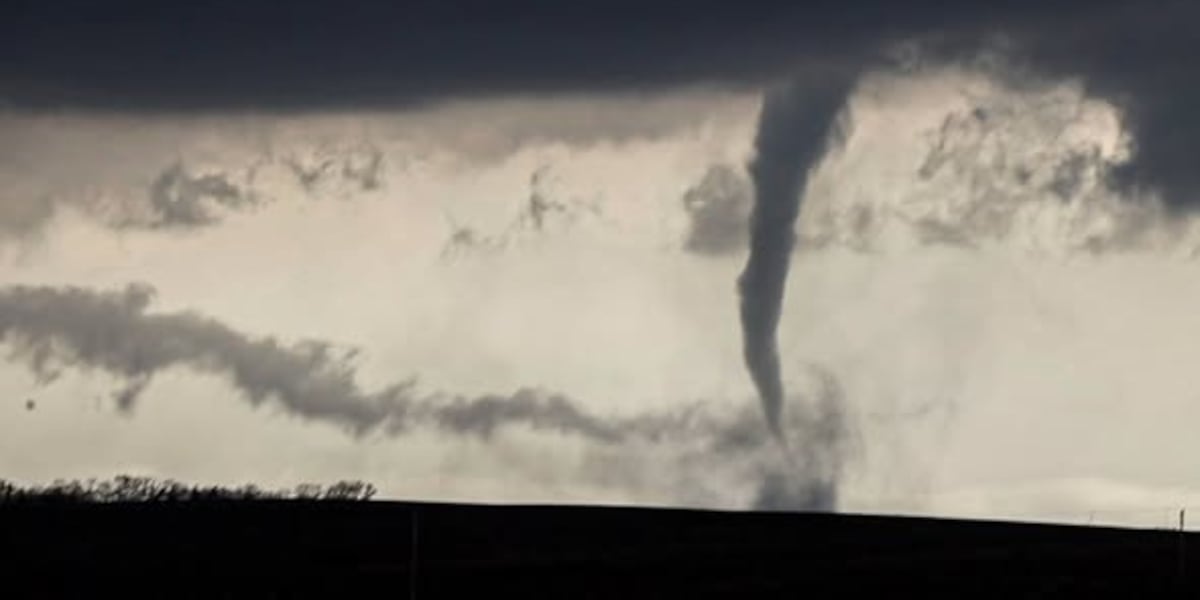
Severe weather and tornado warnings affected the Rochester, Minnesota area on Friday, with the article primarily showing viewer-submitted storm photos. The piece is a local weather update with no economic, corporate, or market-specific developments. Market impact is minimal.
Severe local weather events are usually a weak equity signal in isolation, but the first-order damage is not the tail risk that matters — it is the operational noise that follows: temporary power interruptions, road closures, claims processing spikes, and short-duration demand shifts toward repair, shelter, and consumables. The highest-probability market reaction is not in the storm zone itself but in adjacent beneficiaries with rapid inventory turnover and low execution risk: home improvement, building products, restoration services, and regional insurers with Midwest exposure.
The second-order issue is timing. If this is part of a broader spring severe-weather pattern, insurers may see a fast repricing of catastrophe expectations before loss development is fully known, while distributors of lumber, roofing, generators, batteries, and bottled water can see a 1-3 week lift in sell-through. That said, the trade is usually more attractive on the recovery/repair phase than on the event headline, because panic buying fades quickly and the market tends to underappreciate the persistence of remediation spend over the following 30-90 days.
The contrarian view is that investors often overestimate the macro drag from local weather and underestimate the micro economic stimulus from replacement spending. A storm like this can actually be mildly constructive for certain discretionary categories if it accelerates replacement of damaged property, while the real losers are narrow: exposed insurers, utilities with weak hardening investment, and small businesses with thin working capital. If weather losses remain localized, any selloff in regional financials or utilities is likely to be faded rather than chased.
Catalyst risk sits on two horizons: near term, claim estimates and outage duration; medium term, whether this is the first marker of a broader severe-weather season that drives reserve strengthening. The key reversal trigger is a benign follow-up weather pattern plus limited insured loss escalation, which would unwind the knee-jerk premium in catastrophe-sensitive names within days to weeks.
AI-powered research, real-time alerts, and portfolio analytics for institutional investors.
Request TrialOverall Sentiment
neutral
Sentiment Score
-0.05
