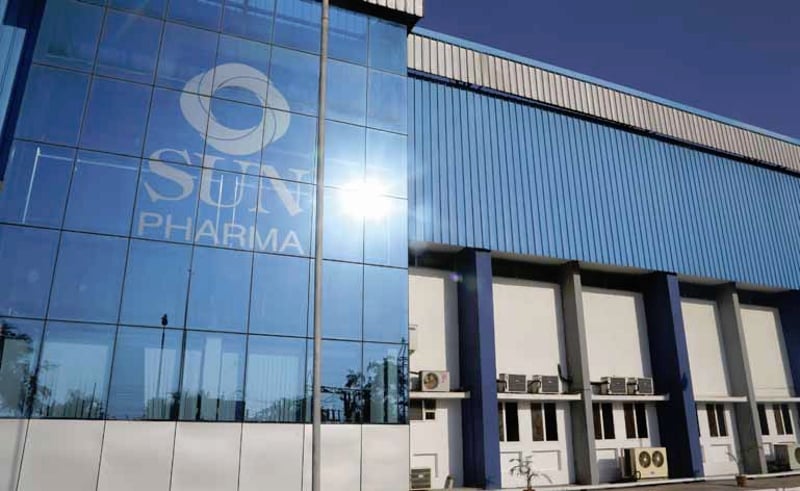
Sun Pharma will acquire Organon for $11.75 billion, paying $14 per share, a 24% premium to Friday’s close and more than 100% above Organon’s price at the start of April. The deal would be Sun’s largest ever and is expected to close by early 2027, adding scale in innovative medicines and helping lift Sun to No. 7 in global biosimilars. Organon brings $6.2 billion in annual sales but has faced debt, stagnant revenue and pressure from upcoming exclusivity loss on Nexplanon.
This is less a simple scale deal than a strategic pivot from volume to mix. Sun is effectively buying a de-risked ex-Merck asset base plus a global commercial footprint, which should reduce its dependence on U.S. generics pricing and create a more durable earnings profile if integration holds. The market is also implicitly valuing Sun’s ability to extract cost synergies and reroute Organon’s underutilized international channels into higher-margin branded and biosimilar launches.
The second-order winner is likely not the acquired assets themselves but Sun’s competitive positioning in the next wave of biosimilars. Moving into a top-tier biosimilar rank matters because it improves negotiating leverage with distributors and payors, and it gives Sun a broader launch platform for future assets without paying retail for each country-by-country rollout. The biggest operational risk is that Organon’s stagnation is a symptom of weak innovation throughput, so the deal can become a balance-sheet trade if Sun overestimates the speed at which new product launches compensate for Nexplanon erosion and prior acquisition drag.
Consensus may be underappreciating integration complexity across geographies and regulatory regimes. A large cross-border carve-in can look accretive on headline synergies but still disappoint if management spends the first 12-18 months stabilizing manufacturing, transfer pricing, and field-force retention rather than driving growth. That makes the near-term setup asymmetric: Sun can rerate on execution evidence quickly, while Organon’s upside is capped by deal certainty and closing risk, even if the bid premium feels large today.
For peers, this raises the bar on valuation for niche specialty and women’s-health franchises with international distribution but limited growth, because strategic buyers now have a live benchmark for monetizing stagnation. It also puts pressure on mid-cap biopharma platforms with one or two commercial assets and leveraged balance sheets: once a credible buyer can pay up for global cash flows, standalone equity stories without growth catalysts become easier shorts on any post-deal pop.
AI-powered research, real-time alerts, and portfolio analytics for institutional investors.
Request DemoOverall Sentiment
moderately positive
Sentiment Score
0.55
Ticker Sentiment
