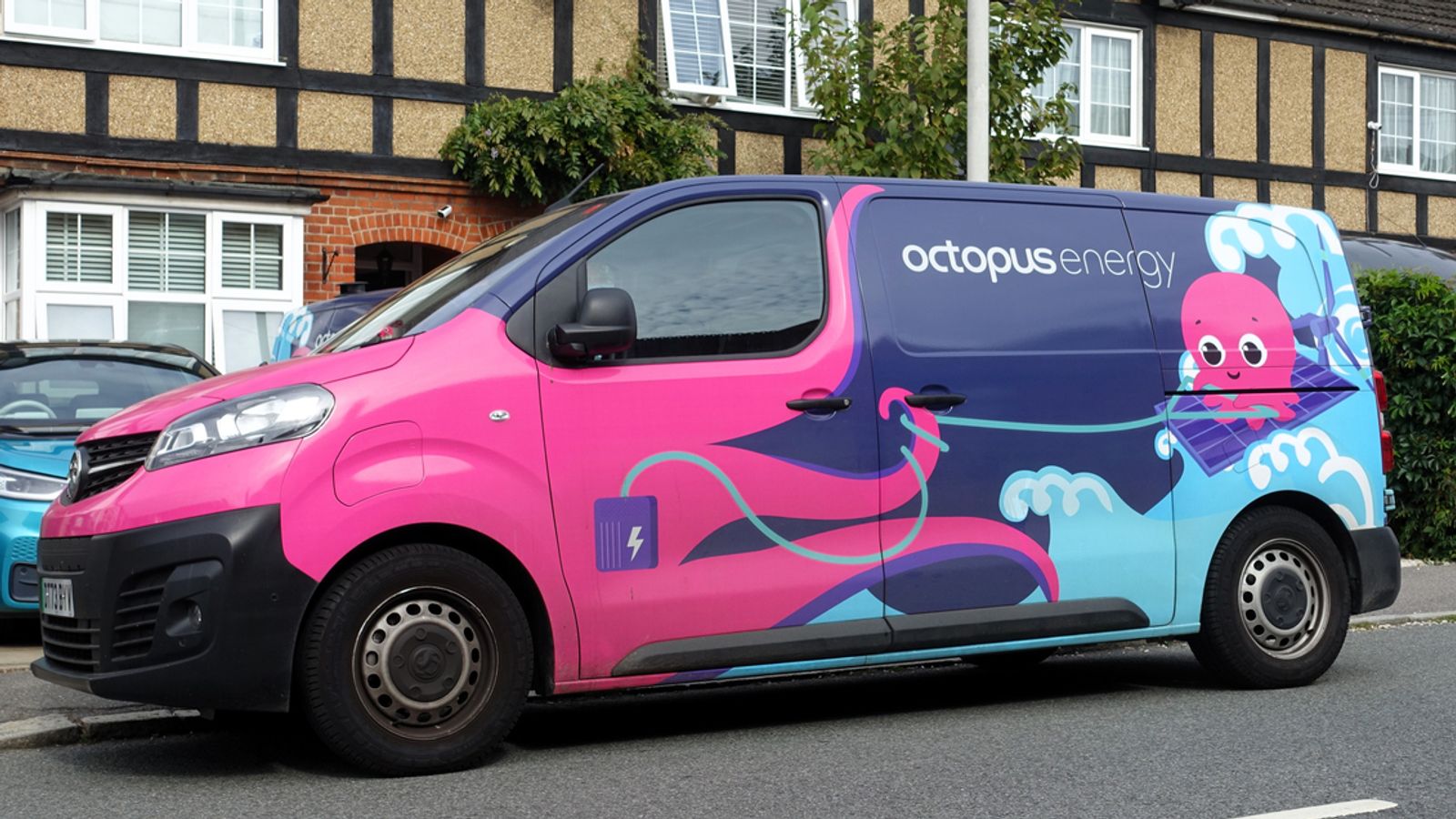
Octopus Energy has lined up a syndicate including D1 Capital Partners, Fidelity and an arm of Ontario Teachers to buy a 10–20% stake in its software arm Kraken Technologies in a demerger-backed sale likely valuing Kraken at $9bn–$10bn. Goldman Sachs is handling the transaction, which, if priced at $10bn, would imply the wider Octopus group is worth roughly £15bn; Kraken is contracted to over 70m customer accounts with a target of 100m by 2027 and its platform is licensed to major utilities worldwide. The deal both crystallises a sizeable private-market valuation for a fast-growing energy-software asset and aims to remove perceived conflicts of interest to accelerate third‑party licensing and future growth/exit options.
Market structure: Kraken's demerger and a $9-10bn valuation crystallises a winner-takes-most dynamic in energy OSS — Kraken, its licencees (EON, EDF, Origin) and incumbents that adopt its stack win via lower OPEX and faster product rollout; legacy meter/billing vendors and vertically integrated retail suppliers that monetise captive data are the losers. A standalone Kraken removes conflict-of-interest, likely accelerating licensing deals and pricing power for SaaS margins (target EBITDA margins >25% by 2027 implied by current multiples).
Risk assessment: Key tail risks are regulatory intervention on data/use (UK/EU privacy and competition) or a large operational outage that damages incumbent trust; macro tightening could compress multiples (a 200–400bp higher real yields could cut comparable private valuations by 20–30%). Immediate move risk: announcement-driven sentiment in days; short-term (weeks–months) execution risk around syndicate close; long-term (to 2027) execution risk around hitting 100m accounts. Hidden dependency: Kraken revenues scale with customer meter read frequency, utility capex cycles and successful deconfliction from Octopus. Catalysts: formal demerger filing (30–60 days), major 10–50m account licence win, or IPO roadmap (12–24 months).
Trade implications: Direct: establish a 1–2% notional long in GS (ticker: GS) via a 9-month call spread to play advisor fees and M&A flow (buy 10% ITM / sell 30% ITM) before deal close (act within 1–4 weeks). Take a 1–2% overweight in ITRI (Itron, ticker: ITRI) or similar grid-software public names (or buy 18-month LEAP 35–45% OTM) to capture secular adoption. Private-secondary: participate in Kraken secondary only if valuation ≤$10bn — limit to 1–3% NAV with 18–36 month hold and 20%+ IRR hurdle. Hedge: buy 6-month 5%‑delta puts on Shell (ticker: SHEL) sized 0.5–1% NAV to guard vs retail divestiture/earnings risk.
Contrarian angles: Consensus underweights execution risk and margin pressure from rapid international rollouts; $10bn prices 5–7+ years of premium growth — if Kraken misses 2027 100m target by >20% the re‑rating could be 30–50%. Historical parallel: platform carve-outs (e.g., SAP/Concur) show initial premium then mean reversion once growth normalises; demerger may free customers but also exposes Kraken to sales cycles and procurement scrutiny, slowing near-term revenue recognition. Maintain downside hedges until the first post-demerger quarterly contract cadence is visible (2–3 quarters).
AI-powered research, real-time alerts, and portfolio analytics for institutional investors.
Request DemoOverall Sentiment
moderately positive
Sentiment Score
0.45
Ticker Sentiment
