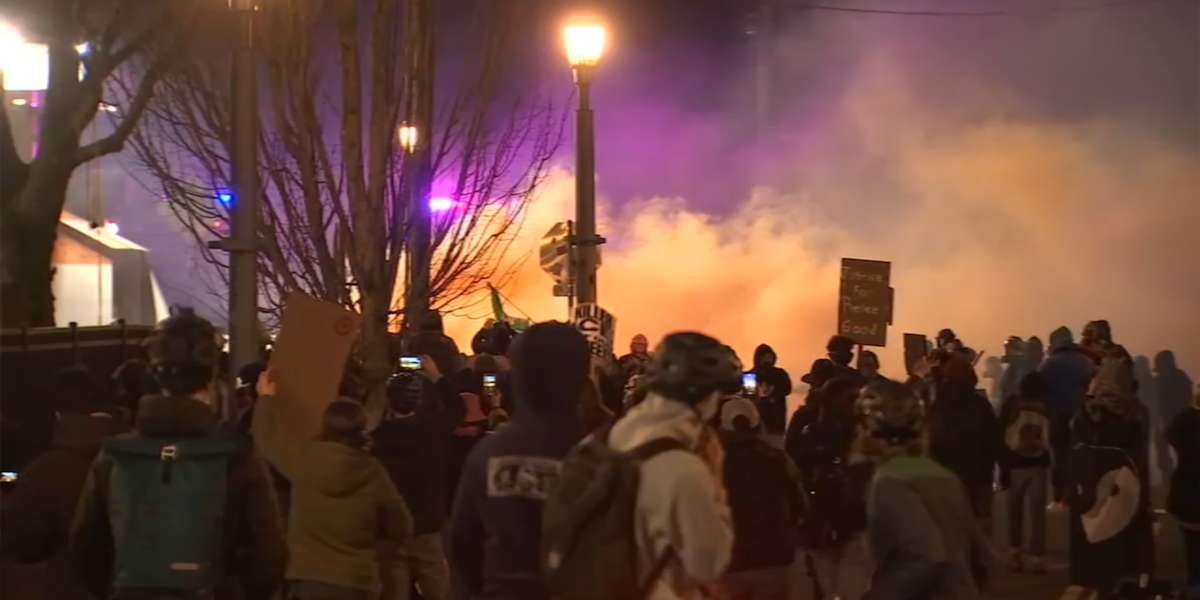
U.S. District Judge Michael Simon issued an injunction barring federal agents from using tear gas and other crowd-control munitions at the Portland ICE facility except when there is an immediate threat of physical harm. A similar order followed a suit by REACH (manager of Gray’s Landing affordable housing); the Justice Department is likely to appeal and violations could trigger contempt of court, constraining DHS/FPS operational discretion but presenting minimal direct market implications.
This ruling creates a narrow but important legal precedent constraining federal tactical options at high-profile protest sites; the first-order operational effect is limited to protocol changes at a handful of facilities, but the second-order effect is a measurable increase in litigation risk and oversight costs for DHS and its contractors. Expect incremental budgetary and procurement shifts over the next 3–12 months as agencies respond with policy reviews, training, and non-kinetic alternatives (surveillance, barriers, private security), which favors firms that sell accountability tech and de-escalation systems versus pure-play crowd-control munition vendors.
On timing: DOJ is very likely to appeal within weeks, so volatility in legal outcomes will cluster around the appeals calendar (district court -> 9th Circuit -> potentially Supreme Court), a process that can take 3–18 months and creates a binary path for industry procurement—either a temporary stay and resumption of prior practices or broader nationwide restraint. Financially, the most direct near-term impact will be reputational and contract renegotiation risk rather than immediate revenue shocks; expect smaller contractors with concentrated DHS exposure to show material margin pressure within 2–4 quarters if the injunction broadens.
Municipal and real-estate angles are underappreciated: property managers and insurers around federal facilities gain by de-escalation (lower claim frequency), while owners of detention and enforcement infrastructure face political and regulatory tail risk that can compress valuations if the national narrative hardens. The clearest actionable mismatch is between long-duration procurement cycles (6–24 months) and short-term legal volatility — firms that sell durable, non-lethal surveillance/accountability tech will see steadier demand versus tactical munition suppliers whose orderbook is more elastic to legal rulings.
AI-powered research, real-time alerts, and portfolio analytics for institutional investors.
Request DemoOverall Sentiment
neutral
Sentiment Score
0.00
