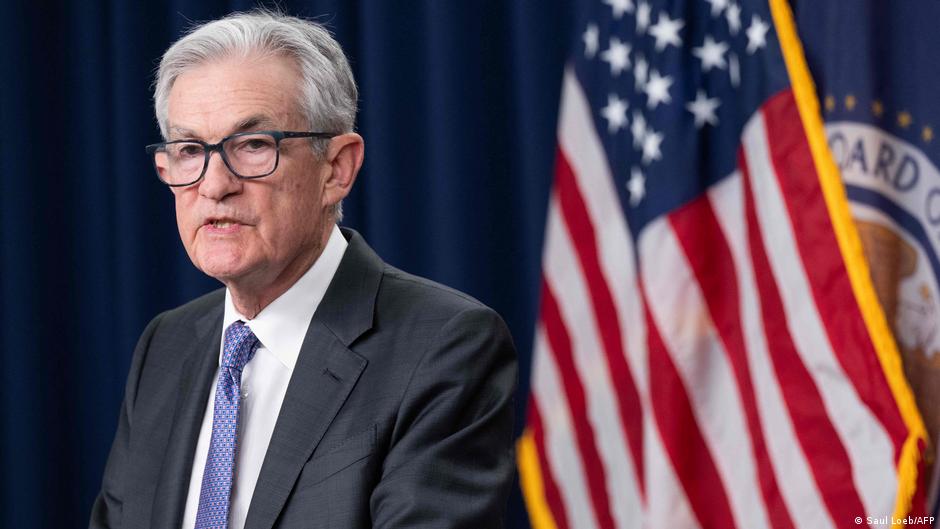
The Justice Department is closing its investigation into Fed Chair Jerome Powell, removing a key legal and political obstacle to Kevin Warsh's confirmation as the next Fed chair. The probe had been stalled by a federal judge and opposed by Sen. Thom Tillis, who called it baseless and withheld support for Trump’s bank nominees. The decision reduces uncertainty around Fed leadership, with potential implications for monetary policy expectations.
The immediate market read is not the legal housekeeping; it is that the path dependency around Fed leadership has become cleaner. A less obstructed Warsh confirmation path raises the odds of a more overtly growth-sensitive, rate-cut-friendly Fed composition over the next 1-3 months, which should steepen the front end of the curve and compress real yields if investors believe policy easing becomes more politically aligned. That is constructive for duration assets, but the first-order beneficiary is likely not the broad market — it is the most rate-sensitive factor exposures: homebuilders, small caps, and long-duration software.
The second-order effect is more interesting for volatility. If the market starts to price a higher probability of a dovish regime shift, the path of policy becomes less about macro data and more about governance risk, which can keep implied vol bid even as equities grind higher. In that setup, financials and banks face a more nuanced backdrop: lower front-end rates help deposit costs and housing credit demand, but a perceived erosion of Fed independence can pressure the term premium and create curve-chop rather than a clean bull steepener.
The contrarian angle is that the move may be over-read as a direct signal on rates. A new chair, even if installed, does not instantly override an entrenched FOMC or the inflation data path; any pricing of aggressive easing could fade if core services inflation re-accelerates. The better trade is not to chase a blanket risk-on beta rally, but to express a relative view around which sectors are most levered to a flatter policy function versus those exposed to a higher term premium and governance noise.
AI-powered research, real-time alerts, and portfolio analytics for institutional investors.
Overall Sentiment
mildly positive
Sentiment Score
0.15
