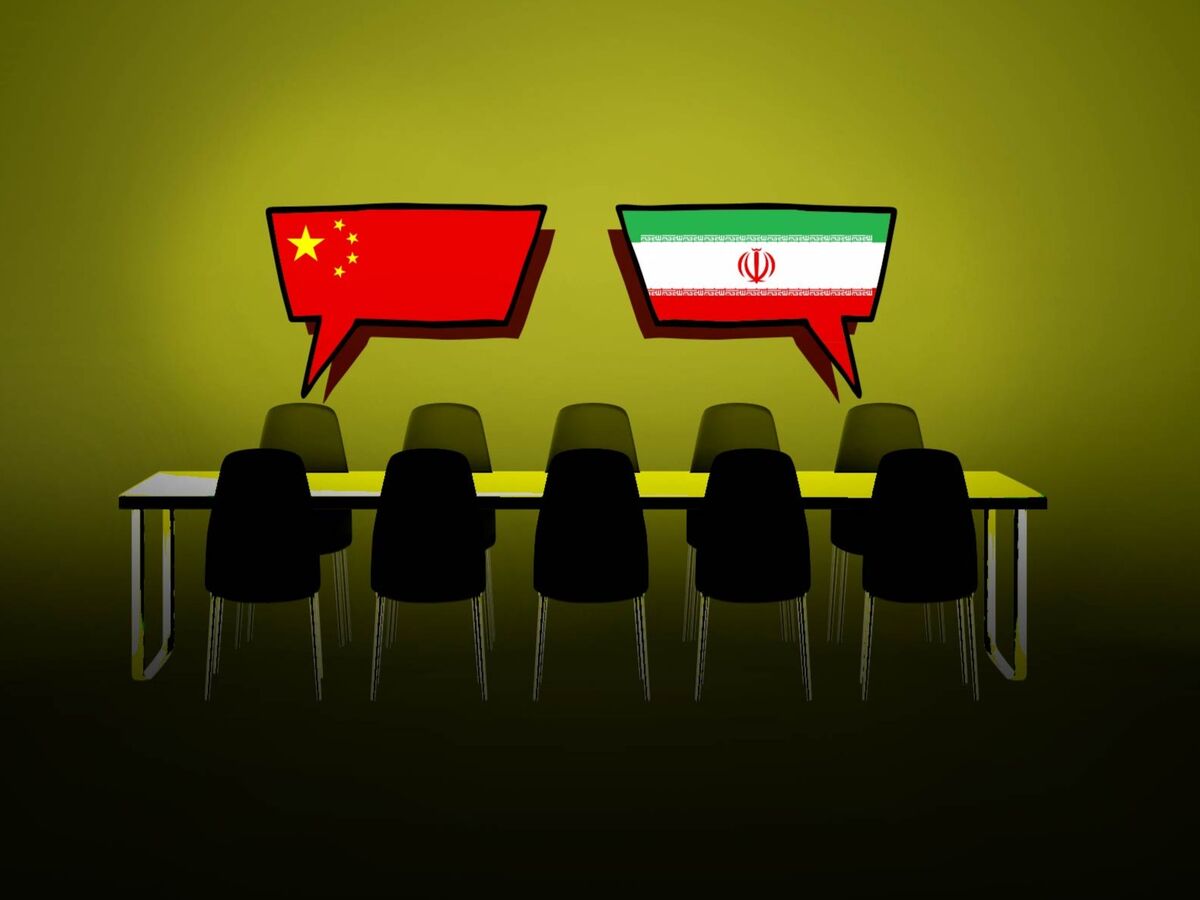
Iran’s foreign minister Abbas Araghchi is heading to Beijing for his first visit since the war to discuss the conflict with China, while the US says its ceasefire with Iran still holds despite recent clashes. The article also notes Donald Trump’s upcoming talks with Xi Jinping and reports that Abu Dhabi is exploring new investments to strengthen its defense capabilities. The tone is broadly geopolitical and risk-aware, but the piece contains no direct market-moving policy or economic data.
The key market signal is not the diplomacy headline itself, but the growing probability that the conflict is being managed into a lower-intensity, longer-duration standoff rather than a clean escalation. That is supportive for broad risk assets in the near term, but it also tends to compress the premium for “panic hedges” too quickly; implied vol in energy, defense, and EM FX can mean-revert sharply if there is no fresh kinetic surprise over the next 1-3 weeks. The market is likely underpricing how much this favors regional states that can monetize calm: capital inflows, tighter sovereign spreads, and renewed project financing in Gulf infrastructure and defense ecosystems.
The second-order beneficiary set is broader than traditional defense primes. Any reduction in immediate escalation risk lowers the urgency for inventory hoarding and rerouting across shipping, insurance, and air freight, which can pressure rate-sensitive logistics names and improve margins for industrials with Middle East exposure. Conversely, a fragile ceasefire raises the value of suppliers tied to surveillance, missile defense, cybersecurity, and critical infrastructure hardening; those budgets are sticky and can re-rate for 12-24 months even if headline violence fades.
The contrarian point is that calm can be bearish for some “geopolitical beta” trades that have already run on fear rather than fundamentals. If Beijing is used as a diplomatic backchannel, the more durable winner may be China’s strategic optionality with Gulf capital, not a broad de-risking of the region. The market may also be missing that a ceasefire narrative can delay, not eliminate, procurement cycles — meaning defense demand shifts from urgent replenishment to longer-cycle modernization, which is better for select names than for the basket as a whole.
AI-powered research, real-time alerts, and portfolio analytics for institutional investors.
Request DemoOverall Sentiment
neutral
Sentiment Score
-0.05
