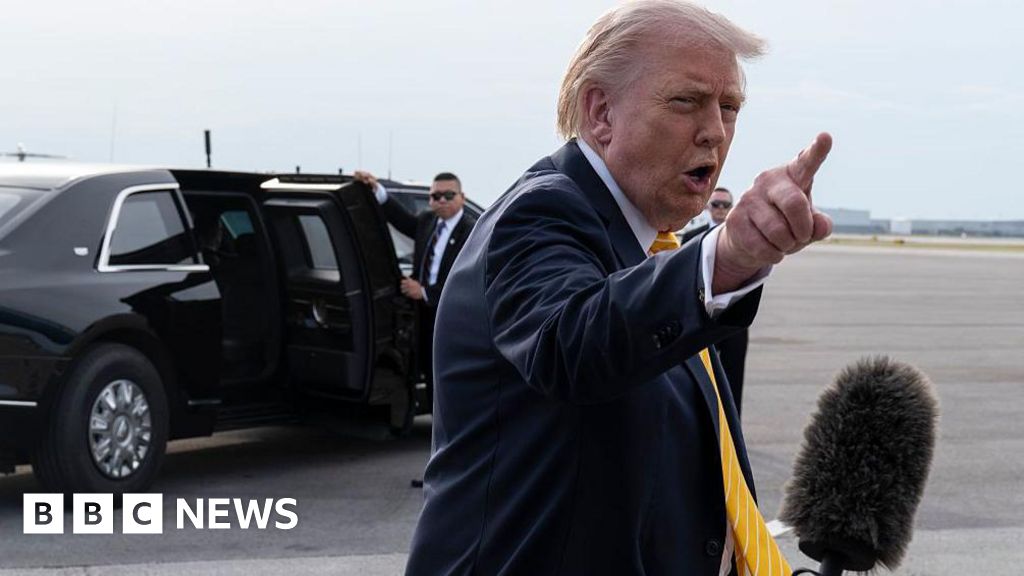
Iran says it has received a U.S. response to its latest 14-point peace proposal, which calls for U.S. force withdrawal near Iran, an end to the naval blockade of Iranian ports, and a halt to hostilities within 30 days. Trump said a renewed strike on Iran remains "a possibility" and reiterated that Iran can never have a nuclear weapon, while congressional Republicans expressed growing unease about the open-ended conflict. The situation keeps Middle East geopolitical risk elevated and could affect defense, energy, and broader risk sentiment.
The market should read this less as a diplomatic breakthrough and more as a test of whether Washington can preserve leverage while avoiding an accidental escalation trap. The key second-order effect is that even a partial de-escalation lowers the near-term probability of an energy/shipping shock, but it also creates a political incentive for both sides to posture publicly while negotiating privately. That means headline volatility can stay high even if the underlying odds of a broader regional conflict drift lower.
The more interesting dynamic is domestic U.S. constraint risk. Congressional frustration raises the odds that any renewed strike cycle becomes procedurally contested, which is bearish for defense contractors with discretionary exposure to short-cycle munitions replenishment but bullish for firms tied to persistent force posture and ISR. If the White House is forced to justify actions under a tighter legal framework, the market may start pricing a shorter operational window for offensive activity rather than an open-ended campaign.
The consensus is likely overestimating the immediacy of sanctions relief and underestimating the durability of a quasi-blockade regime. Even without active strikes, maritime risk premia, insurance costs, and rerouting burdens can persist for months, keeping beneficiaries in shipping security, surveillance, and integrated defense supported. The real tail risk is a failed negotiation followed by a second strike package within weeks; the more benign path is a managed freeze that removes tail risk from crude but leaves a tactical premium in defense and cyber.
For risk assets, the most asymmetric move is not a directional war trade but a volatility compression trade if talks continue to advance. If the market has already priced in a broad conflict, any credible sign of Congress constraining the administration or a de-escalatory channel through intermediaries should fade defense beta and reduce oil’s geopolitical premium quickly. The flip side is that one misread of the response or a public repudiation can reprice regional risk in a single session, so timing matters more than conviction.
AI-powered research, real-time alerts, and portfolio analytics for institutional investors.
Request DemoOverall Sentiment
mildly negative
Sentiment Score
-0.35
