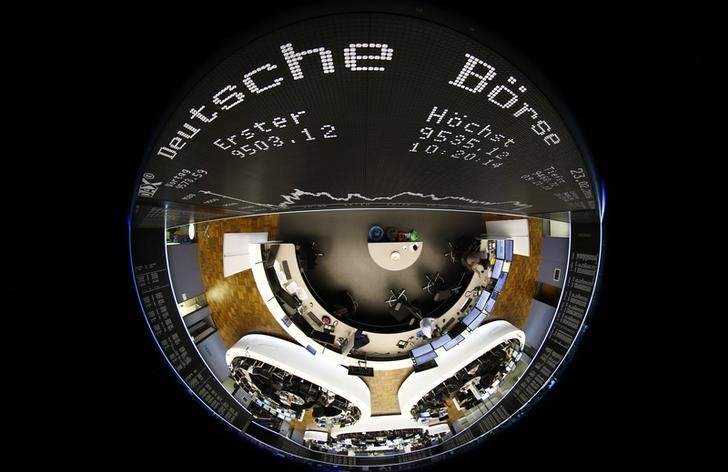
Crude oil rose 3.64% to $92.93 a barrel and Brent climbed 3.19% to $101.62 as Hormuz disruptions persisted despite a ceasefire extension, signaling elevated geopolitical risk in energy markets. The DAX fell 0.25% while the DAX volatility index jumped 6.08% to 23.75, with German equities mixed-to-lower and several names hitting multi-year or all-time highs. The article is largely market wrap content, but the geopolitical oil shock and spike in volatility give it broad cross-asset relevance.
The market is pricing a classic “higher-for-longer energy shock,” but the second-order effect is broader than just upstream energy beta. The real near-term winners are companies with embedded commodity pass-through or balance-sheet optionality: power generators, select chemicals, and silicon/semicap names tied to European industrial input substitution. That helps explain why the strongest tape is showing up in energy-adjacent cyclicals rather than pure oil names — investors are rotating toward assets with operating leverage to inflation without the same direct policy overhang as oil producers.
The more interesting signal is volatility. A move in oil through $100 with geopolitics unresolved typically widens credit spreads first in transportation, airlines, chemicals, and leveraged consumer discretionary before equities fully reprice. That creates a 1-4 week window where the market can over-discount demand destruction while under-discounting margin compression, especially in Europe where energy sensitivity and FX translation effects are both negative for importers.
The contrarian view is that this may be a temporary risk premium rather than a durable supply reset. If the disruption remains localized, the ceiling on crude is likely set by strategic reserve release rhetoric, demand substitution, and a stronger dollar; those forces usually cap upside within weeks unless physical barrels are actually lost. In that case, the most crowded long-energy trade becomes vulnerable to a sharp mean reversion, while short-duration beneficiaries of lower real rates and higher vol — defense, grid, and power infrastructure — should remain bid longer than the oil spike itself.
For single-name stock behavior, the market is rewarding names with credible structural growth stories and punishing high-duration defensives less tied to the inflation narrative. That suggests flows are chasing “scarcity + growth” rather than pure defensiveness, which is usually a late-cycle tactical tell. If oil stays above $100, expect a second wave of earnings revisions in Q3/Q4 for European industrials and consumer travel names, not just the obvious energy complex.
AI-powered research, real-time alerts, and portfolio analytics for institutional investors.
Request TrialOverall Sentiment
neutral
Sentiment Score
0.12
Ticker Sentiment
