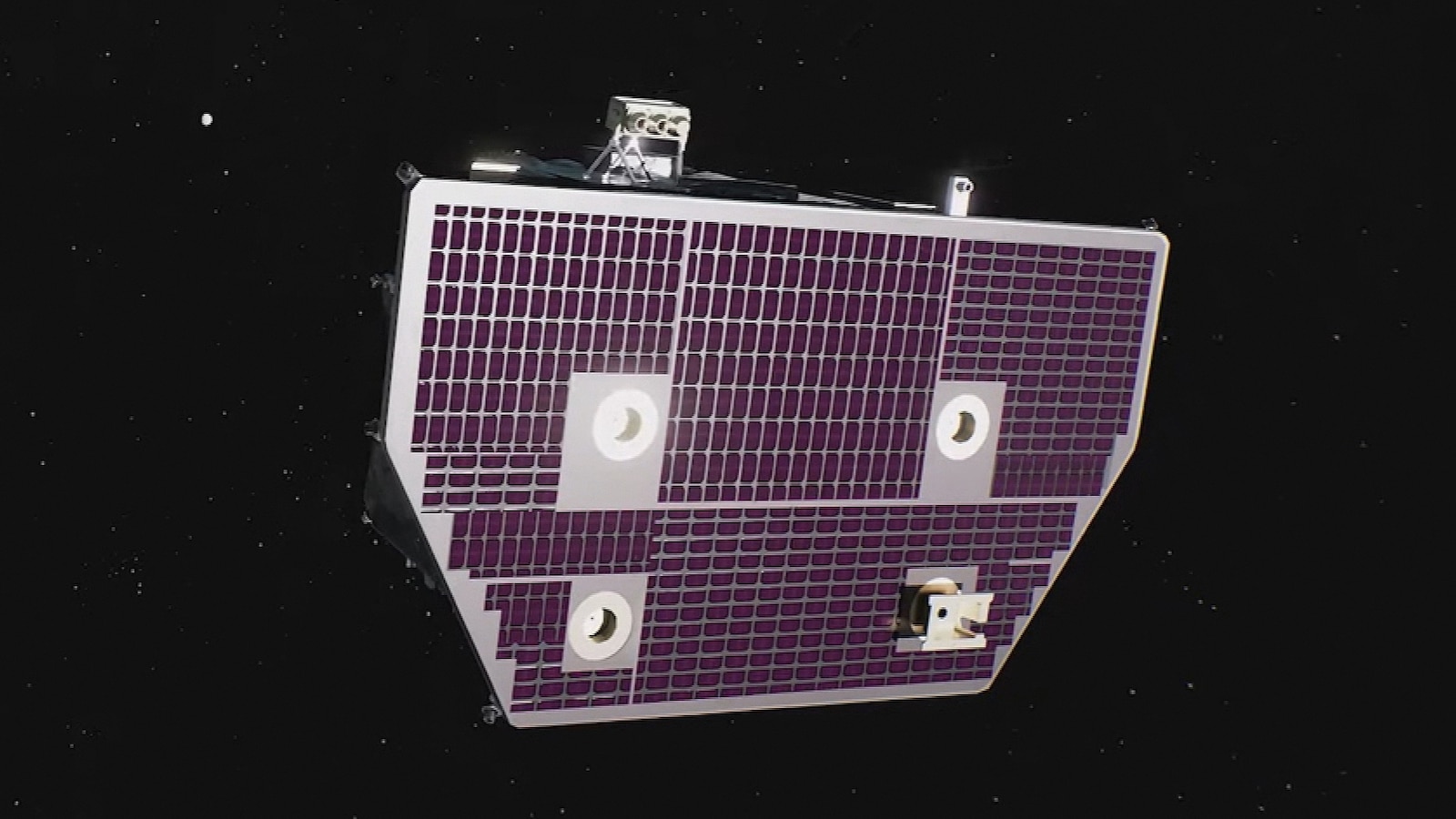
NASA and NOAA are launching three satellites via a SpaceX Falcon 9 to enhance space weather prediction and mitigate risks to critical infrastructure, including GPS and power grids, from solar storms. This urgent mission, featuring NOAA's first dedicated space weather observatory (SWFO-L1), will provide early warnings and improve civilian and astronaut safety by continuously monitoring solar activity from the L1 point, addressing the increasing vulnerability of technology-dependent sectors to solar-induced disruptions.
A joint NASA and NOAA mission, described as 'extremely urgent,' is being launched via a SpaceX Falcon 9 to enhance space weather forecasting and mitigate systemic risks to critical infrastructure. The initiative involves three specialized satellites positioned at the L1 Lagrange point for continuous solar observation, a significant upgrade in data-gathering capability. The primary objective is to provide early warnings for solar storms that can disrupt power grids, reduce GPS accuracy for sectors like precision agriculture and mining, and endanger astronauts. While the mission itself is a government-led effort with a low market impact score of 0.15, its success represents a crucial de-risking event for a broad range of technology-dependent industries. The 'cautious' tone of the announcement underscores the growing recognition of space weather as a tangible economic threat, with NOAA's SWFO-L1 satellite set to become its first fully dedicated observatory for this purpose.
AI-powered research, real-time alerts, and portfolio analytics for institutional investors.
Request DemoOverall Sentiment
moderately positive
Sentiment Score
0.40
