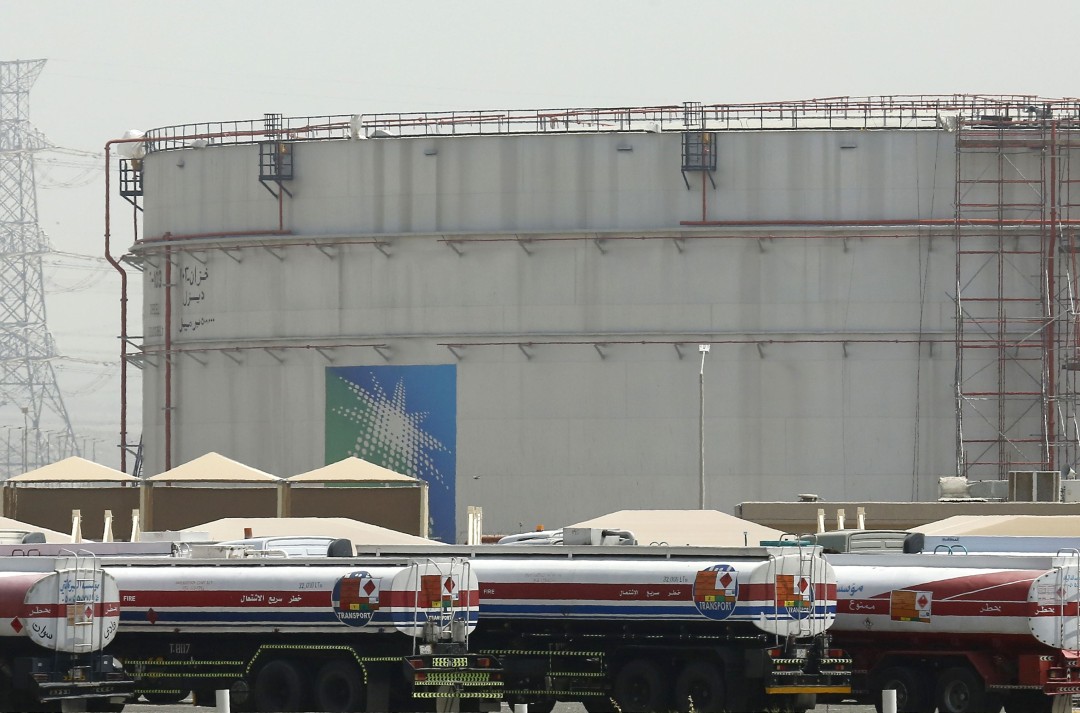
Brent crude could exceed $150 by mid-April and potentially rise to $165–$180 if the Strait of Hormuz remains effectively closed, with futures already touching about $119 this week. Traders are buying options betting on $130–$150 moves next month and some analysts see $200 possible, while US gasoline averages have jumped to $3.88/gal; Goldman Sachs warns Brent could stay above $100/bbl through next year in extended-disruption scenarios (best-case ~$70/bbl by year-end). The projected price surge raises material inflation and recession risks via demand destruction, creating significant downside economic spillovers despite short-term revenue gains for oil exporters.
A sustained, physical supply bottleneck pushes value to producers with the fastest incremental margin capture and to service providers that monetize higher utilization and dayrates; the clearest second-order winners are high‑margin US E&P producers and oilfield-services companies with short-cycle cashflow, while capital‑intensive, energy‑sensitive users (airlines, container shipping, chemicals) will see margins compress and cash conversion weaken. Higher headline energy costs also create a nonlinear fiscal feedback: commodity exporters temporarily strengthen FX and sovereign cashflow, but a prolonged price spike risks political pressure to release stockpiles and accelerates demand-side policy responses that can cap upside.
Time horizon matters: in days we expect volatility spikes in freight, insurance and short-term physical premium (prompt markets), in months inventories, refinery runs and US shale response govern price direction, and over years persistent high prices accelerate structural substitution toward efficiency and alternatives. Key reversal catalysts are coordinated strategic inventory releases, a credible diplomatic de‑escalation pathway, or a faster-than-expected reactivation of non-OPEC supply; conversely, further damage to midstream/terminal infrastructure or sustained insurance market tightening would lengthen the shock.
Market structure and positioning create tradable edges: implied volatility and option skews are rich—buyers are paying up for tail upside—so asymmetric option structures and relative value pairs offer superior risk/reward versus naked futures. Contango/backwardation dynamics will dominate ETF roll returns and provide calendar-arbitrage opportunities; expect near-term futures to outperform deferred months if the physical tightness persists, and plan hedges around that curve shape rather than spot point forecasts.
AI-powered research, real-time alerts, and portfolio analytics for institutional investors.
Request DemoOverall Sentiment
strongly negative
Sentiment Score
-0.65
Ticker Sentiment
