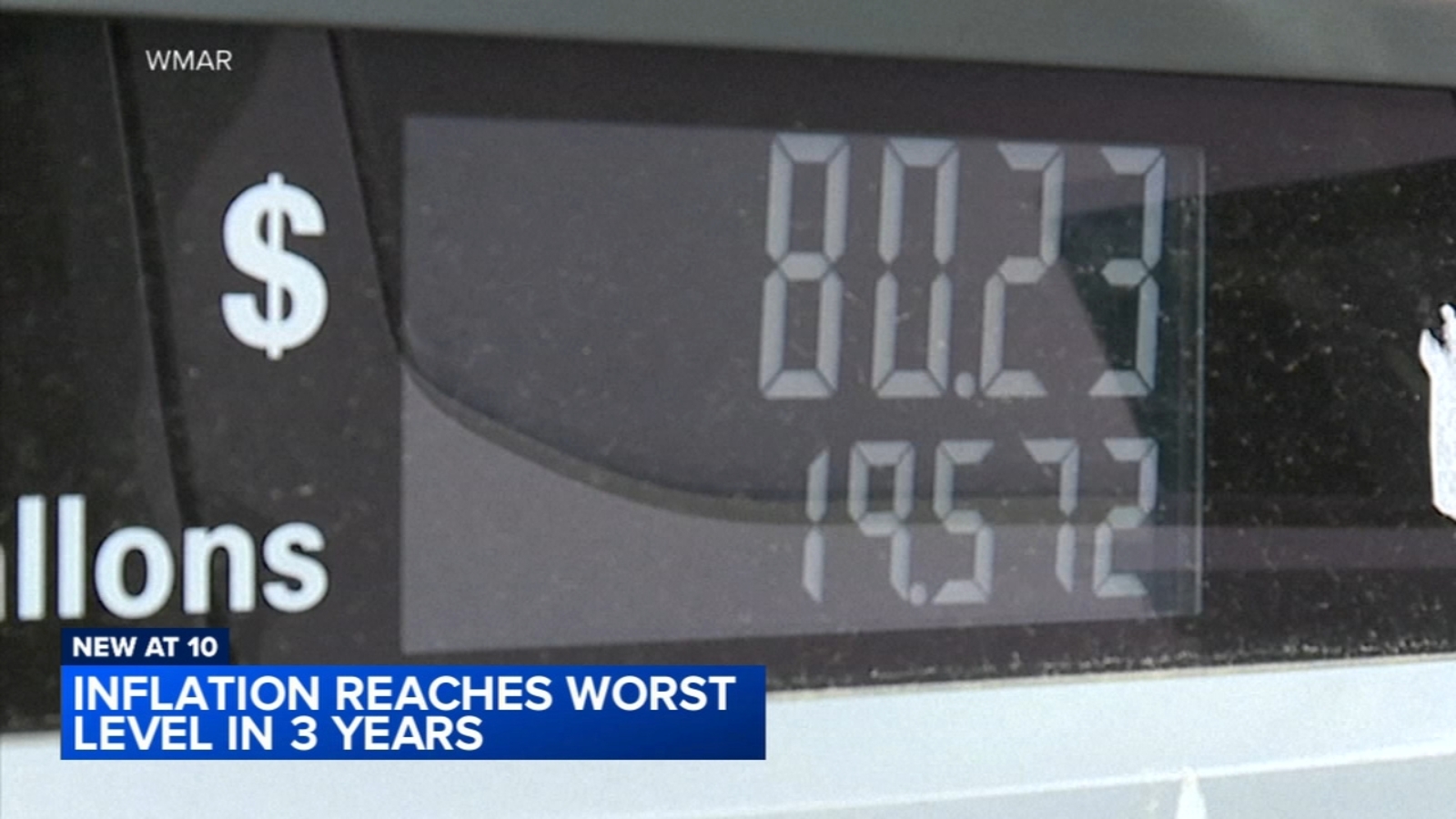
U.S. inflation accelerated to 3.8% in April year over year, the highest since May 2023, while core inflation rose to 3.3% from 3.2%. Monthly prices increased 0.4%, and real personal income fell 0.1% as real consumer spending rose just 0.1%, signaling mounting household strain. The report strengthens the case for the Fed to keep rates unchanged, with some officials even signaling a possible hike, while gasoline remains up more than 50% since the Iran conflict began.
The key second-order issue is not just higher inflation prints, but the mix: if energy, utilities, and services are all re-accelerating simultaneously, the Fed’s preferred disinflation path becomes much harder to re-establish. That raises the probability of a “higher for longer” rates regime turning into a re-pricing of the entire front end, with the most immediate casualty being rate-sensitive discretionary and housing-linked sectors. The market should treat this as a regime-risk event, not a one-print data surprise.
Households are likely to absorb the shock unevenly. Upper-income consumers can keep spending on travel, services, and tech capex, but middle- and lower-income cohorts will retrench first into private-label retail, discount channels, and essentials, which usually creates a late-cycle bifurcation in retail winners and losers. The more interesting second-order effect is margin pressure: companies with weak pricing power and heavy wage/energy input exposure will see earnings downgrades before volumes roll over, especially in consumer-facing service businesses.
The inflation impulse is also politically and geopolitically reflexive. If policymakers believe the current move is supply-driven and temporary, they may stay hawkish too long into slowing real incomes, increasing recession odds over the next 3-6 months. If instead the war-driven energy shock persists, the Fed’s credibility trade becomes asymmetric: they tolerate growth pain to avoid a second inflation wave, which supports real yields and the dollar while pressuring duration assets.
The contrarian angle is that consensus may be underestimating how narrow the growth base already is. AI-related capex and upper-income spending can keep headline GDP superficially resilient even as broad household demand weakens; that argues for a defensive macro stance rather than outright bearishness on the whole market. The best setup is to fade duration and consumer beta while staying selective on beneficiaries of sticky pricing and energy pass-through.
AI-powered research, real-time alerts, and portfolio analytics for institutional investors.
Request DemoOverall Sentiment
strongly negative
Sentiment Score
-0.55
