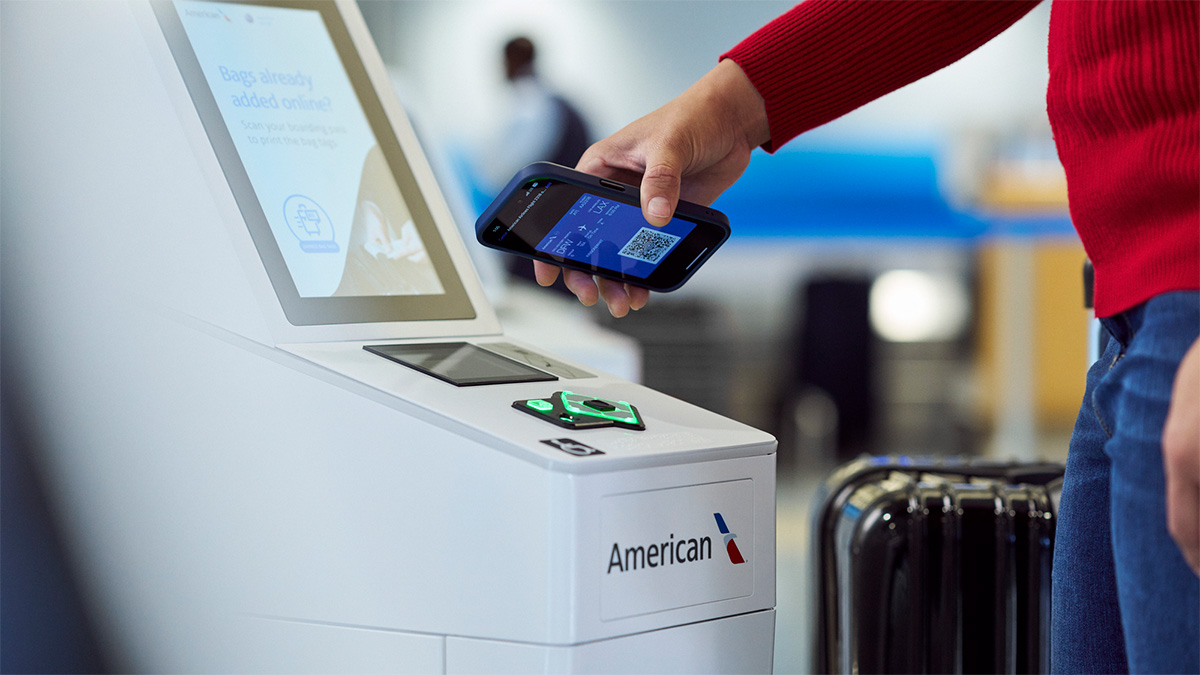
American Airlines is raising checked-bag fees effective April 9 (domestic: 1st bag $50 at airport/$45 prepaid; 2nd bag $60/$55; 3rd bag $200) and introducing further Basic Economy fee changes effective May 18 (Basic Economy domestic 1st bag $55/$50 prepaid; select South America markets first bag $70). AAdvantage status members, premium-cabin customers, active-duty military and most co-branded cardholders retain complimentary bags; Basic Economy loses certain perks (no complimentary/systemwide upgrades, seat selection for a fee, and modified boarding groups). The changes should modestly boost ancillary revenue but are unlikely to move the stock materially in the near term.
American’s move is best read as a profit-margin lever, not just a pricing tweak: by extracting more ancillary revenue and pushing customers toward prepaid purchase paths, the airline can raise yield per passenger while reducing unpredictable cash friction at airports. Because prepaid purchases are lower-cost to service and higher-margin than same-day transactions, expect a low-double-digit uplift to ancillary margin on incremental bag purchases once adoption stabilizes, with the bulk of the benefit visible within 2–3 quarters as booking funnels and co-brand card incentives reprice customer behavior.
The strategic second-order winner is the co‑brand ecosystem and loyalty program economics: tighter Basic Economy benefits and additional pay-for-seat options increase the marginal value of status and card benefits, improving retention and application economics for card issuers and raising swap/revenue-share flows to the airline. Competitors that rely on undifferentiated low fares without strong loyalty hooks (smaller LCCs or challengers without large co‑brand relationships) will face harder trade-offs between keeping base fares competitive and monetizing ancillaries; that dynamic favors legacy carriers with mature loyalty and bank partnerships.
Key risks are behavioral and regulatory. If customers systematically shift to carry-on only or migrate to competitors that advertise ‘‘no surprise fees’’, the revenue lift could be muted within a single quarter; operationally, airport-purchased bags create short-term throughput and staffing pressure that can depress on‑time performance and increase handling costs. Watch near-term earnings cadence and bookings curves: a sequential improvement in ancillaries versus stable unit revenue would confirm the thesis; a drop in load factors or regulatory headlines about fee transparency would reverse it quickly.
AI-powered research, real-time alerts, and portfolio analytics for institutional investors.
Request DemoOverall Sentiment
mildly positive
Sentiment Score
0.10
Ticker Sentiment
