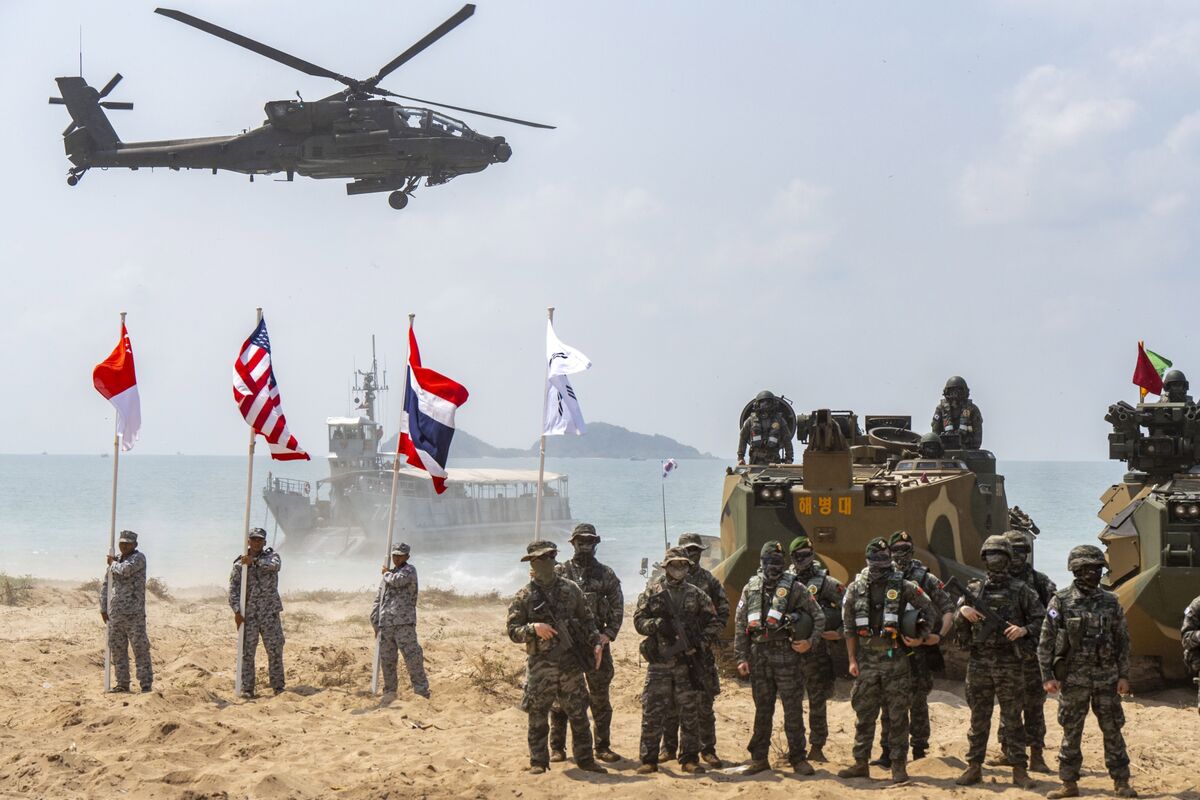
The Pentagon is restoring the name of the US Pacific Command, reversing the Indo-Pacific Command branding change made during Donald Trump’s first term. Officials said the command’s mission and geographic responsibilities remain unchanged, so the practical defense posture is intact. The move mainly raises questions about how the US is framing its Asia strategy rather than signaling an operational shift.
This is mostly a signaling event, but the signal is not trivial: naming reversals in defense bureaucracy usually happen when policy wants to de-emphasize a theater without formally changing force posture. That can create a near-term perception gap in Asia, especially among allies that watch labels as proxies for commitment intensity. The market implication is less about direct defense spend and more about a slightly higher probability of allied hedging, which can filter into procurement decisions, base-access negotiations, and industrial-policy localization over the next 6-18 months.
Second-order beneficiaries are non-US defense suppliers tied to regional self-help, especially Japanese, Korean, and Australian platforms that gain when partners diversify away from a single umbrella. US primes with deep Indo-Pacific exposure could also benefit if the move is interpreted as a reset that eventually forces more explicit burden-sharing and procurement commitments, but the timing is uncertain and likely uneven. The losers are diplomacy-sensitive contractors and infrastructure/logistics names that rely on smooth coalition coordination; if allies perceive strategy drift, deal cycles can lengthen even when budgets rise.
The main risk is that the policy change is dismissed as cosmetic and quickly reversed by a future administration, which would collapse any attempt to trade it as a durable strategic shift. The more interesting tail risk is the opposite: if this becomes part of a broader reprioritization away from Asia, then over 12-24 months you could see more Asian autonomous capability spend, more domestic industrial policy, and less reliance on U.S.-anchored platform assumptions. In that scenario the upside is in local defense supply chains and selected cyber/ISR names rather than broad US defense beta.
Consensus is likely overindexing on the headline and underpricing the institutional inertia beneath it. The physical deployment and funding reality matters more than the label, so this is not a clean bearish or bullish call on U.S. defense; it is a relative-value setup around who gains from uncertainty. If allies respond by accelerating sovereign procurement, the largest winners may be companies not explicitly associated with the U.S. Pacific posture at all.
AI-powered research, real-time alerts, and portfolio analytics for institutional investors.
Request DemoOverall Sentiment
neutral
Sentiment Score
0.00
