

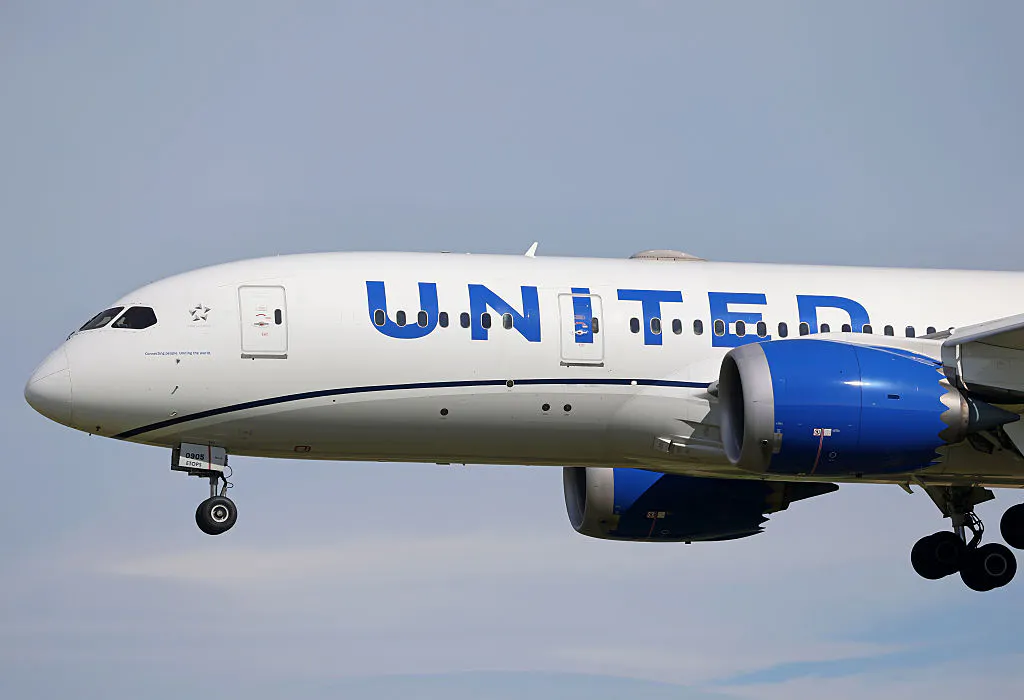
American Airlines jumped more than 5% in premarket trading after reports that United CEO Scott Kirby floated a possible merger between United and American. The proposed tie-up would create the world’s largest airline by capacity and likely face major antitrust scrutiny from the DOJ and DOT, with regulators signaling any large deal could require divestitures. United shares were also up roughly 2% as investors weighed the strategic optionality amid higher jet fuel costs and industry disruption.
The market is pricing the headline as a free call option on consolidation, but the more important second-order effect is that a credible merger narrative can itself improve financing access and bargaining power without a deal ever closing. For AAL, any sustained takeout speculation lowers perceived bankruptcy/dilution risk at the margin, which matters because the equity has more balance-sheet beta than earnings beta right now. UAL benefits less from synergy math and more from optionality: if regulators allow even a partial asset swap or gate/route divestiture, UAL can pick up strategic slots and loyalty economics at a discount.
The bigger loser, if the rumor persists, is not another airline but the entire domestic pricing discipline setup. Even a failed process can trigger capacity restraint by peers who fear being the next target or who expect a softer industry structure, which is bullish for RASM across the group over the next 1-2 quarters. However, if fuel keeps grinding higher, the merger story becomes a financing story rather than a growth story; in that regime, leveraged balance sheets get punished first and any rally in AAL is vulnerable to reversal if hedge costs or forward demand estimates weaken.
The contrarian angle is that antitrust uncertainty may actually make the rumor more useful than a real transaction. A fully blocked deal still forces both carriers and regulators to talk about asset remedies, which can produce partial value transfer through airport slots, regional feed, or loyalty partnerships with far less execution risk than an outright merger. In other words, the market may be underestimating the odds of a “structured compromise” outcome and overestimating the probability of a clean yes/no verdict.
Near term, the setup is most tradable as a sentiment event rather than a fundamental rerate: AAL likely has the higher squeeze potential, while UAL’s upside is more muted because it is already the presumed acquirer. Over months, the key catalyst is whether management teams use the noise to tighten capacity or whether the DOJ/DOT explicitly shut the door, which would pull the premium back out quickly.
AI-powered research, real-time alerts, and portfolio analytics for institutional investors.
Request TrialOverall Sentiment
mildly positive
Sentiment Score
0.35
Ticker Sentiment
