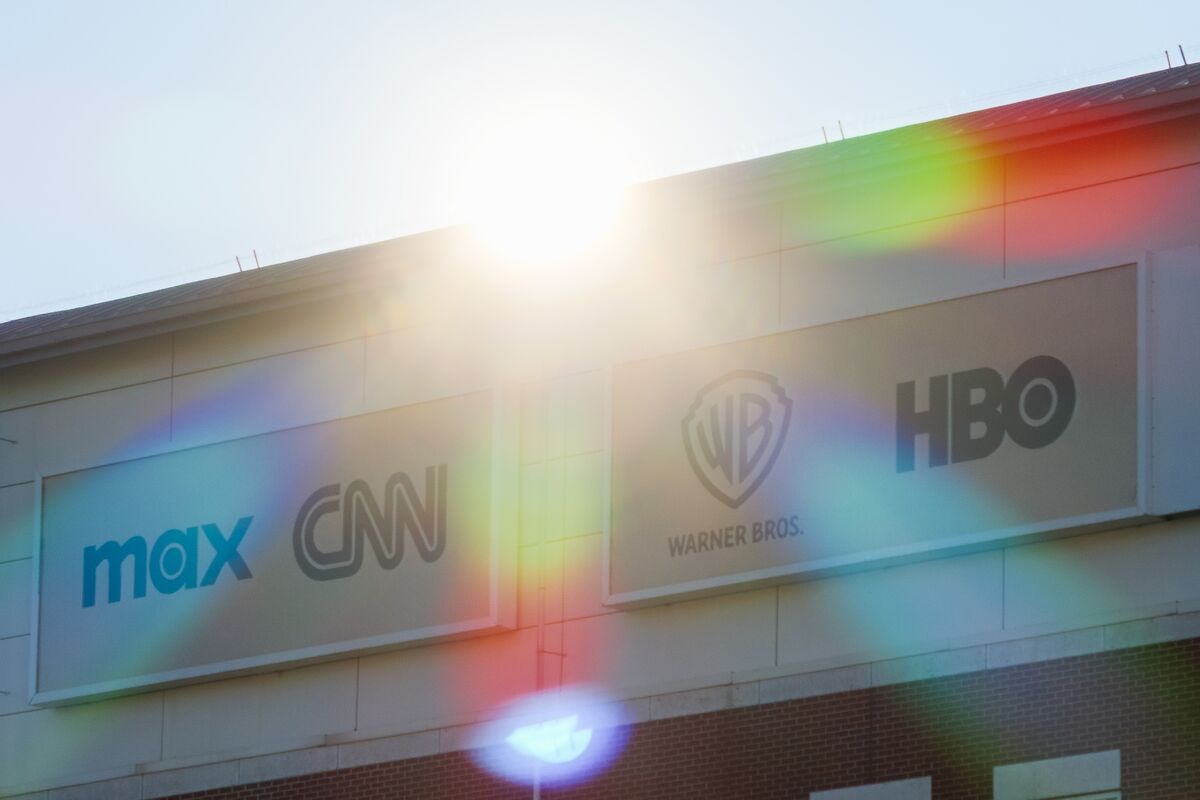
Paramount Skydance’s $111 billion bid for Warner Bros. Discovery is heading toward a possible UK antitrust probe, with the Competition and Markets Authority preparing to launch a phase 1 investigation in the coming weeks. The regulator has asked for views on the merger’s impact on British consumers, signaling an early but meaningful review risk. The news adds execution and timing uncertainty to one of the largest media deals in the market.
The UK review matters less for whether this deal ultimately closes than for how long it keeps a strategic asset in limbo. That tends to bleed value through time decay: financing commitments age, management bandwidth gets diverted, and the market starts pricing a wider probability distribution on remedies, which compresses multiple expansion in the target rather than causing a clean binary rerate. For WBD, the more important second-order effect is that every incremental jurisdictional review raises the odds of concessions that weaken the strategic logic of the combination, especially if regulators force packaging changes, behavioral commitments, or a partial asset divestiture. The competitive dynamic is that standalone rivals benefit from uncertainty. If the transaction drags into a multi-month process, ad buyers, distributors, and talent will treat WBD as a distracted incumbent, which can slow integration decisions and preserve pricing power for peers. The hidden loser is likely the combined entity’s synergy narrative: even a modest delay reduces the present value of promised cost cuts and revenue cross-sells by forcing a higher discount rate and increasing execution risk. That makes the market more sensitive to each additional procedural milestone than to the headline antitrust process itself. The contrarian view is that the market may be underestimating how much of the regulatory overhang is already embedded in WBD’s valuation. A phase-1 UK review is not yet a substantive block, and if the process remains procedural, the stock could stabilize once investors realize the issue is timing rather than finality. The real catalyst to watch is not the initial inquiry but whether the CMA signals remedies early; a clean path would likely tighten spreads quickly, while any hint of a phase-2 referral would reopen downside over the next 1-3 months.
AI-powered research, real-time alerts, and portfolio analytics for institutional investors.
Overall Sentiment
mildly negative
Sentiment Score
-0.15
Ticker Sentiment
