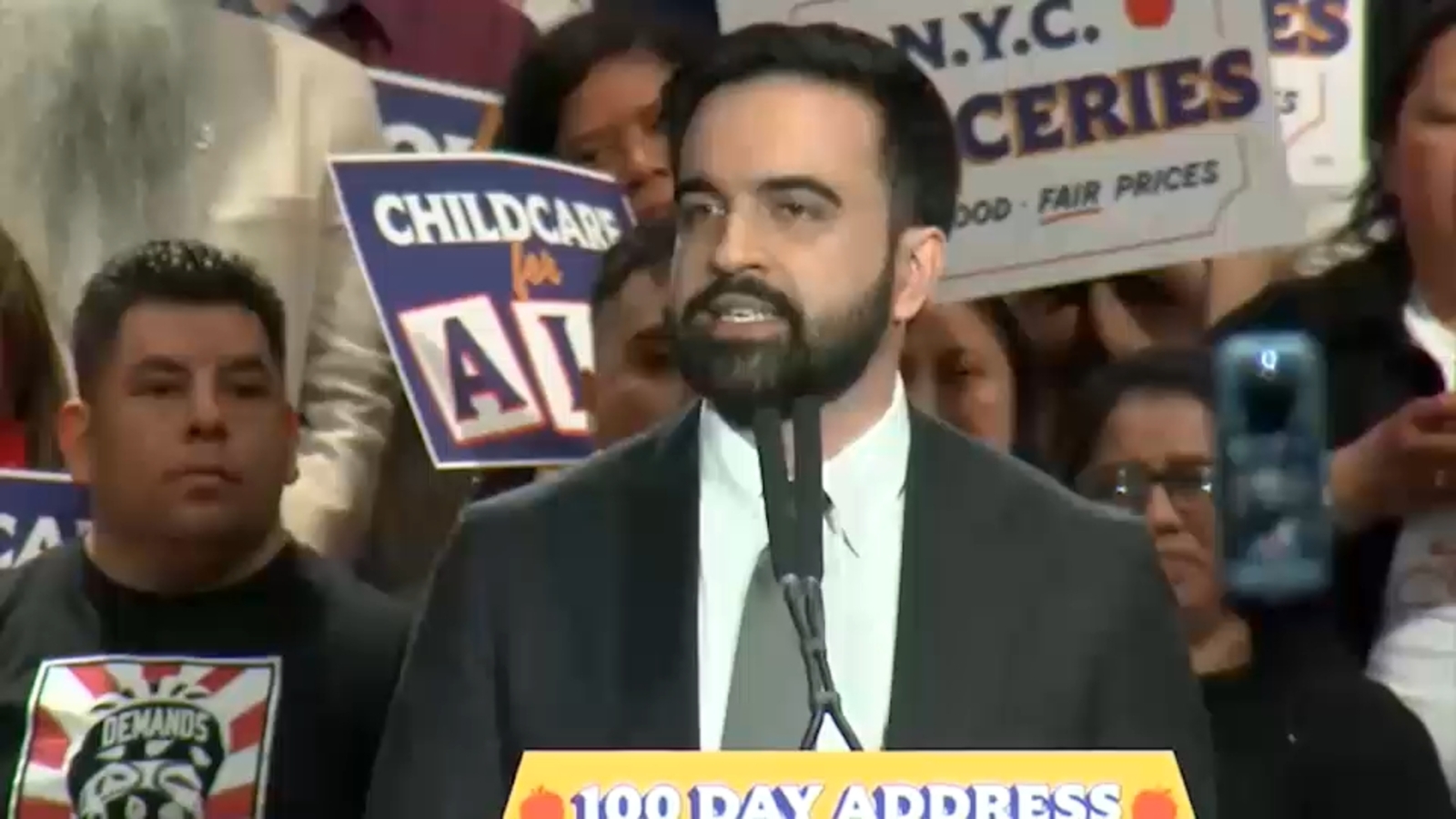
Mayor Zohran Mamdani unveiled a plan to open five city-run grocery stores, starting with a location at La Marqueta in East Harlem as soon as next year. The proposal is aimed at lowering grocery prices, but bodega owners warn it could pressure private retailers and create long lines at subsidized stores. The article is primarily a local policy and political story with limited immediate market impact.
The first-order read is political theater, but the second-order effect is more interesting: this is a visible price-control signal in a category where margins are already structurally thin and consumer switching costs are low. The likely near-term winners are not the city stores themselves but adjacent value chains that can absorb traffic without bearing political risk: discounters, wholesalers, private-label suppliers, and landlords with grocery-anchored foot traffic in underserved areas. The losers are neighborhood independents with limited purchasing power and no subsidy buffer, especially if the city uses a narrow basket strategy that anchors price expectations across the entire block.
Operationally, the biggest risk is not profitability but service quality. A subsidized store with constrained unit count can create queue economics: lower sticker prices but higher time cost, which means the benefit accrues disproportionately to flexible, lower-time-value households while higher-income consumers and working commuters revert to private options. That can pressure private competitors only at the margin, but if the model is politicized and under-stocked, it may end up validating the market rather than displacing it.
For investors, the key catalyst is whether the program scales beyond a pilot into a budget line item with union labor, inventory subsidies, and lease commitments over the next 6-18 months. If that happens, the story broadens from retail optics to municipal fiscal leakage and procurement inefficiency, which can become a local governance issue rather than a consumer one. The contrarian takeaway is that the headline sounds anti-retail, but the most durable impact may be a modest subsidy to food retail demand in the most price-sensitive ZIPs, not a structural threat to the sector.
The cleanest setup is to fade the headline risk rather than chase a sector-wide short: any selloff in grocery REITs or broad consumer staples tied to this policy should be bought if it creates a dislocation bigger than 1-2% in names with diversified urban exposure. The real trade is in small-cap regional operators and local bodega supply chains, where sentiment can overshoot fundamentals if investors assume a larger footprint than the economics can support.
AI-powered research, real-time alerts, and portfolio analytics for institutional investors.
Request TrialOverall Sentiment
neutral
Sentiment Score
0.05
