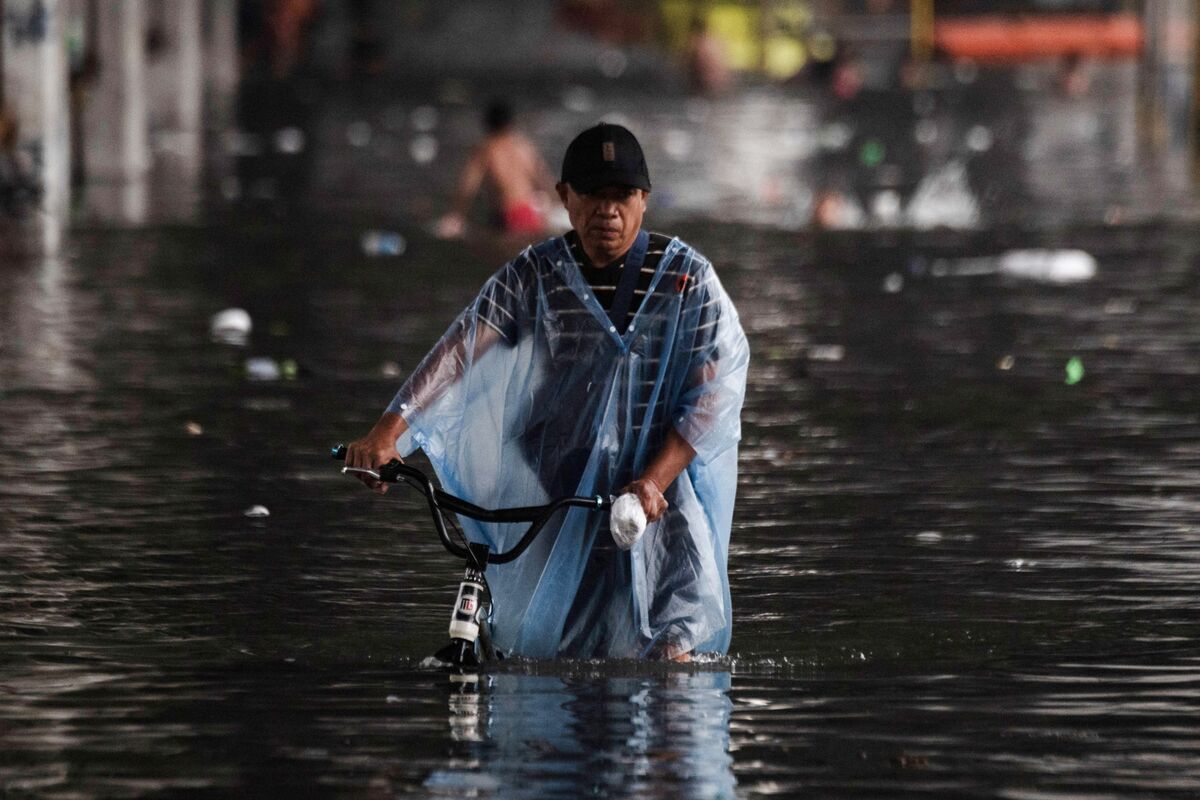
The Philippines' Public Works Secretary Vince Dizon revealed that a government probe into the misuse of public funds for flood control projects over the past decade could uncover losses totaling trillions of pesos. This investigation, initiated by President Ferdinand Marcos Jr., highlights widespread corruption and its substantial financial implications for the disaster-prone nation.
The Philippine government's investigation into alleged corruption within flood control projects signals a significant escalation of sovereign and political risk. Public Works Secretary Vince Dizon's statement that misappropriated funds could amount to trillions of pesos over the last decade highlights a potentially systemic governance failure with severe fiscal implications. For a nation frequently impacted by natural disasters, the diversion of such a substantial sum from critical infrastructure undermines economic resilience and strains the national budget. The high-level probe, initiated by President Ferdinand Marcos Jr., suggests political will to address the issue, but also risks creating significant political instability as the 10-year scope could implicate numerous past and present officials. The strongly negative sentiment and high market impact score underscore the gravity of the situation, which could erode investor confidence in the country's public institutions and rule of law.
AI-powered research, real-time alerts, and portfolio analytics for institutional investors.
Request DemoOverall Sentiment
strongly negative
Sentiment Score
-0.85
