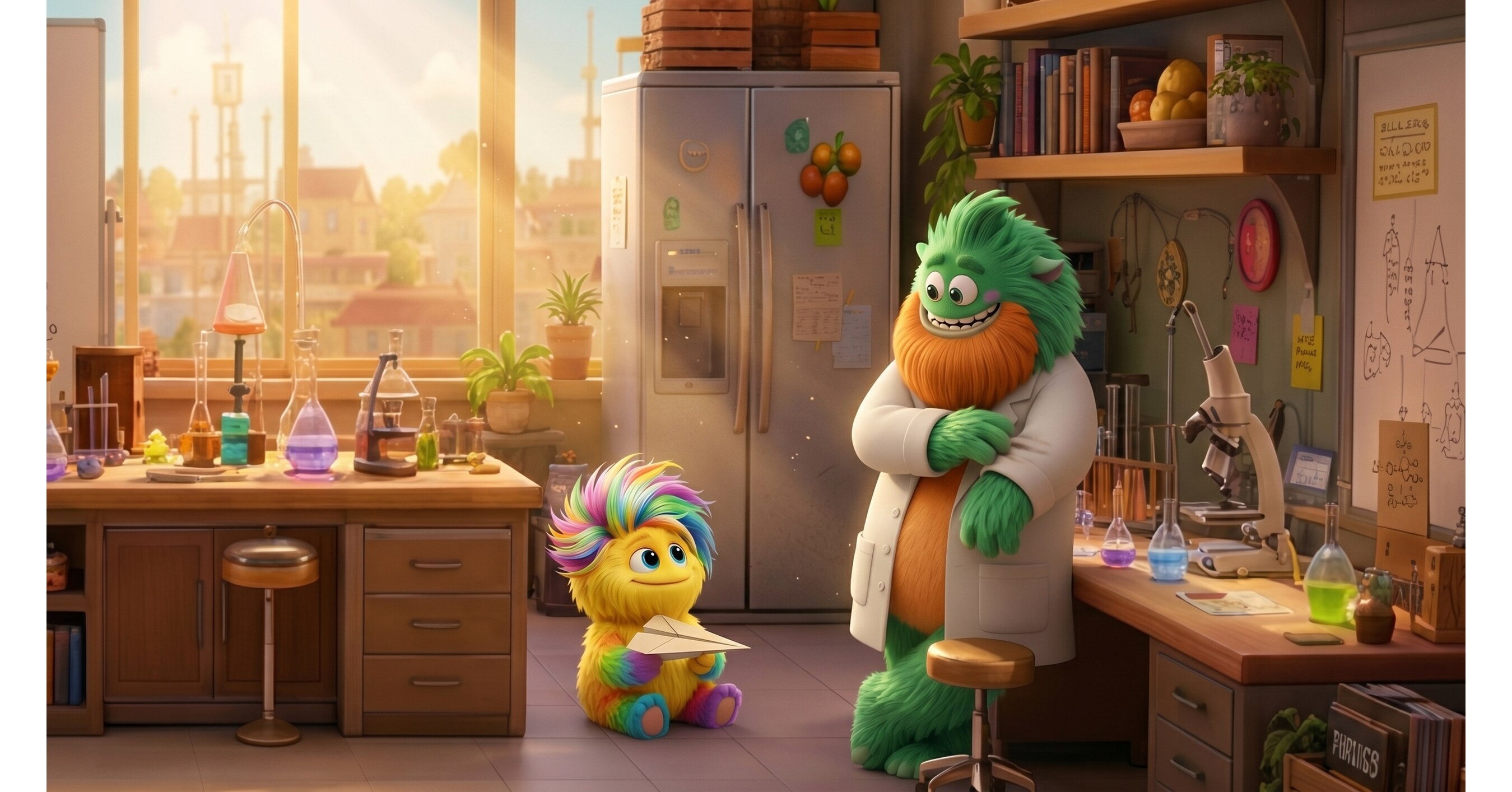
IvyBears indique avoir dépassé 2,5M d’abonnés YouTube et 40M de vues cumulées, avec le chapitre 3 « L’idole volée » atteignant 3M de vues en trois jours. La marque annonce une diffusion mensuelle d’épisodes, de nouveaux personnages, et le lancement à venir de « The Dr. Muppy Show », une série ludo-éducative pour la petite enfance, avec une saison complète d’ici T4 2026. Le modèle de franchise démarre par les produits dérivés (présence >60 pays) avant l’expansion écran, soutenu par un studio de production (Moontrail) utilisant des flux de travail assistés par l’IA.
For GOOGL, the immediate P&L impact is negligible, but the strategic signal is modestly positive: YouTube is reinforcing itself as the cheapest global incubator for family IP, which can pull more creators, hours, and repeat viewing onto the platform before any downstream licensing occurs. That matters because the economic value here is not the incremental ad revenue from one franchise; it is the evidence that YouTube can host long-tail, bingeable kids content that improves retention and strengthens the CTV/Shorts funnel over 6-18 months.
The competitive read-through is more important than the single-brand story. If independent franchises can validate audience demand on YouTube first, Google effectively becomes an upstream discovery layer that competes with Netflix, Disney, Amazon Kids+, and smaller children’s media studios on distribution efficiency rather than content budget. The second-order effect is a possible increase in low-cost supply of animated content, which benefits YouTube’s engagement machine but also compresses economics for standalone kids IP owners that lack platform leverage.
The contrarian risk is that market participants will overread view counts as monetization. Kids/family content tends to face weaker ad yield, stricter targeting rules, and more regulatory friction than general entertainment, so viral engagement can be structurally less valuable than it looks. The thesis is falsified if YouTube watch-time or ad RPM does not improve in upcoming quarters, or if child-content regulation tightens and caps monetization faster than content supply scales.
AI-powered research, real-time alerts, and portfolio analytics for institutional investors.
Overall Sentiment
mildly positive
Sentiment Score
0.25
Ticker Sentiment
