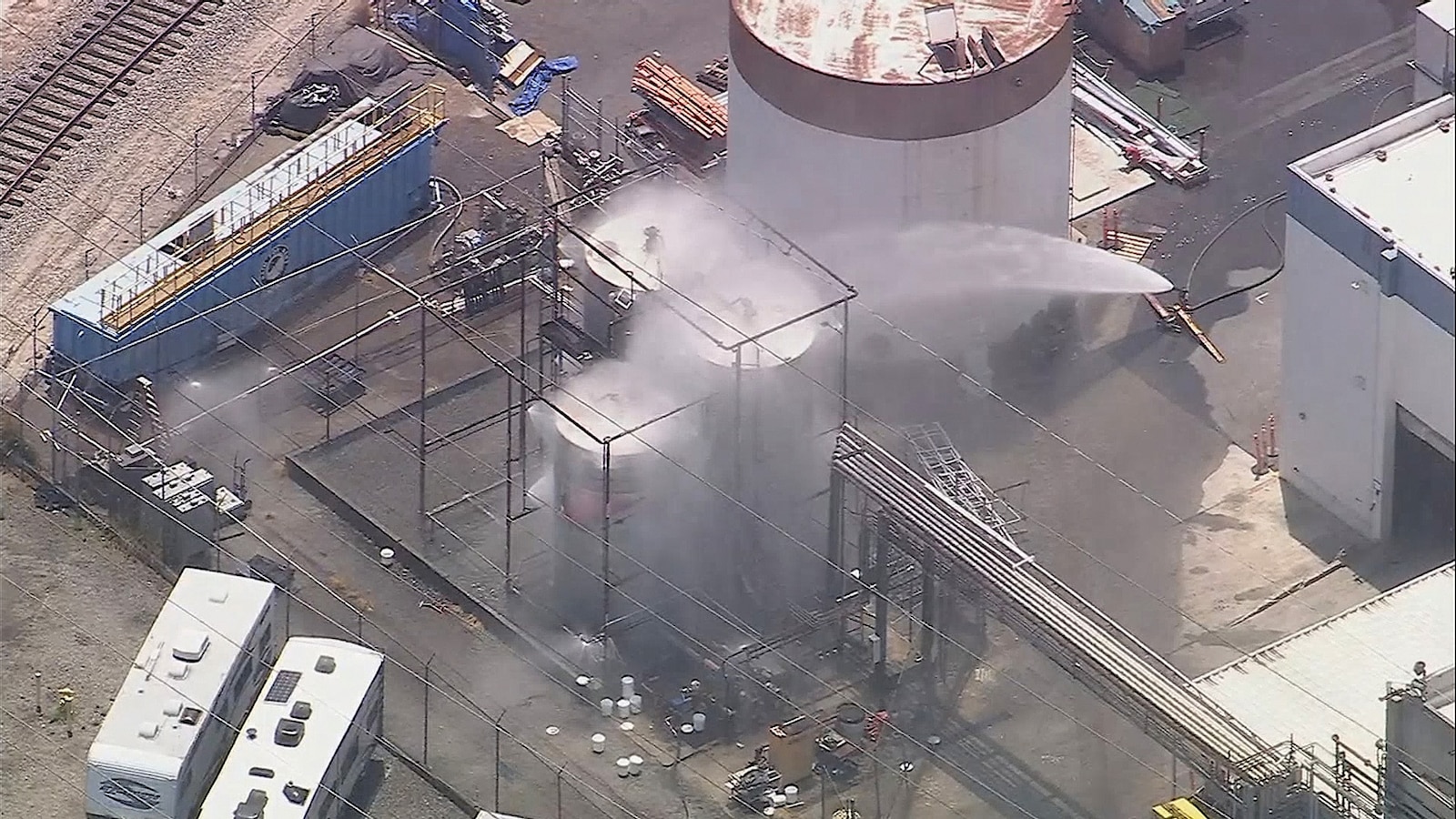
Evacuation orders were expanded around a Garden Grove aerospace facility after a 34,000-gallon methyl methacrylate tank was deemed to be in crisis, with officials warning it may either fail and spill 6,000-7,000 gallons or go into thermal runaway and explode. More than 40,000 people are impacted, over a dozen schools closed, and authorities said there is still no clear timeline for residents to return. The incident involves GKN Aerospace and has drawn monitoring support from California state emergency officials.
The immediate equity impact is less about the incident itself than the operational backlog it creates around a concentrated aerospace manufacturing node. Even if the chemical event is contained, evacuation and shutdown risk can ripple into late-stage production, quality checks, and outbound logistics for nearby suppliers, which is where the second-order pain tends to show up first. For industrials tied to aerospace defense programs, a few days of disruption is usually noise; the bigger issue is whether this becomes a template for tighter hazardous-material enforcement across California manufacturing sites, raising compliance costs and inspection frequency.
For GE, the read-through is indirect but relevant through aerospace supply-chain sensitivity rather than direct liability. Any added friction in component flow or plant uptime can lengthen lead times for jet engine and nacelle-related inputs, which matters more in a market already obsessed with delivery timing and working capital discipline. The negative impact should be modest unless the incident triggers a wider local regulatory audit or forces requalification of suppliers, which could stretch from weeks into a multi-quarter delay vector.
The contrarian point is that the market may overestimate the probability of a broad industrial contagion while underestimating the policy response. These events often accelerate investment in safer chemical storage, remote monitoring, and facility modernization, which is supportive for industrial automation, controls, and specialty environmental services rather than a clean negative for manufacturing broadly. Near-term panic may create a small window to fade knee-jerk weakness in aerospace/industrial names if the incident remains localized and no contamination or litigation tail emerges.
The real tail risk is litigation and regulatory precedent: if evacuations, school closures, or any injury claims materialize, the episode can evolve from a one-off safety event into a months-long legal overhang for the operator and neighboring tenants. That would not just hit direct parties; it can also harden insurance pricing and hazardous-material compliance standards across Southern California industrial parks, with a lagged cost pass-through to tenants and landlords.
AI-powered research, real-time alerts, and portfolio analytics for institutional investors.
Request DemoOverall Sentiment
strongly negative
Sentiment Score
-0.82
Ticker Sentiment
