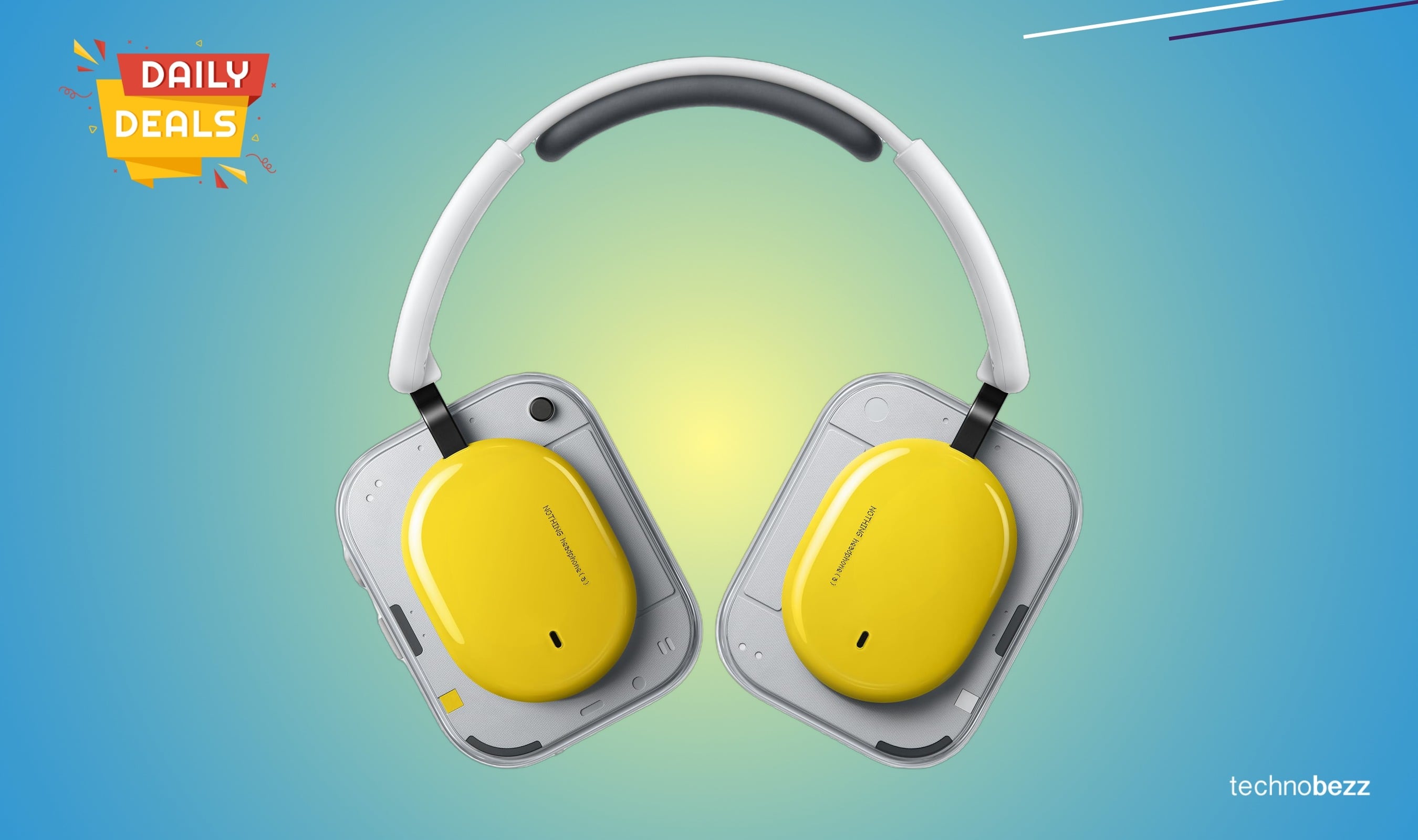
Nothing Headphone 2026 has dropped to $179.10, down $19.49 and about 10% below its recent average of $198.59. The over-ear headphones feature adaptive active noise cancellation, 75-hour battery life with ANC on, LDAC support, and five microphones, making the deal more attractive for value-conscious buyers. The article is primarily a retail deal roundup, so the broader market impact is limited.
The important signal here is not the product itself, but the elasticity of demand at the sub-$200 premium-audio tier. A move to the high-$170s suggests the category is already in a price war phase where differentiated features are being monetized through promo cadence rather than list-price durability. That tends to favor brands with strong direct-to-consumer channels and app ecosystems, while squeezing weaker incumbents that rely on retail shelf economics and higher gross-margin assumptions.
The second-order effect is inventory risk for adjacent competitors: if one model can clear meaningfully below $180 without appearing distressed, then other over-ear ANC SKUs in the $180-$250 band likely need to match on discount depth or bundle value within 2-6 weeks. That compresses channel margins across the segment and can pull forward demand rather than create new unit growth, which is usually a warning sign for the category’s near-term revenue quality. The beneficiary is likely the ecosystem owner that can use software, app lock-in, and accessory attach rates to preserve lifetime value even as hardware ASPs soften.
From a product-cycle lens, this is supportive for mass-premium audio adoption but not a strong read-through for the most expensive audiophile brands; consumers are being trained that 'good enough' ANC and battery life can be had at a much lower price point. Over 3-12 months, that can pressure ASPs across the category and make launch pricing less credible, especially if retailers keep using headline discounts to generate traffic. The main reversal risk is if the promo is a one-off clearance event rather than a channel-reset; in that case, the signal fades quickly and should not be extrapolated.
The contrarian view is that this may be more bullish for the category than bearish for incumbents: lower entry pricing can expand the addressable market and convert consumers who were previously sitting out. If promotional pricing stays disciplined, the industry can still grow units even while reported ASPs flatten, which would favor brands with strong attach rates and repeat purchase behavior over pure hardware margin stories.
AI-powered research, real-time alerts, and portfolio analytics for institutional investors.
Request DemoOverall Sentiment
mildly positive
Sentiment Score
0.25
