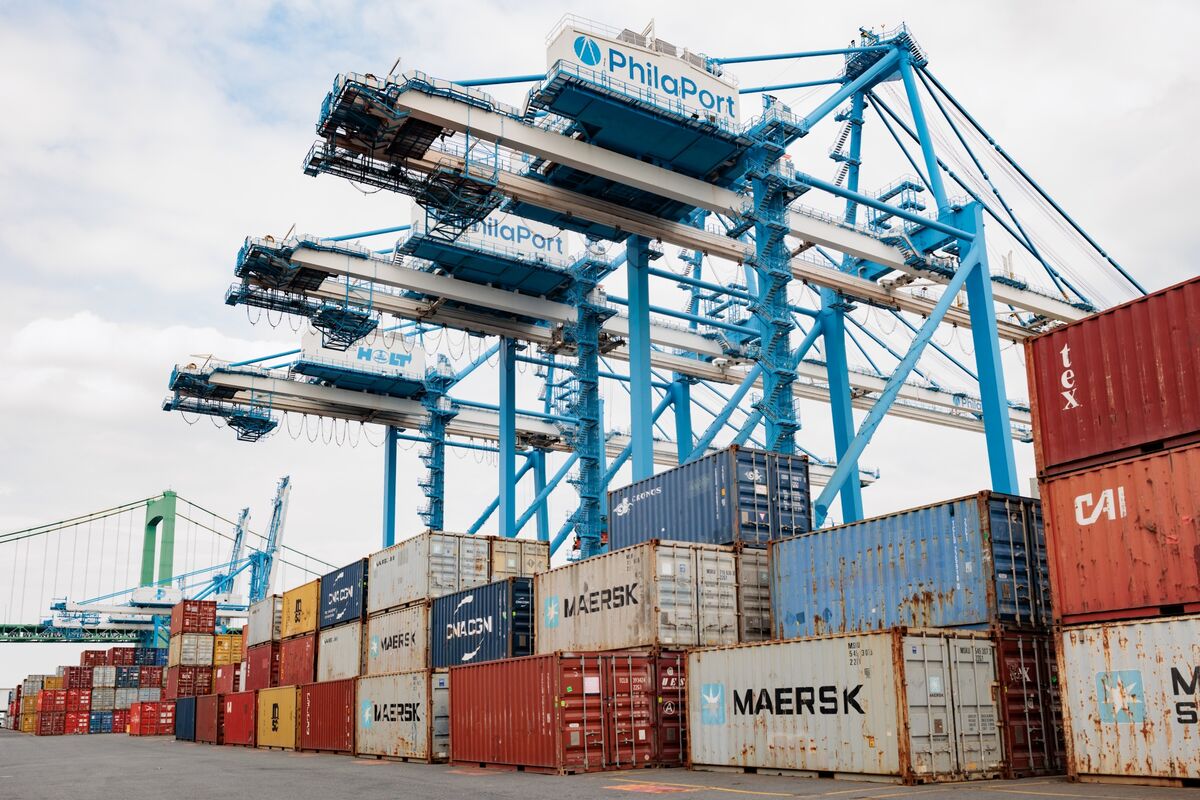
The U.S. is moving to implement a one-year pause on penalties targeting China's shipbuilding industry, a key concession in an interim trade pact with President Xi Jinping. This initiative, for which the U.S. Trade Representative is soliciting feedback, involves suspending tariffs on imported ship-to-shore cranes and chassis from China, alongside a halt to fees on Chinese-built and -operated merchant ships calling at American ports.
The U.S. Trade Representative's office is soliciting feedback on a proposed one-year suspension of tariffs on Chinese ship-to-shore cranes and chassis, alongside a pause on fees for Chinese-built and -operated merchant ships at American ports. This initiative represents a significant concession within an interim trade pact between the U.S. and China, signaling a potential de-escalation in trade tensions. This temporary policy shift is expected to foster stability within the transportation and logistics sectors by reducing operational costs for port operators and shipping companies reliant on Chinese equipment and services. The moderately positive sentiment and optimistic tone suggest a favorable, albeit cautious, market reaction to this development. While the one-year duration indicates a temporary measure rather than a permanent policy change, it offers short-term relief and improved predictability for supply chains. However, the underlying geopolitical and trade policy uncertainties between the two nations are likely to persist beyond this concessionary period.
AI-powered research, real-time alerts, and portfolio analytics for institutional investors.
Request DemoOverall Sentiment
moderately positive
Sentiment Score
0.50
