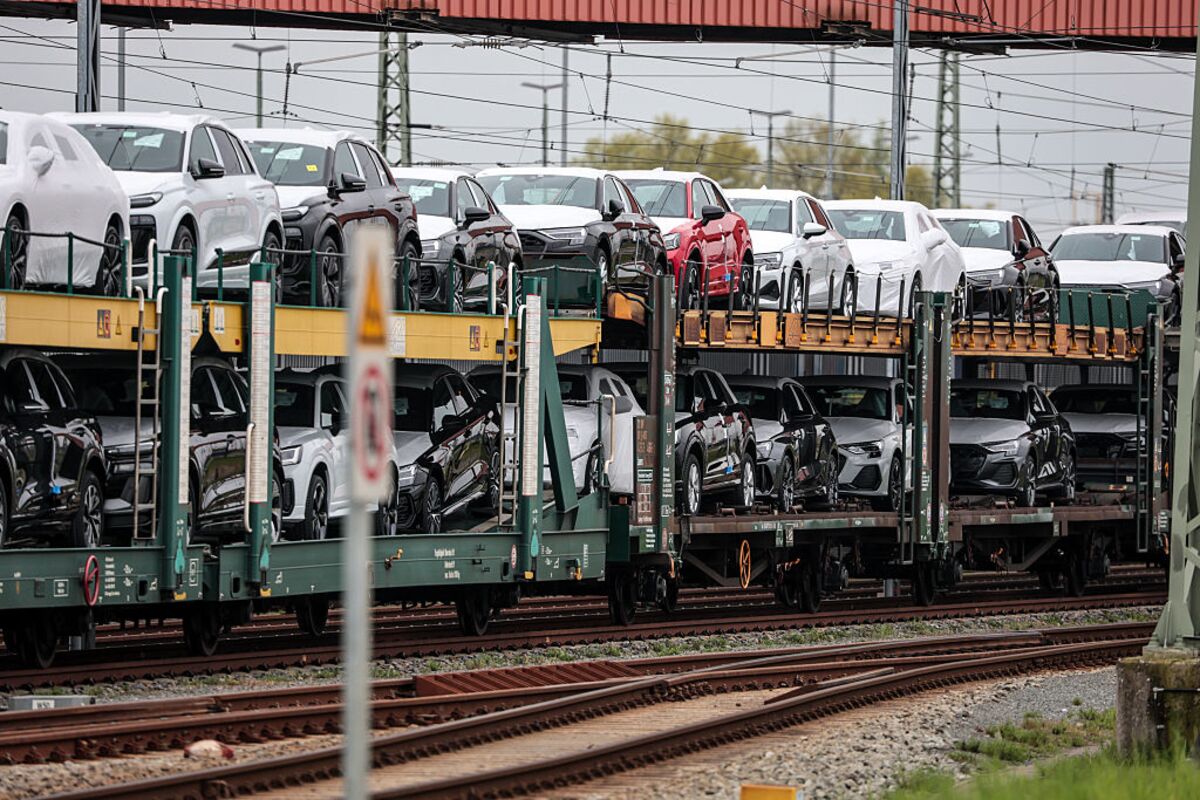
The European Union has extended the suspension of its trade countermeasures against the United States until August 1st, as announced by European Commission chief Ursula von der Leyen. This move aims to facilitate further negotiations, preventing the automatic reinstatement of EU retaliatory tariffs—originally imposed in response to US steel and aluminum duties—and follows former President Trump's threat of a new 30% tariff rate on the bloc, signaling a temporary de-escalation in transatlantic trade tensions.
The European Union's decision to extend its suspension of trade countermeasures against the US until August 1 represents a tactical de-escalation in transatlantic trade friction. This move, which averts the automatic reinstatement of retaliatory tariffs on US goods, is a direct response to a threat of a new 30% tariff from former President Donald Trump and is intended to create space for further negotiations. While the extension provides temporary relief for sectors that would be impacted, the short timeframe underscores the fragility of the truce. The situation remains fluid and highly sensitive to political developments, indicating that the underlying dispute over steel and aluminum tariffs is unresolved and continues to pose a risk to transatlantic commerce.
AI-powered research, real-time alerts, and portfolio analytics for institutional investors.
Request DemoOverall Sentiment
mildly positive
Sentiment Score
0.30
