
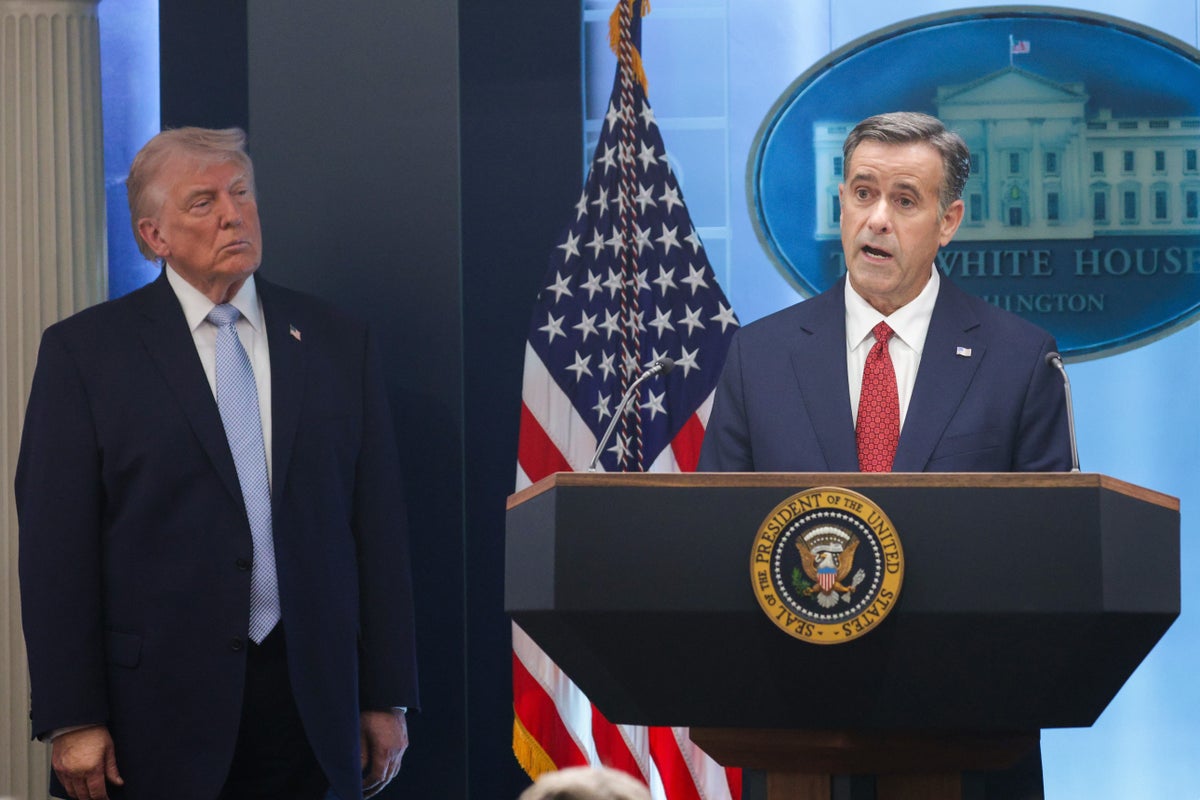
The House approved a 10-day renewal of Section 702 surveillance authority, extending the program until April 30 after Republicans failed to pass longer extensions. The late-night vote followed GOP infighting over a five-year reauthorization and an 18-month clean renewal, with the measure now heading to the Senate in a rare Friday session. The dispute underscores an ongoing privacy-versus-national-security debate, but the immediate market impact is limited to policy risk around U.S. intelligence authorities.
The immediate market read-through is not about the surveillance authority itself but about congressional execution risk. A late-night near-failure followed by a stopgap signals that any policy asset tied to routine reauthorization now carries higher premium for process volatility, which matters for defense/intelligence contractors, compliance vendors, and cybersecurity names with federal exposure. The practical effect is a shorter visibility window: agencies can operate, but the repeated need for last-minute patches increases the odds of procedural concessions that gradually tighten collection capabilities over the next 6-18 months.
Second-order, the episode strengthens the case for vendors selling auditability, logging, legal review, and data-governance tools rather than pure collection infrastructure. If lawmakers keep forcing oversight features into renewals, budgets should migrate toward systems that help agencies document query chains and reduce misuse risk. That is a slow-burn tailwind for cybersecurity/data privacy software, while traditional intelligence-adjacent primes face more binary political risk because their revenue is less insulated from authorization churn.
The contrarian view is that the market may be overestimating the downside to the surveillance ecosystem. Short extensions create noise, but they also make eventual renewal more likely because the practical cost of lapse is politically unacceptable; that favors a “messy but continuing” base case rather than structural rollback. The bigger risk is not expiry in the next few days, but an accumulation of oversight amendments that reduce operational flexibility and compress optionality for agencies over the next year.
AI-powered research, real-time alerts, and portfolio analytics for institutional investors.
Request TrialOverall Sentiment
neutral
Sentiment Score
-0.05
Ticker Sentiment
