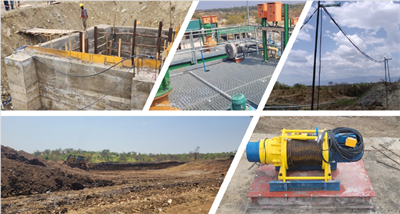
Akobo Minerals reported January 2026 production of approximately 8 kg of gold (≈USD 1.2m) with cumulative doré production of ~81 kg and a blended material stock of ~500 tonnes valued at ~USD 1.6m at current gold prices. Operations at the Segele mine are stable, vertical shaft development is progressing with ~80 metres remaining to final depth, and the company says its ~9,500-ounce gold loan structure and repayment profile (to mid‑2027) are unchanged; higher gold prices are boosting operating margins and free cash flow and the plant is planned to move to continuous 24/7 operation once the shaft is completed.
Market structure: Akobo (AKOBO/AKOBF) is a direct beneficiary of sustained high gold prices — each $100/oz rise adds rough incremental cash of ~$250–300k/year at current production run‑rates — while capital‑constrained, high‑grade juniors and shaft‑sinking contractors (conveyance, civils) also win. Larger, hedged gold majors (e.g., NEM, GOLD) and gold lease counterparties see less incremental profit; global short‑term gold supply remains inelastic so price shocks amplify junior cash flows more than majors. Cross‑asset: higher gold tends to compress real yields, buoy commodity FX (AUD/CAD) and depress sovereign high‑yield spreads; small‑cap miner equities will show idiosyncratic volatility versus GLD/GDX proxies.
Risk assessment: Tail risks include Ethiopian regulatory/licence actions, security or fatal shaft incidents, and orebody underperformance — assign a 5–15% near‑term probability of a material operational disruption and a 10–20% chance of capital shortfall before shaft completion. Timeframes: immediate (0–90 days) — stable monthly production (~8 kg) and execution cadence; short (3–12 months) — critical shaft sinking (~80m remaining) and transition to continuous 24/7 processing; long (>12 months) — reserve conversion and gold‑loan ounce repayment by mid‑2027. Hidden dependencies: repayment is tied to ounce production (not cash), so any rate slip delays loan drawdown and may necessitate equity or in‑kind financing.
Trade implications: Direct play — establish a small, size‑constrained long in AKOBO (AKOBF/AKOBO) 1–2% NAV with tight operational triggers: add to position on confirmed shaft completion within 6 months or monthly production >10 kg (≈322 oz). Options proxy — buy a 6–12 month bullish call spread on GDX (e.g., buy Oct 2026 30/40 calls) to capture leveraged gold upside while limiting premium. Pair trade — long AKOBO / short GDX (not more than 1:1 dollar hedge) to isolate company execution vs metal price exposure. Exit/stop rules: hard stop at -40% from entry on AKOBF; take profits on 2–3x move or upon reserve upgrade announcement.
Contrarian angles: The market underprices execution optionality from high grade (22.7 g/t) + open‑at‑depth mineralisation — successful shaft commissioning could re‑rate the stock materially (2–5x) despite small current production. Conversely, consensus may be complacent: elevated gold prices can mask operational failings, so liquidity and governance risk deserve >20% haircut in valuation models. Historical parallels (small African high‑grade juniors) show binary outcomes: rapid rerating on technical success but permanent impairment if development stalls; therefore size positions to reflect skew rather than conviction.
AI-powered research, real-time alerts, and portfolio analytics for institutional investors.
Request DemoOverall Sentiment
moderately positive
Sentiment Score
0.45
