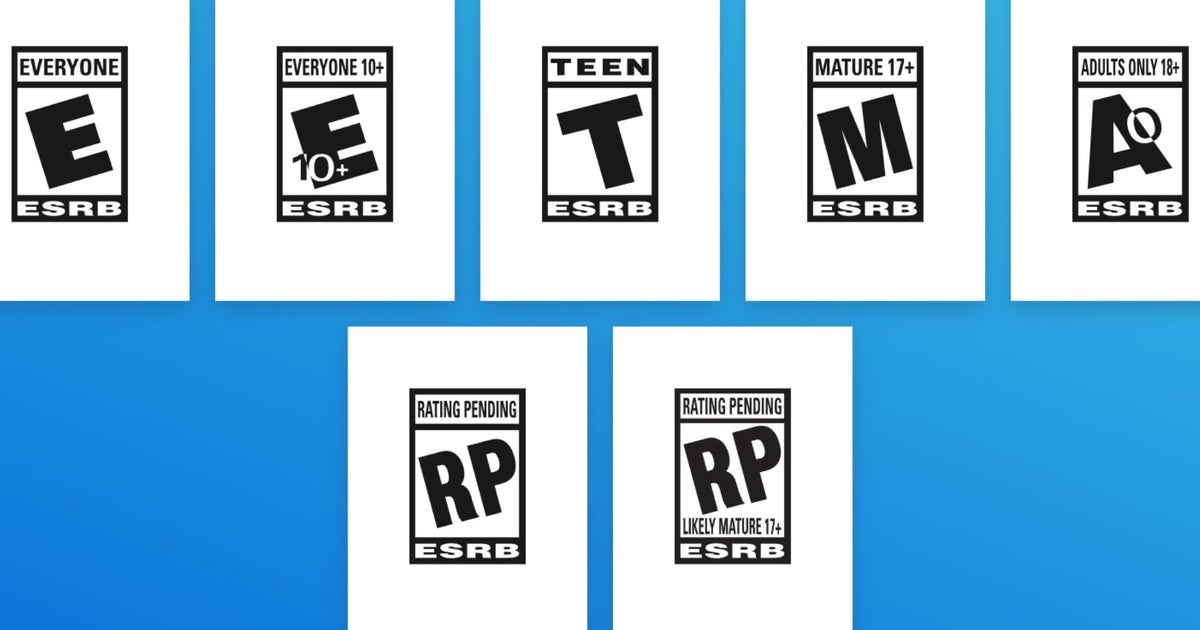
ESRB says it will not adopt PEGI-style rules that raise age ratings based on monetization mechanics (loot boxes, NFTs, daily quests), while PEGI will introduce four new categories for new releases starting in June. PEGI may also re-examine some legacy live-service games using seven years of in-game purchase data, though scope and retroactive enforcement remain unresolved and could create consumer confusion.
Regulatory divergence between major markets creates an enforcement arbitrage that publishers and platforms will try to exploit: cost of compliance will be front-loaded (policy/legal teams, revised UX, documentation) with incremental recurring costs to maintain transparency. Expect top-line pressure concentrated in EU revenue pools where monetize-via-retention mechanics are meaningful — a plausible 3–12% hit to EU ARPU for the most exposed live-service titles over the next 6–18 months as firms rework flows or dial back mechanics to avoid higher visibility.
Second-order winners are firms that sell compliance and monetization tooling (analytics, odds-disclosure, identity/payment gating) and large distribution platforms that can monetize new enforcement features; these players see predictable SaaS-like revenue expansion over 12–36 months. Payment processors and fraud/age-verification vendors face near-term integration costs but stand to win recurring fee revenue by embedding “safe purchase” badges and dispute minimization services into flows.
Competitive dynamics favor well-capitalized publishers that can absorb short-term ARPU erosion and A/B test alternative monetization (battle passes, season cosmetics) quickly; smaller studios dependent on high-frequency engagement mechanics are longest to adapt and most likely to see churn. Market reaction will be front-loaded volatility around European enforcement signals (next 3–6 months), but the structural reshuffle of monetization mechanics will play out over 1–3 years as player trust and retention metrics normalize.
Contrarian point: the headline regulatory concern underprices how fast product teams can pivot to non-rating-triggering monetization — many live services can recover >70% of lost ARPU within 6–12 months by switching to transparent, cosmetic-first offerings. That makes any sell-off in mid-cap publishers with diversified catalogues a potential short-term opportunity rather than a permanent impairment.
AI-powered research, real-time alerts, and portfolio analytics for institutional investors.
Request DemoOverall Sentiment
neutral
Sentiment Score
0.00
