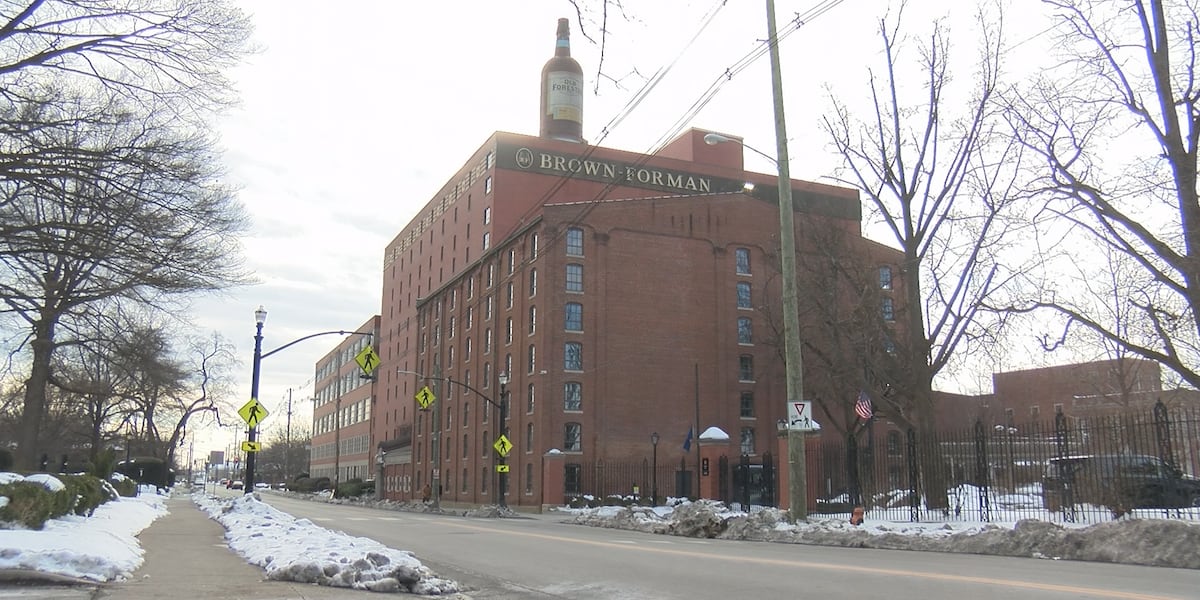
Merger talks between Brown-Forman and Pernod Ricard over a potential combination have ended after the companies reportedly failed to reach mutually agreeable terms. Brown-Forman said it will refocus on strategic and operational priorities, including geographic expansion, brand building, and efficiency improvements. The update removes a possible strategic catalyst, but the news is limited to failed negotiations rather than a balance-sheet or earnings shock.
The failed transaction removes a potential rerating catalyst, but the bigger issue is that it validates a strategic ceiling: Brown-Forman is still too constrained to win scale through M&A, so value creation now has to come from execution alone. That shifts the debate from optionality to mix, margins, and capital discipline — a slower, less forgiving path in a premium-spirits market where volume growth is already fragile. In the near term, the stock likely trades as a “de-risked but de-exciting” compounder, which tends to compress multiples rather than support them.
Second-order, the absence of a deal is modestly supportive for smaller premium brands and regional distributors that were at risk of being sidelined in a combined portfolio. It also preserves competitive tension in the global spirits shelf, where a merged entity could have pressured trade spend and distributor terms more aggressively. For Brown-Forman, the key risk is that management now has less room to hide behind strategic narrative; any miss in depletions or margin guidance will be read as evidence that standalone growth is structurally lower than the market had hoped.
The market may be underestimating how quickly merger disappointment can morph into governance overhang: once a public strategic path is tested and fails, investors typically demand clearer capital allocation discipline or a new catalyst within 1-2 quarters. If the company can’t show faster geographic expansion or pricing power by the next earnings cycle, the stock is vulnerable to another leg lower as the “takeout premium” gets fully removed. Conversely, a decisive buyback, divestiture, or a sharp reacceleration in premium tequila/whiskey mix could stabilize sentiment, but those are months-long fixes, not days-long ones.
AI-powered research, real-time alerts, and portfolio analytics for institutional investors.
Request DemoOverall Sentiment
mildly negative
Sentiment Score
-0.20
Ticker Sentiment
