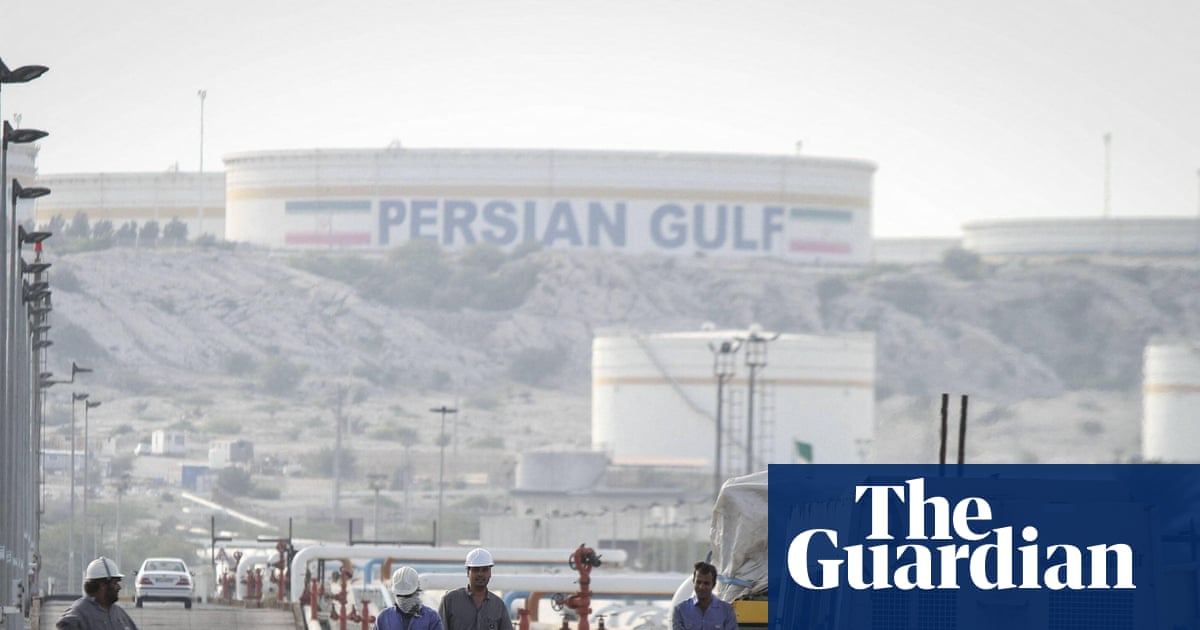
Kharg Island (≈20 sq km), which handles roughly 90% of Iran’s oil exports, is reportedly being considered for occupation or blockade — an action that would likely provoke high-risk Iranian drone/rocket retaliation. The US has deployed the 31st Marine Expeditionary Unit (~2,200 Marines) as regional attacks have already damaged Kuwait’s Mina al-Ahmadi refinery (730,000 bpd capacity), burned at least 16 cargo vessels and struck South Pars gas infrastructure, threatening gas-dependent power (≈80% of Iran’s generation). Expect immediate risk-off flows, heightened oil and gas price volatility, and potential for a broader market shock if attacks on energy infrastructure continue.
The market is pricing in a materially higher probability of sustained Gulf disruption, which transmits through three levers: immediate freight/insurance premia for crude and products, substitution into US/LNG and African supply lines with multi-week lag, and accelerated marginal production economics for high-cost barrels. Expect tanker TC rates and insurance spreads to drive an initial 15–30% bill-of-lading premium for crude flows; that gap compounds into refinery throughput disruptions and higher product Brent-Gasoil cracks over 0–3 months.
Winners on a 1–12 month view are producers and service chains that can flex output quickly (US onshore E&P, midstream tolling assets, spot-LNG sellers) plus defense/engineering names benefitting from elevated budgets; losers are airlines, container shipping, EM importers with weak FX buffers, and petrochemical feedstock importers whose margins compress if naphtha/ethane logistics reroute. Second-order effects: fertilizer and polymer tightness could lift input costs for agriculture and packaging for quarters, not days, compressing real incomes in food-importing EMs.
Key catalysts: tactical escalations or a high-impact strike that closes major shipping lanes would push Brent into $100–130/bbl territory within days and sustain it for months; credible diplomatic corridors, large SPR releases coordinated with allies, or rapid re-routing capacity (extra Aframax/Suez lifts) can reverse within 2–8 weeks. Tail risks include protracted denial-of-access campaigns raising structural insurance costs and inducing long-term supply-chain reconfiguration toward non-Gulf suppliers.
Contrarian view: markets may be over-discounting permanent physical seizure scenarios; historically, naval blockades and short-term island occupations produce sharp price spikes followed by durable mean-reversion as alternative supply and storage rebalancing come online. That argues for convex trades (options, charter-rate plays) rather than oversized directional stock exposure.
AI-powered research, real-time alerts, and portfolio analytics for institutional investors.
Request DemoOverall Sentiment
strongly negative
Sentiment Score
-0.80
