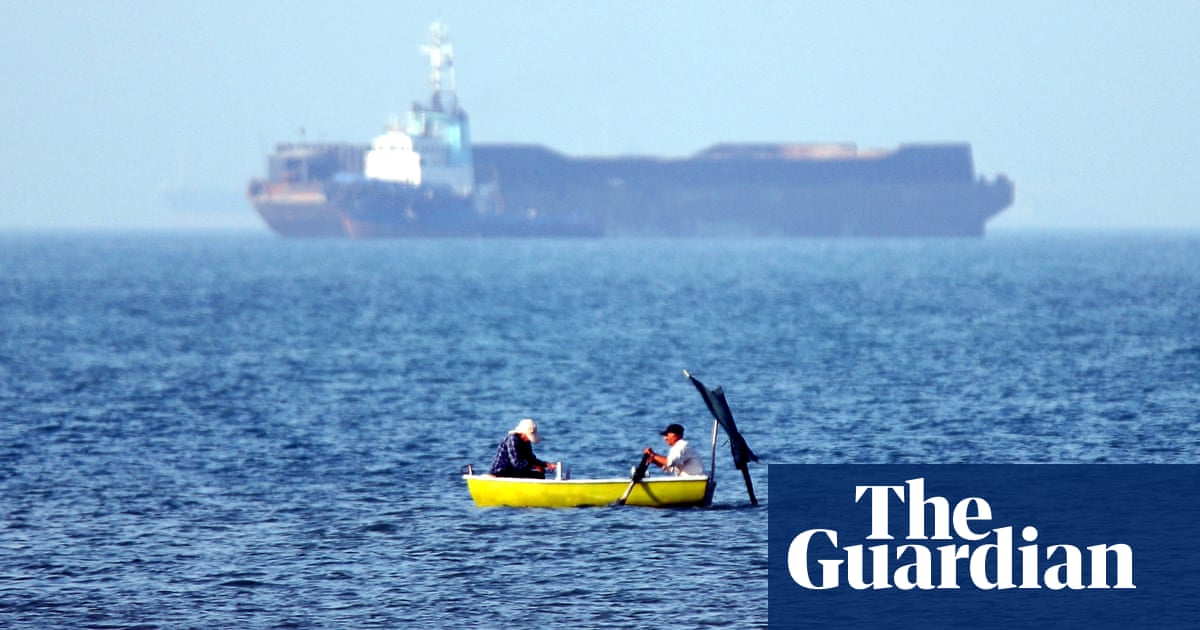
The launch of “Project Freedom” in the Strait of Hormuz has left more than 800 ships and about 20,000 crew stranded, while the US says it destroyed six Iranian boats and intercepted missiles and drones amid retaliatory attacks on the UAE. The disruption raises immediate risks to Gulf shipping and oil flows, with two US-flagged merchant vessels reportedly transiting and Maersk saying the Alliance Fairfax left the Gulf, but safety remains highly uncertain. Separately, the article notes a Supreme Court procedural move that could accelerate Louisiana redistricting ahead of the midterms, adding to domestic political volatility.
The immediate market impulse is not just higher headline oil; it is a forced repricing of maritime risk premia across the entire Gulf logistics chain. Even a partial interdiction regime tends to matter more for refined products and LNG than for crude alone because the bottleneck is vessel insurance, charter availability, and crew willingness, which can freeze trade flows before physical supply is meaningfully lost. That creates a second-order winners list in non-Gulf exporters with spare export capacity and a losers list in import-dependent refiners, airlines, chemical producers, and any company with just-in-time inventory exposure.
The key near-term catalyst is whether this remains a brief shock or becomes a persistent convoy-and-insurance problem over the next 2-6 weeks. If tanker rates spike and discharge delays extend, physical arbitrage widens: Atlantic Basin barrels gain value, Asian refiners with Gulf feedstock lose margin, and LNG spot prices can gap on fear of cargo interruptions even if molecules are not actually cut. The most vulnerable equity factor is not only energy intensity but duration risk, because balance sheets that can absorb 10-20 days of working-capital drag will outperform those that rely on continuous inbound flow.
The contrarian read is that consensus may be too quick to assume this is a linear bullish oil trade. A sharp oil spike can trigger a policy response faster than expected: reserve releases, emergency diplomacy, naval corridor escalation, and demand destruction in discretionary travel can all flatten the move within days to weeks. If the market overprices a full blockade scenario, the better expression is often volatility rather than outright directional crude exposure, because the probability distribution is fat-tailed but mean-reverting once a corridor is demonstrably kept open.
Separately, the political backdrop raises the odds of broader U.S. election messaging around cost of living and national security, which can spill into defense, cyber, and industrial procurement expectations. Infrastructure hardening and maritime security contractors may see a multi-quarter budget tailwind if this becomes the template for future chokepoint operations, while ESG-sensitive funds could face another leg of underperformance as energy security narratives crowd out decarbonization near term.
AI-powered research, real-time alerts, and portfolio analytics for institutional investors.
Request DemoOverall Sentiment
strongly negative
Sentiment Score
-0.82
