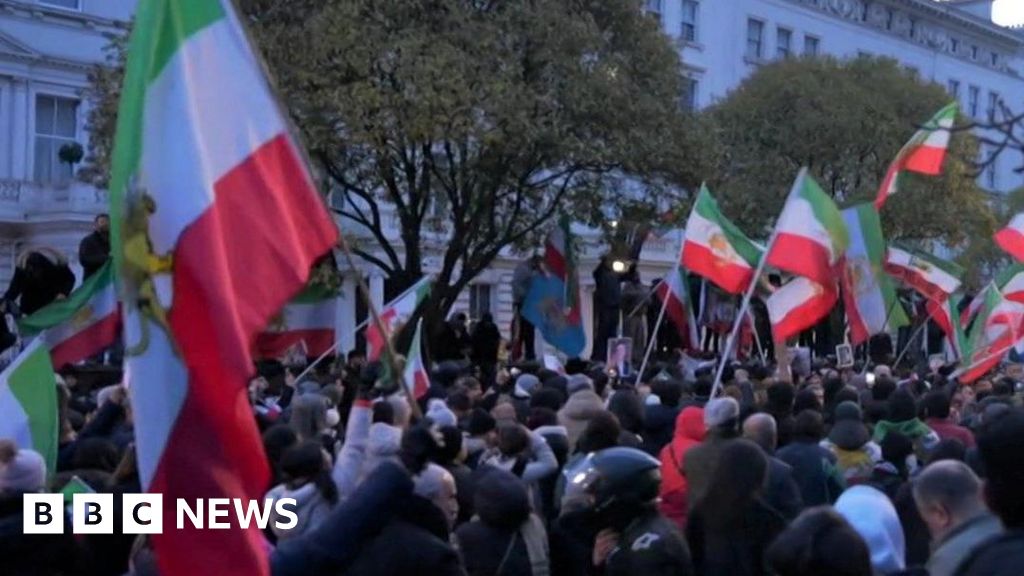
Mass anti-government protests that began in Iran on 28 December have entered their 13th day, with human rights groups reporting at least 50 deaths and an internet blackout in place; demonstrations have spilled onto the diplomatic stage with a protester climbing and tearing down the Iranian flag at the London embassy and two arrests made. Western leaders have publicly condemned reported violence, and the unrest—which includes calls for regime change and the return of Reza Pahlavi—creates heightened geopolitical and political risk for investors with exposure to the region, potentially pressuring sentiment-sensitive assets and complicating market access amid communications shutdowns.
Market structure: Short-term winners are safe-haven assets (USD, US Treasuries, gold/GLD) and defense/cyber names due to increased geopolitical risk; losers are frontier/emerging market assets (EM equities VWO/EEM, sovereign bonds EMB) and regional tourism/airlines serving Iran. Pricing power shifts incrementally toward energy exporters if sanctions or supply interruptions intensify; a 1-3% sustained reduction in Iranian crude exports would materially tighten Brent (historically a 1m bpd shock ~+$3-5/bbl). FX stress will pressure EM currencies vs USD; expect 100–300bp sovereign spread widening in high-risk EM credits if protests escalate.
Risk assessment: Tail risks include full-scale sanctions leading to ~2-4% sustained oil price shock, cyber retaliation against Western infrastructure, or a prolonged Iranian internet blackout obscuring real-time signals — each could move correlated assets by 3–10% in days. Immediate (days) = volatility spikes; short-term (weeks/months) = EM outflows and commodity repricing; long-term (quarters) = geopolitical policy shifts altering capex in energy/defense. Hidden dependencies: social-media opacity may cause false-positive market moves; banking corridors (SWIFT) or shipping route disruptions are non-linear catalysts.
Trade implications: Favor small tactical long positions in GLD/TLT and selective longs in cybersecurity (PANW/HACK) and large-cap defense (LMT/RTX) with strict size limits (1–2% AUM each). Pair trades: long GLD vs short VWO/EEM, or long TLT vs short EMB; use 1–3 month option structures (call spreads on GLD/TLT, put spreads on EEM) to limit capital at risk. Time entries within next 1–10 trading days as headlines unfold; trim on volatility compression or if oil moves >+$5/bbl.
Contrarian angles: Market may overprice persistent oil disruption — Iran exports can re-route and buyers may discount risk within 1–3 months; therefore avoid large directional crude futures exposure. Also, EM selloffs create idiosyncratic opportunities: consider small, selective buys in high-quality EM exporters (energy/commodities) on >10% drawdowns. Historical parallels (2011 Arab Spring, 2019 protests) show initial risk-off then mean-reversion in EM within 3–6 months absent wider regional war.
AI-powered research, real-time alerts, and portfolio analytics for institutional investors.
Request DemoOverall Sentiment
moderately negative
Sentiment Score
-0.35
