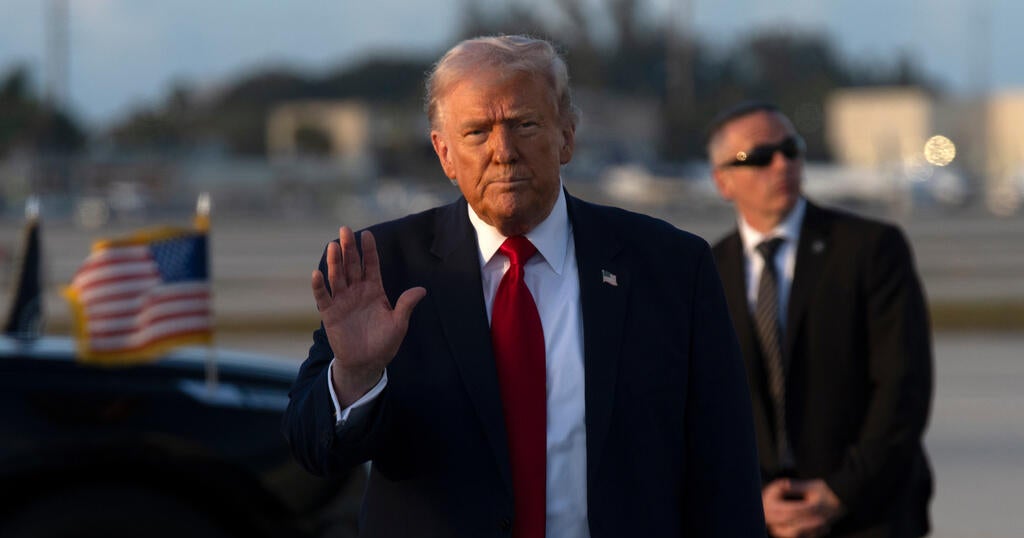
About 20% of global oil supply transits the Strait of Hormuz, which commercial shipping has effectively halted after renewed U.S.-Iran hostilities; President Trump said the U.S. has struck >3,000 Iranian targets in the first week and is "thinking about taking" control of the strait. Trump described the war as "very complete" and threatened severe retaliation; Iran announced Ayatollah Mojtaba Khamenei as supreme leader. The U.S. oil benchmark fell ~10% (just under $10/barrel) in the two hours after the interview, while major equity indices rebounded to close positive after intraday losses.
Trump's public talk of seizing a chokepoint raises the probability of a policy-driven, binary geopolitical shock rather than a gradual supply tightening. Markets will increasingly price a non-linear premium for disruption: a modest, persistent rerouting cost shock (extra voyage days + insurance) that adds roughly $0.5–$3/bbl to delivered oil over months, plus episodic spikes of $10–$30/bbl if attacks or interdictions occur. These two components have different time constants — routing/insurance is a multi-month structural drag; kinetic escalation is a discrete-day-week event that reverberates through prompt physical markets and tanker/time-charter rates.
Flow mechanics imply winners and losers beyond producers and refiners. Tanker owners and spot charter markets typically see freight rate multipliers of 3x–10x on route-disruption; storage owners and ports on alternative routes capture basis dislocations. Conversely, medium-sour refiners that lack flexibility on feedstock and logistics will face margin compression as cargo quality and freight premiums diverge. Financially, short-dated volatility products and options-implied backwardation will rise, favouring volatility sellers only if they are paid commensurate premium.
Near-term catalysts that will reset risk premia are clear: a significant asymmetric Iranian response, coalition casualties from interdiction operations, or a credible diplomatic de-escalation (e.g., third-party negotiations or large strategic reserve releases). Expect market moves to be front-loaded in days around incidents but with a persistent baseline premium over months until shipping insurers and charterers re-establish normalized transit patterns or legal/military guarantees. The probability of sustained elevated premiums increases materially if the U.S. attempts physical control — that action converts an economic disruption into a long-duration sovereign conflict risk with multi-year implications for regional trade flows.
Position sizing should treat this as a convex-volatility and logistics trade: short windows create outsized payoffs for concentrated option exposures or equity levered to freight; longer windows favor owning real-assets/companies with time-charter optionality and pricing power. Liquidity and headline risk are elevated — use defined-loss option structures and pairs to avoid single-event binary exposure.
AI-powered research, real-time alerts, and portfolio analytics for institutional investors.
Request DemoOverall Sentiment
mildly negative
Sentiment Score
-0.30
