





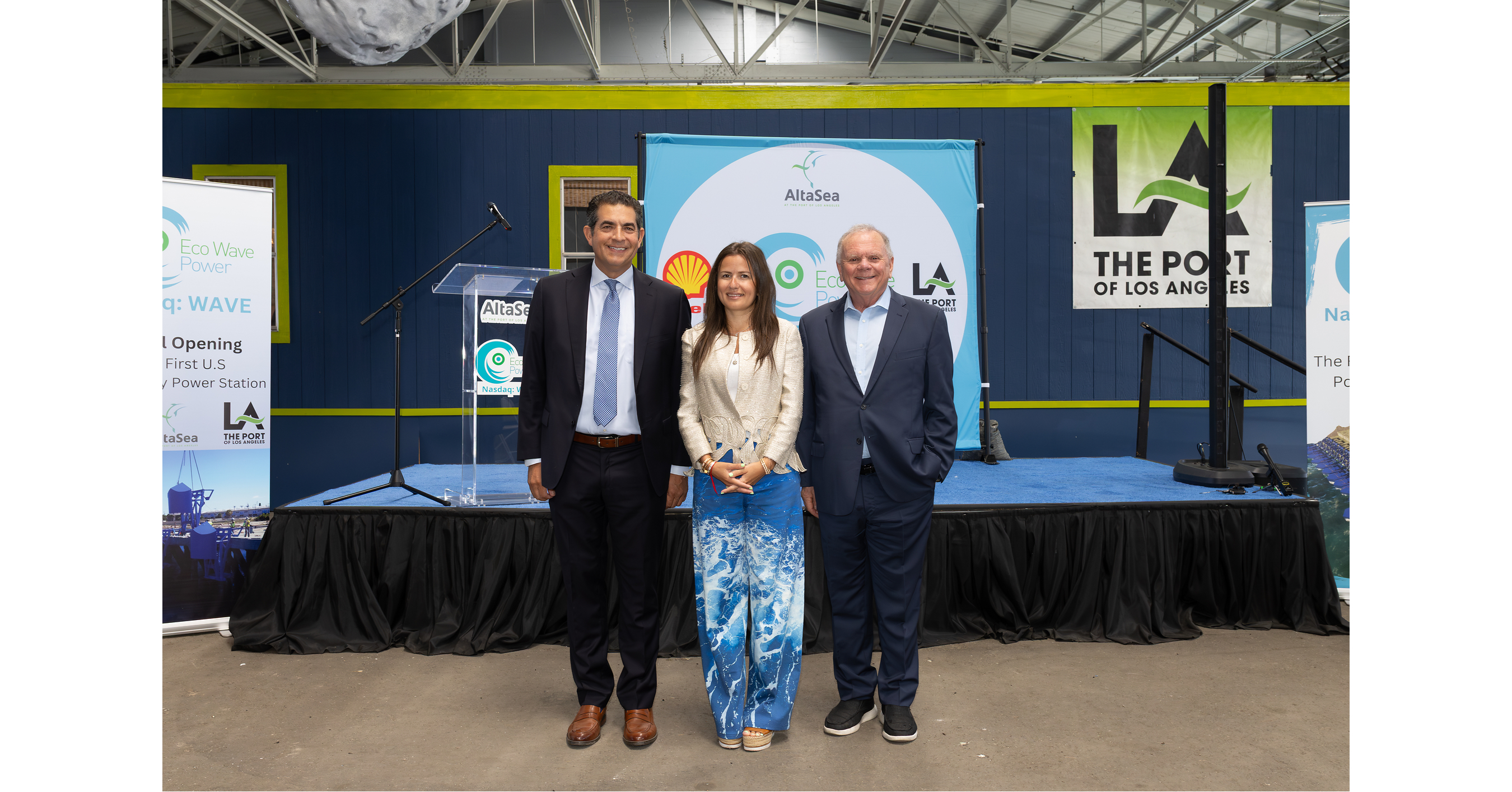
Eco Wave Power (WAVE) was specifically referenced in California’s Final SB 605 Phase 2 Consultant Report for wave and tidal energy, with its Port of Los Angeles wave pilot cited as an example of viable sea-space deployment. The SB 605 process completion provides a long-term commercialization roadmap and aligns with Eco Wave Power’s permitting progress, including its U.S. Army Corps of Engineers Nationwide Permit and an operational installation at AltaSea. Separately, the company reports it submitted final pilot completion reports to Shell and AltaSea/Port of Los Angeles, reinforcing contractual milestone completion under its 2024 Pilot Test Agreement.
This is more of a regulatory de-risking event than a fundamental monetization event for WAVE. The market should treat the inclusion in a state planning document as a small increase in probability-weighted terminal value, but not as proof that wave power becomes financeable at scale; the binding constraints remain capex intensity, reliability, and who funds the first commercial fleet. Any bid in the stock is likely to be driven by narrative re-rating rather than near-term revenue impact.
The second-order winner is WAVE’s business model relative to offshore/tidal concepts that require seabed access and heavier environmental review. If California standardizes around port/breakwater deployments, it effectively favors technologies that sit inside existing infrastructure footprints, which should compress the permitting advantage of offshore-only competitors and could redirect scarce state grant dollars toward lower-conflict pilots. That said, this is still a niche policy lane, not a sector-wide demand inflection.
Catalyst timing matters: the next 4-12 weeks are about whether this becomes a funding or procurement pathway, not whether the report exists. If there is no follow-on action from the CEC, Legislature, or a utility/port partner, the stock likely gives back the headline premium. Over 6-18 months, the thesis only works if WAVE converts policy visibility into a financed project with credible unit economics; otherwise this remains a dilution story with optionality attached.
Contrarian view: consensus may overread symbolic recognition as commercialization progress. The report reduces political friction, but it does not solve intermittency, maintenance costs in marine environments, or grid interconnection economics. For that reason, any sharp rally on this item alone is more likely to fade than to compound unless it is paired with a hard catalyst such as funding, offtake, or a larger installation order.
AI-powered research, real-time alerts, and portfolio analytics for institutional investors.
Request TrialOverall Sentiment
mildly positive
Sentiment Score
0.25
Ticker Sentiment
