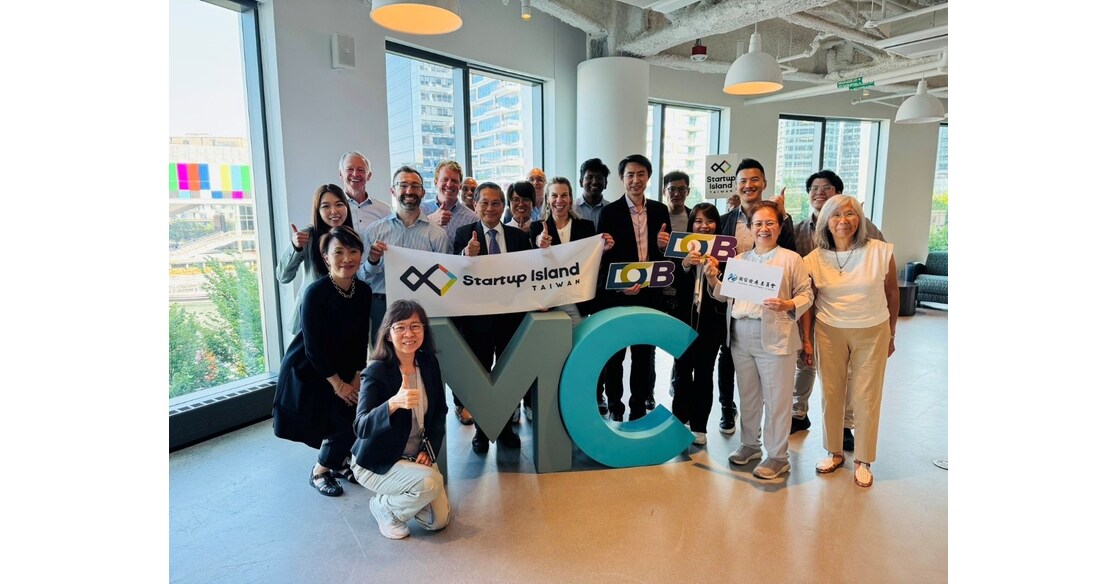
Startup Island TAIWAN, backed by Taiwan’s National Development Council (NDC) and in partnership with DCB, launched a June 29–July 2 Boston biotech ecosystem program to connect Taiwanese startups with Boston investors and partners via pitching, business matchmaking, and institutional visits. The initiative centered on commercialization paths (e.g., licensing, clinical development, joint research, market access) and featured AI-enabled drug discovery and oncology/cell-therapy platforms, including AI-driven R&D workflow automation and personalized oncology testing. Overall impact is likely limited to early-stage deal flow rather than immediate public-market repricing.
This is more useful as a funnel signal than a tradable earnings event. The real economic benefit accrues to private startups and local intermediaries that monetize deal flow, not to public equities today; the likely second-order effect is a modest increase in Boston-based licensing, clinical-services demand, and early-stage financing activity over the next 6-18 months.
For public markets, the only near-term name with any narrative linkage is DNA, but hosting and ecosystem convening does not change its cash burn or probability of commercialization. If anything, these events can create short-lived optimism around platform relevance without translating into booked revenue, which tends to fade unless followed by signed partnerships or milestone payments within 1-2 quarters.
The more durable implication is for Taiwan’s biotech supply chain and industrial policy: if more U.S. validation leads to cross-border development work, Taiwan CDMOs, specialty manufacturers, and translational research vendors could capture incremental outsourcing. TSM is only an indirect beneficiary through broader Taiwan innovation branding, but there is no obvious line-of-sight to silicon demand, so any equity read-through there should be treated as noise unless the article later turns into actual capital allocation or manufacturing commitments.
Consensus is probably overestimating the market impact because this is a networking announcement, not a financing round or FDA-related catalyst. The falsifier for a bullish ecosystem thesis would be 2-3 quarters passing without disclosed partnerships, licensing, or venture deployment; the confirming signal would be a measurable uptick in Boston/Taiwan biotech co-development deals, especially if they involve validation of AI-discovery or ex vivo oncology platforms.
AI-powered research, real-time alerts, and portfolio analytics for institutional investors.
Request DemoOverall Sentiment
mildly positive
Sentiment Score
0.12
Ticker Sentiment
