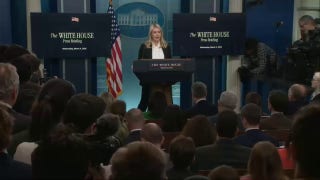
U.S. CENTCOM officials report Iranian theater ballistic missile launches have fallen 86% from the opening day of Operation Epic Fury and 23% in the past 24 hours, while one-way attack drone shots are down 73%, enabling localized air superiority along Iran’s southern coast. Gulf states, led by the UAE, say they intercepted eight cruise missiles, 175 ballistic missiles and 876 drones amid strikes that caused collateral damage and three foreign national deaths; a coalition of Gulf states and the U.S. issued a joint condemnation and affirmed the right to self-defense. The reported degradation of Iranian launch activity reduces near-term kinetic pressure but the broader regional tensions and asymmetric attacks maintain a persistent geopolitical risk that is likely to keep markets in a risk-off posture and elevate volatility in regional assets and energy-sensitive sectors.
Market structure: Immediate winners are missile/air‑defense OEMs (Raytheon RTX, Lockheed LMT, Northrop NOC, L3Harris LHX) and suppliers of interceptors and seekers; losers are commercial airlines/travel (JETS ETF, IAG) and Gulf tourism/real‑estate under short‑term demand pressure. High interceptor consumption (hundreds of intercepts reported) raises near‑term replacement demand and gives suppliers pricing power, while civilian infrastructure damage raises insurance and shipping war‑risk premiums.
Risk assessment: Tail risks include escalation to strikes on the Strait of Hormuz causing >5% crude supply disruption and oil +20% in weeks, or cyber/ESG shocks to defense supply chains; probability low but impact systemic. Time horizons: days — elevated volatility and flight to safety (USD, GOLD, Treasuries); weeks–months — higher defense revenue visibility and oil/gas price premium; quarters+ — procurement cycles and congressional budgets determine durable winners.
Trade implications: Favor short‑dated (3–6m) directional exposure to defense names and energy while hedging via options: buy call spreads on RTX/LMT/NOC and BRN calls 3–6m; short travel exposure (JETS 1–2% position) or sell airline paper. Cross‑asset: add GLD/UUP sized 1–2% for tail hedges and consider buying protection (puts) on EM credit/insurance names tied to Gulf trade lanes.
Contrarian angles: Consensus may overprice instant wins — physical delivery of interceptors and precision munitions faces 6–18m lead times, capping near‑term revenue; defense equities could mean‑revert after an initial relief rally. Consider harvesting premium by selling covered calls after a 10–15% rise and buying longer‑dated (9–18m) call exposure if procurement budgets (Congress/DoD) confirm sustained spend.
AI-powered research, real-time alerts, and portfolio analytics for institutional investors.
Request TrialOverall Sentiment
moderately negative
Sentiment Score
-0.40
