

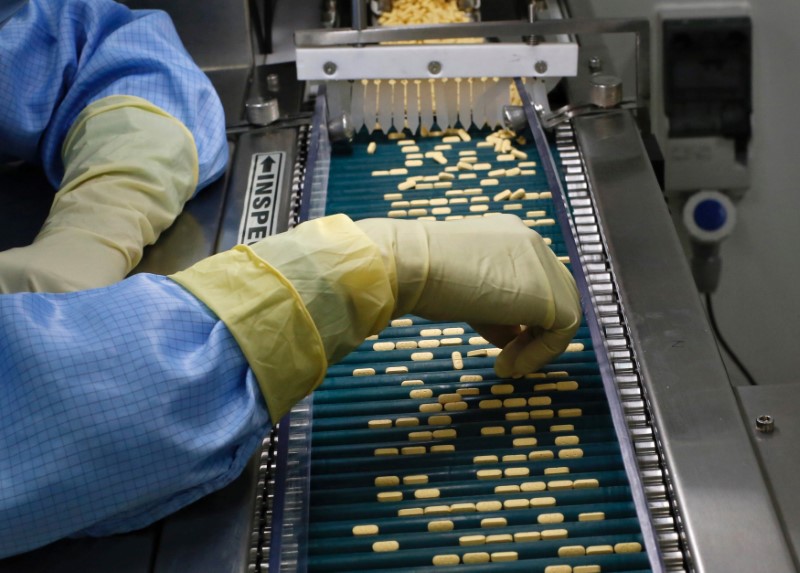
Lupin's U.S. unit settled an antitrust lawsuit with Humana for $30 million, tied to allegations of price fixing and reverse payments related to the generic drug Glumetza. The company denied wrongdoing and said the amount had already been accounted for in earnings. While the settlement limits legal uncertainty, it reinforces ongoing antitrust risk for the pharma group.
The immediate market read-through is not about the dollar amount of the settlement; it is about the change in litigation path. A single mid-sized payment from one generic player reduces the probability of a clean, company-specific blowup for the rest of the cohort, but it also validates the legal theory enough to keep the overhang alive for months as other defendants choose between settlement and discovery risk. For healthcare insurers, this is mildly constructive because it improves the odds of partial recovery and may accelerate broader industry settlements, but the bigger beneficiary is actually the plaintiffs’ bar’s leverage over smaller generic manufacturers with weaker balance sheets.
The second-order issue is capital allocation, not headline P&L. Once management teams start provisioning for these cases, the market should discount a lower appetite for M&A, slower buybacks, and more conservative R&D spend across the generic sector, which can widen the valuation gap versus branded pharma and large-cap diversified names. That matters because generics already trade on thin margins; a persistent litigation tax compresses the equity risk premium and likely keeps multiple expansion capped even if earnings hold up.
Near term, the catalyst path is binary: additional settlement announcements could create a relief rally in the names most exposed to legal uncertainty, while any motion to widen the case or surface e-mail evidence would likely re-rate the group down another 5-10% over days to weeks. The contrarian angle is that the market may be underestimating how quickly these disputes convert into manageable reserves rather than existential liabilities; if that happens, the selloff in the most levered defendants becomes a trading opportunity rather than a structural short. For HUM, the risk is less earnings and more timing—cash recovery could be pushed out, but the recoverability of costs means this is more about optics and timing than fundamental damage.
AI-powered research, real-time alerts, and portfolio analytics for institutional investors.
Request TrialOverall Sentiment
moderately negative
Sentiment Score
-0.35
Ticker Sentiment
