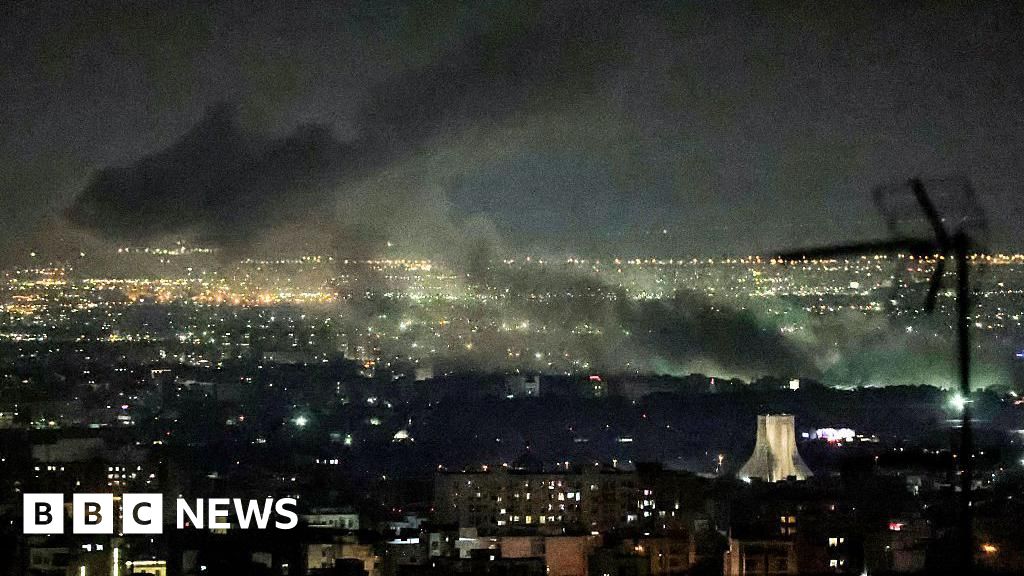
Israel and the US have conducted joint strikes on Iran (begun 28 Feb) with Israeli forces announcing broad waves of strikes on Tehran targeting IRGC/Quds Force facilities; HRANA reports 1,761 killed since the war began (including at least 1,245 civilians and 194 children) and earlier HRANA figures cite 6,480 protesters killed and 25,000 injured in a security crackdown. Sustained explosions and power cuts in Tehran and Karaj are causing civilian disruption and escalating regional geopolitical risk, likely prompting risk‑off positioning across emerging market assets and higher volatility in energy and regional credit markets.
The immediate market reaction to escalating hostilities typically compresses risk appetite and re-routes real economic flows: marine insurance and tanker time-charter costs can jump 20–40% and TC rates episodically spike 100–300% within days if shipping lanes are perceived as exposed, with effects on refined product and LNG spreads in the 2–8 week window. Defense procurement and urgent retrofit orders follow a different cadence — initial contract awards and expedited component buys tend to materialize in 1–3 months, with multi-quarter supply-chain lead times that favor prime contractors and large integrators able to reprioritize production slots.
Credit and FX cross-currents will be the less-obvious driver of asset performance: EM sovereign curve widening and dollar-strength spikes historically depress local-currency assets within 48–72 hours of risk-off, but T-note real yields can also rally 20–50bps as a near-term flight-to-safety. Equity dispersion increases — cyclicals tied to travel, tourism and regional trade corridors are vulnerable in the first 2–6 weeks while security/communications suppliers and select industrials with dual-use manufacturing exhibit asymmetrical upside over 3–12 months.
The biggest behavioral tilt to exploit is underinvestment in short-dated convexity and protection: markets often under-hedge near-term energy and insurance-risk spikes (0–8 weeks) while over-allocating to long-dated structural plays (defense equities 6–24 months). If de-escalation occurs via rapid diplomacy, defense-equity premiums and commodity vols can mean-revert sharply within 1–4 weeks — that path is the principal downside to carry-heavy long positions.
AI-powered research, real-time alerts, and portfolio analytics for institutional investors.
Request DemoOverall Sentiment
strongly negative
Sentiment Score
-0.85
