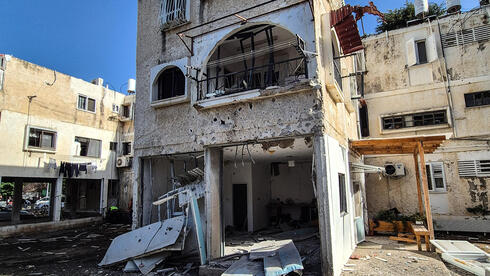
The IDF said two soldiers were moderately wounded and six lightly wounded in southern Lebanon, while a direct strike in Nahariya damaged a residential building and lightly injured a woman in her 60s. Israel also reported that its "Eternal Darkness" strike in Lebanon killed more than 250 Hezbollah operatives, including senior commanders and a logistics chief tied to weapons smuggling and reconstruction efforts. Ongoing sirens, drone warnings, and intercept alerts across northern Israel point to a continued escalation risk with potential broader regional spillover.
The market read-through is not just regional escalation risk; it is the growing probability of a longer-duration, lower-intensity border war that steadily taxes Israeli logistics, air-defense inventories, and civilian continuity without forcing a single decisive macro shock. That tends to be bullish for defense electronics, interceptors, sensors, and hardened infrastructure spend over months, while being negative for local transport, retail traffic, and tourism-sensitive assets that rely on perceived stability. The more important second-order effect is on munition burn rates. Repeated drone and rocket incidents imply sustained demand for interceptors and related C4ISR systems, which can create a multi-quarter order acceleration for U.S. and Israeli defense primes even if headline ceasefire odds remain low. The risk is asymmetric: a small increase in attack frequency can force a much larger increase in inventory replenishment and procurement urgency, especially if the military believes adversary command-and-control degradation is temporary rather than decisive. Contrarian view: the current narrative may be overpricing immediate operational breakage and underpricing Hezbollah adaptation. If leadership attrition is real but distributed, the group can pivot toward smaller, more numerous launches that preserve pressure while reducing concentration risk, which limits the chance of a clean tactical unwind. That means the trade is less about one-off airstrike headlines and more about persistent volatility, with the real catalyst being whether casualty replacement and supply-chain reconstitution outpace attrition over the next 4-12 weeks.
AI-powered research, real-time alerts, and portfolio analytics for institutional investors.
Request DemoOverall Sentiment
strongly negative
Sentiment Score
-0.75
