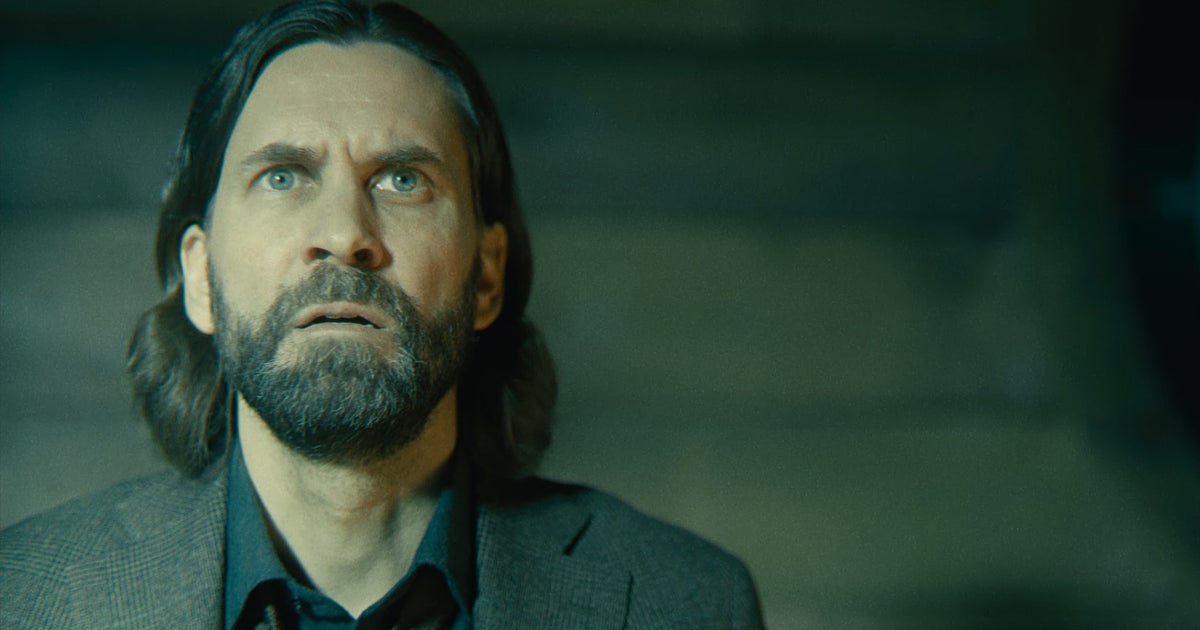
Remedy’s new CEO Jean-Charles Gaudechon said he does not want to "change the DNA" of the studio, but does want to improve monetization of existing franchises like Control and Alan Wake. He said those games "could give a lot more" and should reach a much larger audience via cross-media expansion, including the Annapurna film and TV deal. The article is mainly a strategic management update with limited immediate financial impact.
EA is only a weak negative here, but the signal is more about governance than near-term earnings: the market is being told that Remedy’s new CEO will preserve creative autonomy while monetizing IP harder through transmedia. That combination usually reduces the probability of a strategic break-up or aggressive cost reset, but it also raises the odds of a longer-duration “optionality” story where value is tied to franchise extraction rather than one-off game launches. For EA, the relevance is second-order: any perception that a former EA operator can improve monetization without destroying studio identity is supportive for the broader narrative that large publishers can buy or nurture premium IP without immediate brand damage.
The real catalyst path is multi-quarter, not days. Cross-media deals tend to re-rate valuations before revenue shows up, because investors extrapolate audience expansion faster than conversion rates actually materialize; historically, that creates a 6-12 month gap where sentiment outruns fundamentals. The key risk is execution: if adaptations are competent but undifferentiated, they add awareness without materially improving game unit economics, which caps upside and leaves the studio with higher overhead from franchise management and licensing complexity.
Contrarian angle: the market often overestimates how much film/TV can fix under-monetized IP. For a niche premium game studio, the bigger economic lever is not necessarily more content, but better monetization of the existing fan base through sequels, premium editions, and timing discipline. If the company starts stretching its universe too hard, it can dilute the very scarcity that makes the brand valuable, so the optimal trade is to own the monetization optionality but hedge against execution disappointment.
AI-powered research, real-time alerts, and portfolio analytics for institutional investors.
Request DemoOverall Sentiment
neutral
Sentiment Score
-0.05
Ticker Sentiment
