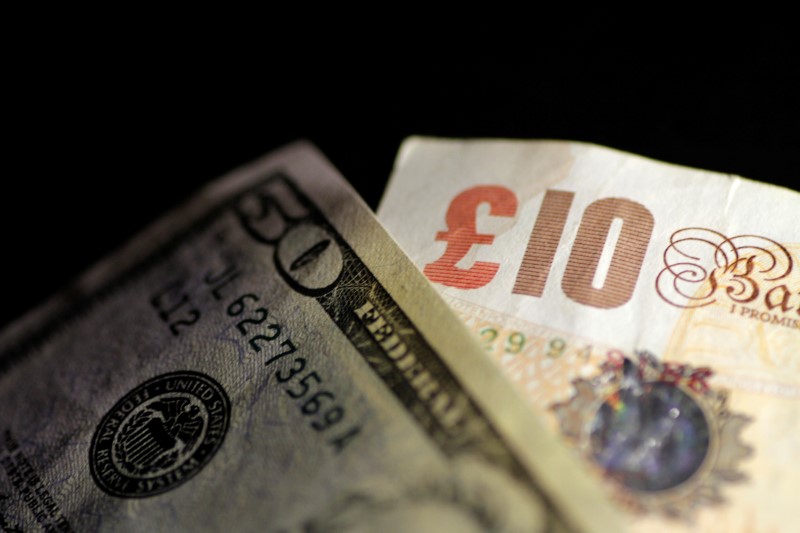
Sterling fell 0.13% to 1.3491 and the euro slipped 0.12% to 1.1692 as weaker eurozone data and rising inflation pressure weighed on sentiment. The eurozone flash composite PMI dropped to 48.6 from 50.7, its lowest in 17 months, while UK PMI improved to 52.0, though inflation in both regions accelerated sharply due to surging fuel costs tied to the Strait of Hormuz crisis. The article also notes both the Bank of England and ECB are likely to stay on hold next week, while risk-off equity futures and UK election risk support the dollar.
This is a classic “energy shock plus growth scare” setup that usually hurts Europe more than the US because the region is simultaneously a net energy importer, more rate-sensitive, and more exposed to margin compression in domestically focused cyclicals. The first-order FX move is lower EUR and GBP, but the second-order winner is the dollar via the equity channel: if global equities roll over while oil stays elevated, USD benefits from both safe-haven flows and relative growth differentials. That means the market may be underpricing how quickly EUR/USD can gap lower if US risk assets remain unstable for even a few sessions.
The UK’s relative PMI strength is likely less important than the inflation impulse embedded in it. If firms are front-loading purchases ahead of price increases, that is a near-term support for sterling but a medium-term negative for margins and future demand, especially in consumer-facing sectors and small caps with weak pricing power. The real vulnerability is that higher input costs arrive before wage growth can fully adjust, which should pressure discretionary earnings and keep the BoE boxed in even without a rate hike.
The political overlay matters because local-election noise can turn a macro FX move into a positioning event. If Labour underperforms, markets may infer a less stable fiscal path or a weaker mandate for policy restraint, widening the UK risk premium just as rate differentials stop supporting the pound. In Europe, the slowdown is more dangerous because a sub-50 services print can force the ECB into a “behind the curve” narrative: if they stay on hold, real rates rise as inflation stays sticky; if they tighten, growth worsens. Either outcome argues for a weaker euro over the next 2-6 weeks unless oil reverses sharply.
The consensus likely underestimates how concentrated the upside is in commodity FX versus how broad the downside is for G10 Europe. That makes this less a simple USD-up trade and more a relative-value expression against EUR and GBP specifically. The cleanest contrarian risk is a fast de-escalation in Hormuz tensions or a sharp equity rebound, which would unwind the risk-off dollar bid quickly and expose crowded short-euro positioning.
AI-powered research, real-time alerts, and portfolio analytics for institutional investors.
Request TrialOverall Sentiment
moderately negative
Sentiment Score
-0.35
Ticker Sentiment
