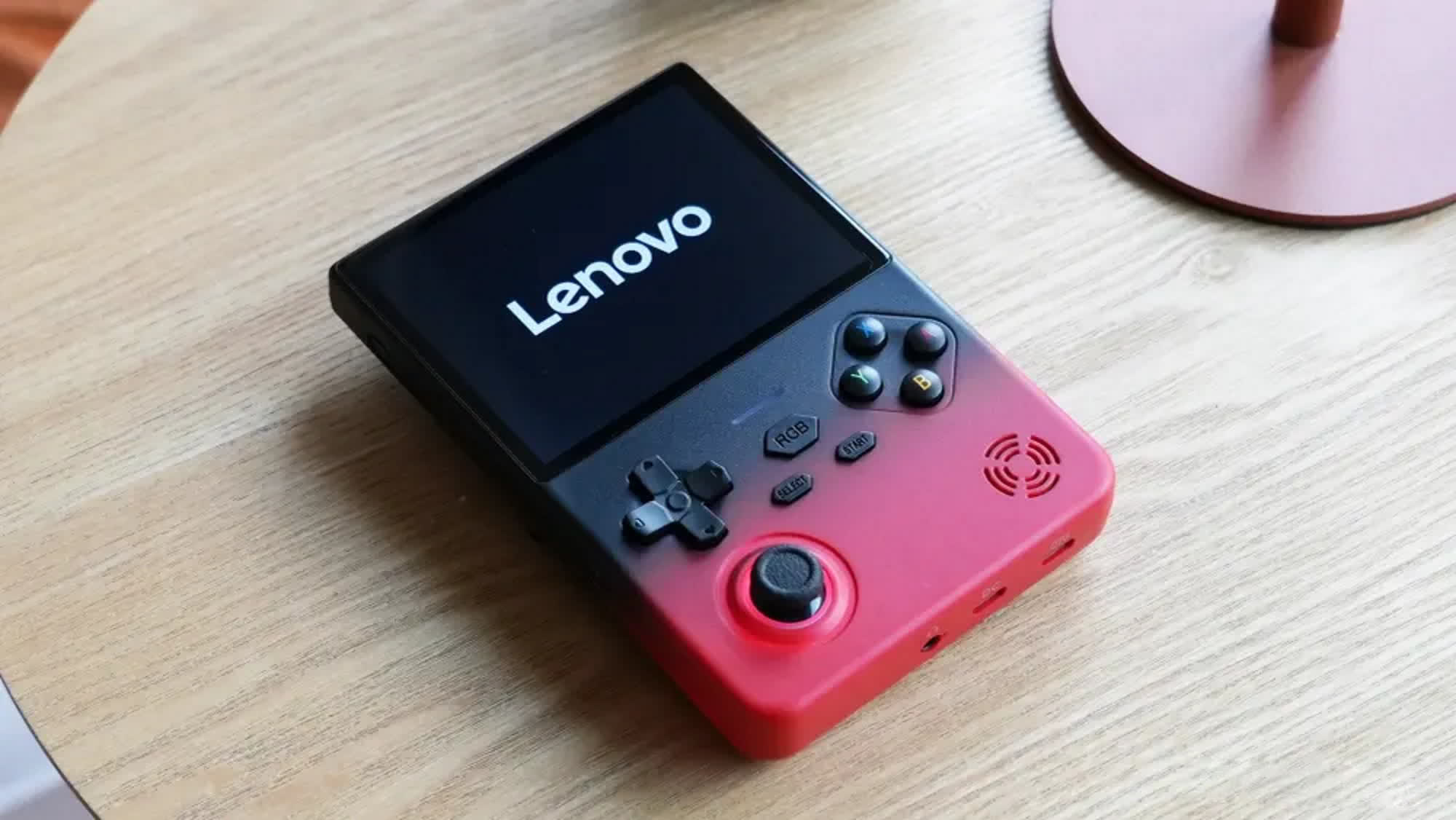
Lenovo-branded retro handhelds sold through a white-label arrangement in China reportedly include unlicensed ROM images from Nintendo and other publishers, creating potential IP and legal risk for Lenovo. Lenovo says the G02 was produced under a regional brand-licensing agreement and may differ from products sold through authorized channels, but it has not taken direct responsibility for the alleged violations. The issue is likely more reputational and legal than market-moving, though it could draw scrutiny given Nintendo's history of aggressive IP enforcement.
This is less a hardware story than a brand-governance and enforcement asymmetry story. The immediate market implication is not on the device itself, but on any company that monetizes IP-heavy ecosystems through weakly controlled regional licensing, because one bad white-label partner can pull the licensor into reputational and legal crossfire. The second-order effect is that global marketplaces are now a clearer enforcement vector: if distribution on AliExpress is tolerated for weeks or months, the damage shifts from one-off infringement to normalized channel leakage.
For Sony, the direct earnings impact is negligible, but the legal backdrop is incrementally important because it reinforces the scarcity value of tightly managed content ecosystems. The bigger competitive effect is on gray-market handhelds and emulation devices, which may see faster delistings, thinner margins, and higher compliance costs over the next 1-3 months if rights holders move from warning letters to platform pressure. That tends to help incumbents with first-party content control and hurts low-end hardware assemblers whose differentiation depends on bundled ROM libraries rather than device quality.
The contrarian point: the headline may overstate the economic size of the issue for Lenovo. Brand licensors often ring-fence liability through regional agreements, and unless there is evidence of active distribution approval or recurring revenue participation tied to infringing bundles, the downside is likely reputational before it is financial. The more material risk is precedent: if rights holders successfully force marketplace takedowns or customs actions, this becomes a template for broader enforcement against other emulation vendors, compressing a niche but growing submarket rather than meaningfully moving large-cap earnings.
AI-powered research, real-time alerts, and portfolio analytics for institutional investors.
Request DemoOverall Sentiment
mildly negative
Sentiment Score
-0.30
Ticker Sentiment
