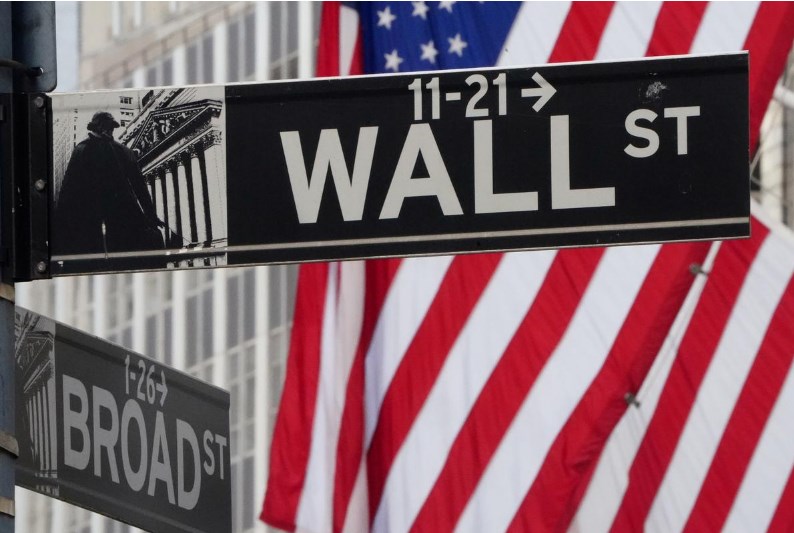
U.S. equities rallied, with the Nasdaq Composite up 2% and the S&P 500 adding 1.2%, while the Dow closed at a record high, helped by a sharp rebound in technology and communication services stocks. Alphabet gained 4.8% on its first day in the Dow, and futures were little changed overnight as investors looked ahead to Thursday's payrolls report for rate clues. Geopolitical risk remains a drag, with conflicting signals on renewed Iran talks after weekend U.S.-Iran strikes, though oil prices stayed near prewar levels.
The market is pricing a classic durability-of-growth setup: after a sharp unwind in crowded AI/semicap exposure, yesterday’s rebound suggests systematic and discretionary flows were forced to re-risk rather than a fresh fundamental upgrade. That matters because the first leg higher is usually position repair, but the second leg depends on whether rates and payrolls cooperate; if labor stays firm, the market can tolerate higher yields for a few sessions, but any upside surprise that lifts real rates meaningfully would likely cap the rebound quickly. The most important read-through is that leadership is narrowing back to the megacap complex, which tends to reassert itself when macro uncertainty rises and investors prefer balance-sheet quality and index weight over cyclicality.
GOOGL is the cleanest beneficiary of the index rebalance plus sentiment reset because it sits at the intersection of AI optionality, ad cash flow, and passive inflows; the stock should attract incremental demand even if the broader tech tape pauses. SMCI and APP remain higher-beta expressions of the same factor trade, but they are more vulnerable to a second-order “good news already priced” dynamic: if rates tick up into payrolls, multiple compression hits the names with the most stretched expectations first. The near-term edge is therefore not in chasing the highest beta, but in owning the quality leader and fading the weakest balance-sheet/valuation combinations.
Geopolitically, the market’s muted reaction to Middle East tension implies traders are treating the oil risk premium as self-canceling unless supply is physically interrupted. That is a complacency signal, not necessarily a contradiction: if talks break down or headlines escalate, energy could reprice fast even if crude had been anchored near recent levels. The real second-order effect is on factor rotation — a renewed oil spike would pressure long-duration growth, steepen the value/defense bid, and likely create a sharper relative move than the headline index level suggests.
The contrarian view is that the bounce may be more fragile than the index close implies: a record Dow alongside a tech rebound often marks a tactical rather than durable regime shift, especially into payrolls and a holiday weekend. If the labor print is hot, investors may interpret it as “higher-for-longer plus geopolitical noise,” which is a poor mix for the high-multiple basket. In that scenario, the current rally likely fades into month-end positioning rather than becoming a full trend restart.
AI-powered research, real-time alerts, and portfolio analytics for institutional investors.
Request DemoOverall Sentiment
mildly positive
Sentiment Score
0.25
Ticker Sentiment
