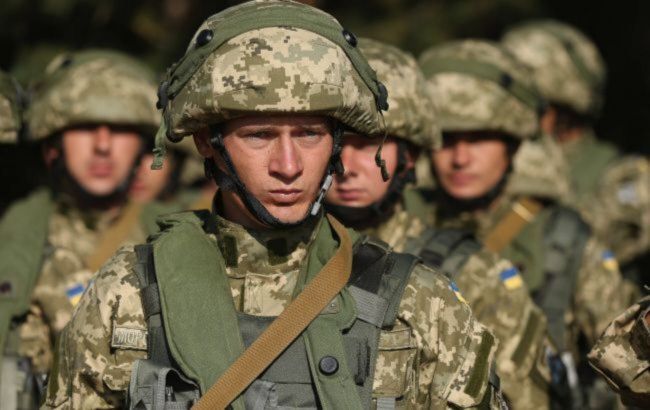
Peace talks between Ukraine and Russia appear to be stalled, with the U.S. shifting attention toward Iran and no clear mediator able to force a settlement. The article says the war has become a prolonged war of attrition, with neither side holding a decisive advantage and Europe preparing for a longer conflict. A prisoner swap of 193 soldiers on April 24 is the only notable near-term de-escalatory development.
The market implication is not a headline risk-off event so much as a duration shift: a frozen conflict keeps defense spend, ammunition demand, and industrial replenishment elevated for longer, while reducing the probability of a near-term diplomatic compression trade. That favors suppliers with multi-year order visibility and export exposure, but it also pushes governments toward budget tradeoffs that can crowd out discretionary spending later in the cycle.
The second-order effect is on European fiscal policy and energy security rather than on the battlefield directly. If the conflict stays unresolved for months, Europe likely has to finance both higher defense budgets and continued resilience spending, which supports defense primes and select infrastructure/logistics names but pressures rate-sensitive domestic sectors through wider deficits and persistent issuance.
The biggest market mistake is assuming stalemate is neutral. Prolongation increases the chance of episodic escalation, sanctions tightening, and intermittent supply disruptions in commodities, cyber, and transport corridors; those are higher-volatility catalysts with a 1-3 month horizon, not a 1-3 day trade. Conversely, any credible shift in U.S. mediation effort or a sudden battlefield inflection would compress defense multiples quickly because the market is already pricing a drawn-out status quo.
Contrarian view: the consensus may be underestimating how expensive a long war is for Europe’s political center. As fiscal fatigue builds, the medium-term winner may be populist pressure for negotiated settlement even without a formal breakthrough, which would eventually cap defense outperformance and steepen the divergence between near-term beneficiaries and longer-duration beneficiaries.
AI-powered research, real-time alerts, and portfolio analytics for institutional investors.
Request DemoOverall Sentiment
moderately negative
Sentiment Score
-0.35
Ticker Sentiment
