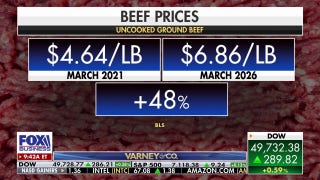
The DOJ is reportedly pursuing a criminal antitrust investigation into major U.S. beef processors, including Tyson Foods, Cargill, JBS and National Beef, following complaints about cattle pricing and consumer beef inflation. Beef and veal prices are up 12.1% over the past year, with ground beef up 11% and beef steaks up 15.2%, as cattle supply sits at a 70-year low. The probe adds legal and regulatory overhang to the sector already strained by drought-driven herd liquidation and rising input costs.
The immediate market read is not “higher beef prices” but a squeeze on processor optionality. A criminal antitrust probe raises the probability of discovery requests, management distraction, and eventual remedies that could impair procurement flexibility before any fine is assessed; that matters more for margin durability than the headline legal overhang. TSN is likely more exposed than the market assumes because the business is already fighting commodity input volatility, so any constraint on pricing mechanics or cattle sourcing can compress spread economics quickly.
Second-order effects cut both ways: ranchers and upstream feeders may gain negotiating leverage if benchmark-setting practices are chilled, but that benefit is likely temporary if herd rebuilding stays constrained by drought and high replacement costs. In other words, antitrust pressure may reallocate economics within the chain rather than create new supply, leaving end-demand the only true offset. That keeps the inflation impulse sticky for consumers and reduces the odds of a fast volume recovery for processors, especially if retail prices remain elevated into grilling season.
For JBS, the U.S. probe is more meaningful as a governance and discount-rate issue than as a near-term earnings issue. The market may underprice the tail risk that a criminal case or settlement forces structural changes in contracting and procurement across North American operations, which could bleed into multiple jurisdictions and increase the “foreign-owned meatpacker” political premium. If authorities become aggressive, the broader packaged-protein space could see a rerating toward lower regulatory multiples, not just a one-off legal charge.
The contrarian angle is that this is not necessarily bullish for beef consumption unless supply loosens materially, which is a multi-quarter to multi-year process. If the investigation ultimately narrows to process rather than collusion, the stocks could rebound on relief while consumer prices stay high, making the legal headline a tradable but not necessarily fundamental earnings catalyst. The bigger macro risk is that persistent beef inflation keeps feeding into CPI optics, inviting broader political scrutiny of food processors and retailers beyond this case.
AI-powered research, real-time alerts, and portfolio analytics for institutional investors.
Request TrialOverall Sentiment
moderately negative
Sentiment Score
-0.20
Ticker Sentiment
