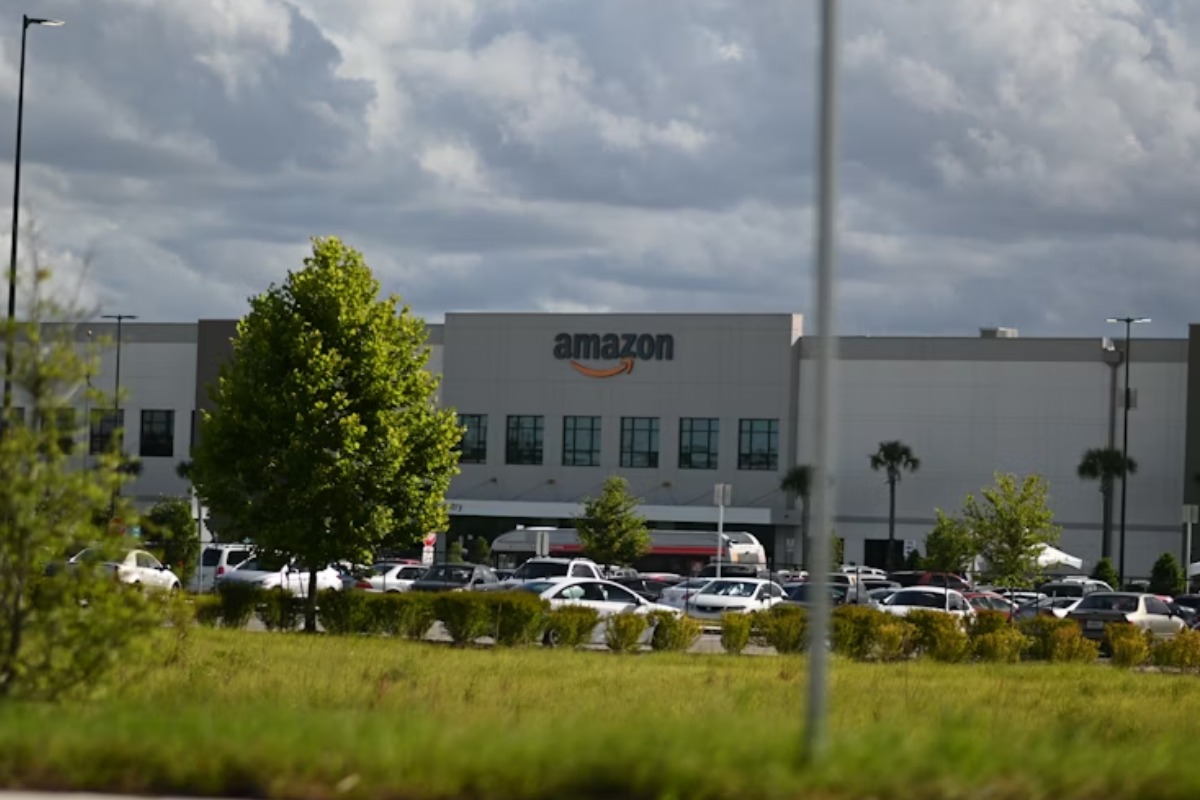
Amazon has launched a national GLP-1 Management Program through One Medical and Amazon Pharmacy, bundling prescriptions, primary care, lab work, and deliveries, with cash prices cited at about $149/month for some oral drugs and around $299/month for certain injectables. The rollout could improve refill convenience and same-day access in nearly 3,000 cities, but it may divert prescriptions from independent and chain pharmacies and intensify competition after Walmart’s similar launch. The main market effect is likely on pharmacy and telehealth competition rather than broader markets.
Amazon is not really selling GLP-1s; it is using a high-friction chronic-care category to pull prescription volume, pharmacy spend, and repeat engagement into a single checkout flow. The strategic edge is retention: once a patient’s medication, follow-up, and fulfillment are bundled, switching costs rise and Amazon can monetize the full care journey while compressing the wallet share of local pharmacies and fragmented telehealth intermediaries.
The second-order winner is Amazon’s logistics and healthcare software stack, not just its pharmacy margin. If refill cadence becomes predictable and centralized, Amazon gets better utilization of same-day delivery density and more data on adherence, which can be repurposed across other recurring therapies. For competitors, the pressure is asymmetric: independents lose the highest-frequency traffic, while chains face a mix of lower script economics and weaker ancillary basket attachment, making this more damaging to neighborhood pharmacy P&Ls than to national retailers with diversified front-end sales.
The main risk is operational rather than demand-related: GLP-1 economics only work if monitoring quality holds up and payer rules don’t create friction at renewal. Any cluster of adverse events, prior-auth failures, or clinician dissatisfaction would slow adoption over the next 1-3 quarters and shift the narrative from convenience to safety. Over a 12-24 month horizon, however, the bigger catalyst is expansion of distribution endpoints; if Amazon proves it can scale beyond One Medical and into broader payer-linked workflows, this becomes a platform play rather than a product launch.
Consensus is likely underestimating how much of the value pool sits in refill management, not drug dispensing. The market may also be overfocusing on headline GLP-1 demand while missing that the real competitive moat is recurring patient ownership and routing prescriptions through Amazon’s fulfillment rails. Walmart’s move validates category growth, but it also suggests the space may quickly commoditize on price, forcing the winner to be the operator with the best logistics and longitudinal care integration.
AI-powered research, real-time alerts, and portfolio analytics for institutional investors.
Request TrialOverall Sentiment
neutral
Sentiment Score
0.15
Ticker Sentiment
