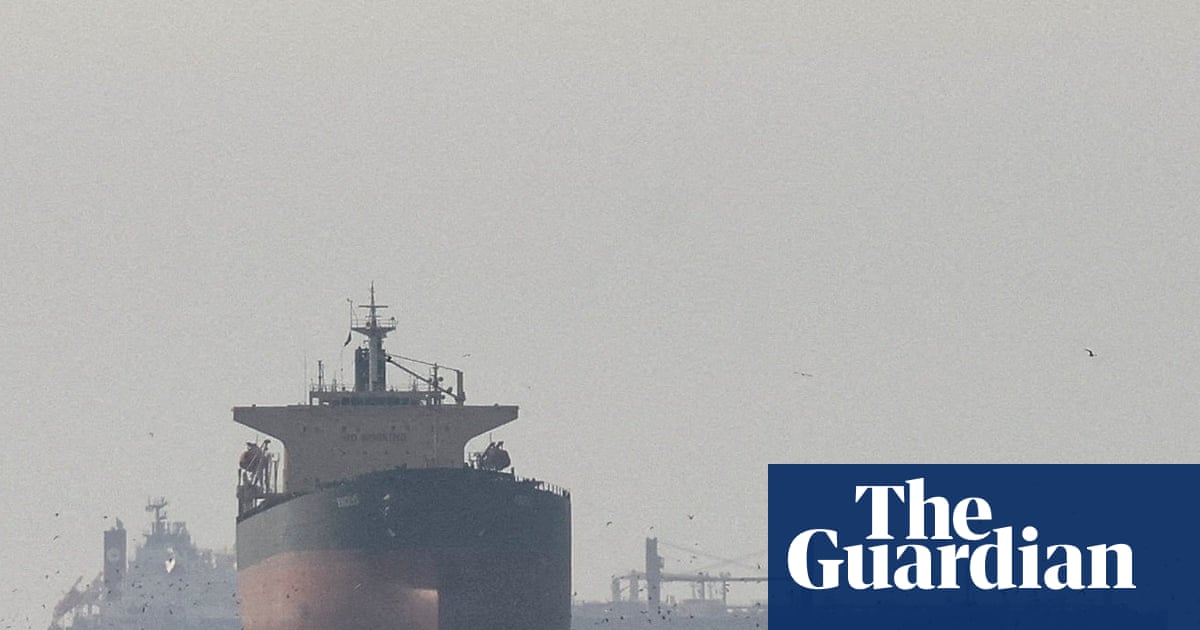
Iran has effectively closed the Strait of Hormuz, which conveys about 20% of global oil, sending Brent crude up 1.8% to $104.98/bbl. Japan and Australia declined US requests to dispatch warships and no coalition has committed; Japan has started releasing 15 days of private-sector reserves plus one month of state-held oil, leaving global energy supplies and trade flows at high risk and markets volatile.
The immediate market reaction understates the structural hit to maritime logistics: sustained disruption in a choke-point raises unit shipping costs (freight + war-risk premiums) more than commodity margins for at least one shipping season, creating a multi-month arbitrage where owners of large tankers and storage capacity capture outsized cash flow while refiners and trade-dependent manufacturers see margin compression. Expect war-risk insurance on Gulf transits to surge and stay elevated until a durable security architecture is visible — insurers and brokers reprice risk over 3–9 months, not days, so premium revenue can outpace claims in the near term.
Substitution of physical oil flows is capacity-constrained. Overland pipelines, alternate maritime routings and SPR releases can blunt peak price spikes but require time or political coordination; incremental supply response from non-Gulf producers has ~3–9 month lead times (drilling, shipping reallocations), so the most probable path is a protracted premium rather than a sharp snapback. That dynamic favors entities that monetize time (storage, long-duration freight charters, options sellers hedging forward curves) and penalizes short-duration, cash-flow-sensitive industrials.
Geopolitical signaling matters as a catalyst: a credible multinational convoy or rapid diplomatic de-escalation would unwind the bulk of the risk premium within days, but the probability of that before major economic pain (inflation readings, consumer gas prices) is limited. Conversely, incremental US-centric military responses increase the likelihood of longer sanctions and re-routing, boosting defense procurement and insurance revenues on a 6–18 month horizon while raising recession risk for energy-importing economies; monitor coalition formation and coordinated SPR policy as primary reversal triggers.
AI-powered research, real-time alerts, and portfolio analytics for institutional investors.
Request DemoOverall Sentiment
strongly negative
Sentiment Score
-0.80
